
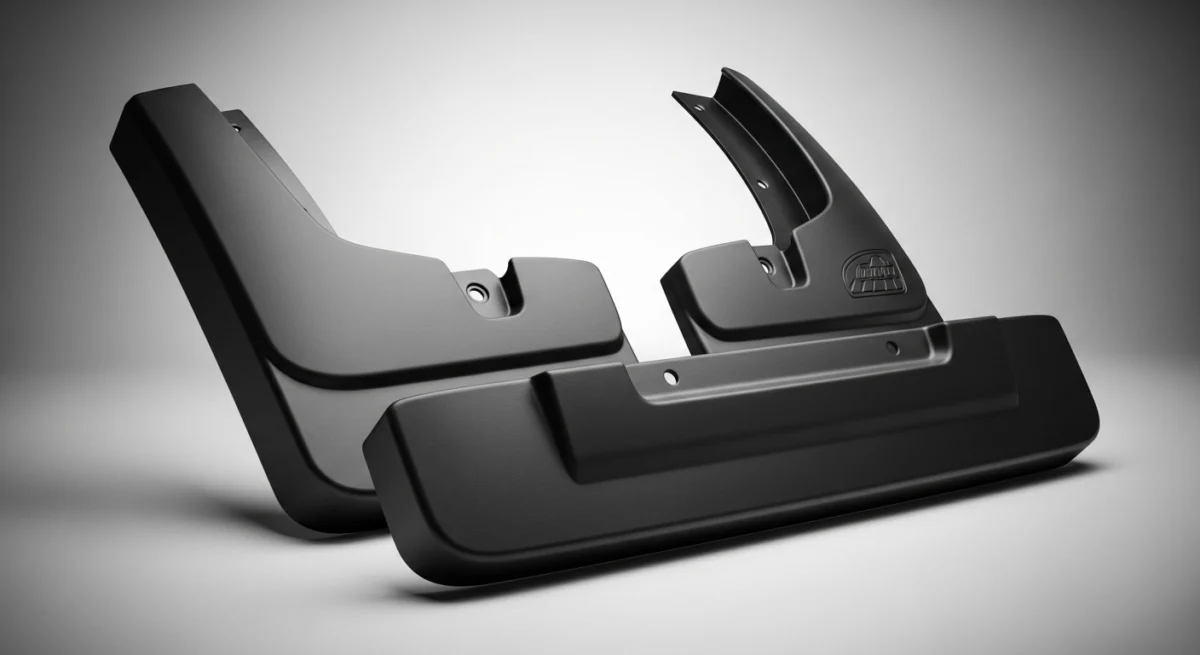
Rigid Mud Flaps: The Ultimate Guide to Protection and Performance
Tired of road spray turning your vehicle into a grimy mess? Fed up with chipped paint and rust caused by flying debris? You’re not alone. Millions of drivers face these issues daily, and the solution might be simpler – and more durable – than you think: rigid mud flaps. In this comprehensive guide, we’ll delve into the world of rigid mud flaps, exploring their benefits, installation nuances, and essential buying factors to help you make an informed decision and keep your vehicle looking its best.
What are Rigid Mud Flaps and How Do They Work?
Rigid mud flaps are vehicle accessories designed to protect your vehicle, other drivers, and the environment from road spray, rocks, mud, and other debris kicked up by your tires. Unlike their flexible counterparts, rigid mud flaps offer a more robust and durable barrier, minimizing flex and maximizing coverage.
Understanding the Mechanics
They work by creating a physical shield directly behind the tires. As the wheels spin, they inevitably fling up water, gravel, and other road contaminants. Rigid mud flaps, being relatively inflexible, effectively deflect this material downwards and away from the vehicle. This prevents damage to the vehicle’s paint, undercarriage, and even reduces the risk of cracked windshields for vehicles following behind.
The rigid nature of these flaps means they maintain their shape better at higher speeds and in harsher conditions. This constant shape provides a more predictable and consistent level of protection compared to flexible mud flaps which can deform or become less effective under significant airflow.
Benefits and Key Features of Rigid Mud Flaps
Choosing rigid mud flaps over flexible options unlocks a suite of advantages.
Superior Protection
The most significant benefit is enhanced protection. Rigid mud flaps shield your vehicle from:
- Stone chips: Protecting the paint on the rocker panels and lower doors.
- Rust: Preventing water and salt from accumulating in hard-to-reach areas of the undercarriage.
- Road spray: Improving visibility for following drivers, especially in wet conditions.
- Paint damage: Reducing scratches and blemishes caused by flying debris.
Enhanced Durability
Rigid mud flaps are typically made from materials like heavy-duty rubber, polyethylene, or polypropylene. These materials are designed to withstand extreme temperatures, UV exposure, and the constant bombardment of road debris. Their rigid construction also means they are less susceptible to tearing or deformation compared to flexible flaps.
Improved Aesthetics
While functionality is paramount, rigid mud flaps can also enhance the look of your vehicle. Many manufacturers offer a variety of styles, finishes, and even custom designs to complement your vehicle’s aesthetics. Some models even feature integrated lighting or branding.
Reduced Vibration and Noise
Because rigid mud flaps do not flex excessively at speed, they produce less wind noise and vibration compared to thinner, flexible flaps. This can contribute to a more comfortable driving experience, particularly on long journeys.
Compliance with Regulations
In some jurisdictions, mud flaps are mandatory, particularly for commercial vehicles and large trucks. Installing rigid mud flaps that meet the required size and coverage specifications can help you stay compliant with local regulations.
Installation Tips for Rigid Mud Flaps

Installing rigid mud flaps is usually a straightforward process, often achievable with basic tools and a bit of patience. However, proper installation is crucial for ensuring optimal performance and longevity.
Gathering Your Tools
You’ll generally need:
- A socket set or wrench set.
- A drill (if new mounting holes are required).
- A screwdriver (Phillips and flathead).
- A measuring tape.
- A marker or pencil.
- Safety glasses.
- Potentially a helper.
Step-by-Step Installation
1. Read the Instructions: Always start by carefully reading the manufacturer’s instructions specific to your mud flap kit. 2. Position the Mud Flap: Hold the mud flap in place against the fender well, aligning it according to the instructions. Mark the location of the existing mounting holes (if any). 3. Drilling (if needed): If new mounting holes are required, use a drill to create pilot holes. Ensure you’re drilling into a secure part of the fender well and avoid any wiring or brake lines. 4. Mounting the Mud Flap: Using the provided hardware, securely fasten the mud flap to the fender well. Ensure the mud flap is flush against the fender and tightened properly. 5. Repeat for Remaining Flaps: Repeat the process for the other three mud flaps. 6. Check for Clearance: Once installed, check that the mud flaps don’t interfere with the tires at full steering lock or suspension compression.
Professional Installation
If you’re uncomfortable performing the installation yourself, consider having a professional mechanic or auto body shop install the mud flaps. They have the expertise and tools to ensure a proper and secure installation.
Maintenance and Care of Rigid Mud Flaps
While rigid mud flaps are durable, they still require some basic maintenance to ensure they remain effective and visually appealing.
Regular Cleaning
Periodically wash your mud flaps with soap and water to remove accumulated dirt, mud, and road salt. This will prevent the buildup of grime that can degrade the material over time.
Inspection for Damage
Regularly inspect your mud flaps for cracks, tears, or other damage. Address any issues promptly to prevent further deterioration. Small cracks can sometimes be repaired with specialized adhesives designed for plastics or rubber.
Hardware Check
Periodically check the mounting hardware (bolts, screws, etc.) to ensure they are still tight and secure. Loose hardware can cause the mud flaps to vibrate or even detach.
UV Protection
If your rigid mud flaps are made of plastic, consider applying a UV protectant spray periodically. This will help prevent fading and cracking caused by prolonged exposure to sunlight.
Top Buying Factors for Rigid Mud Flaps

Choosing the right rigid mud flaps involves considering several factors to ensure you get the best fit and performance for your vehicle.
Material 材质
- Rubber: Durable, flexible, and resistant to tearing.
- Polyethylene (PE): Lightweight, impact-resistant, and affordable.
- Polypropylene (PP): Stiff, chemical-resistant, and suitable for heavy-duty applications.
Size and Fit
Ensure the mud flaps are appropriately sized for your vehicle’s tire size and wheel well dimensions. Consult the manufacturer’s specifications or use a vehicle fitment guide to determine the correct size.
Style and Design
Choose a style that complements your vehicle’s aesthetics. Consider options with integrated lighting, logos, or custom designs.
Mounting Options
Determine whether the mud flaps utilize existing mounting points or require drilling new holes. Opt for a kit that includes all necessary hardware and instructions.
Price vs. Quality
While price is a factor, prioritize quality and durability. Investing in a higher-quality set of rigid mud flaps will likely save you money in the long run by preventing damage and lasting longer.
Brand Reputation ⭐
Choose mud flaps from reputable manufacturers known for producing high-quality products. Read reviews and compare different brands before making a purchase.
Essential FAQ
Q: Are rigid mud flaps universal, or do I need a specific fit for my vehicle? A: While some rigid mud flaps are advertised as universal, it’s always best to choose mud flaps specifically designed for your vehicle’s make, model, and year. This ensures a proper fit and optimal protection.
Q: Will rigid mud flaps affect my vehicle’s ground clearance? A: Rigid mud flaps can slightly reduce ground clearance, particularly if they are longer or extend lower than the factory mud flaps. Consider the terrain you typically drive on when choosing the length of your mud flaps.
Q: Are rigid mud flaps legal in all states? A: Mud flap regulations vary by state. Check your local laws to ensure compliance with size, height, and coverage requirements.
Q: Can I install rigid mud flaps myself, or do I need professional assistance? A: Many rigid mud flap kits are designed for DIY installation, but professional installation is recommended if you are not comfortable working on your vehicle or if the kit requires drilling new mounting holes.
Q: How long do rigid mud flaps typically last? A: The lifespan of rigid mud flaps depends on the material, driving conditions, and maintenance. High-quality mud flaps made from durable materials can last for several years with proper care.
Conclusion
Investing in rigid mud flaps is a smart decision for any vehicle owner looking to protect their investment from the elements and preserve its appearance. By considering the factors outlined in this guide, you can choose the right rigid mud flaps for your needs and enjoy years of reliable protection and enhanced aesthetics. Happy motoring!