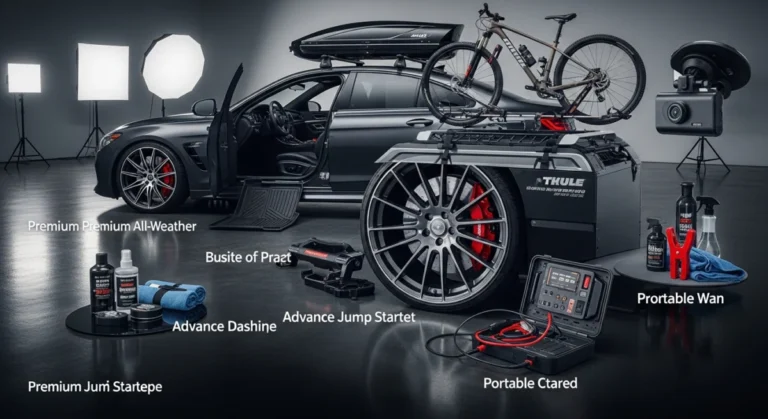
Roof box handling effects are a significant consideration for anyone looking to add extra cargo space to their vehicle. The convenience of carrying skis, camping gear, or luggage on your roof comes with noticeable changes in driving dynamics, fuel efficiency, and overall vehicle behavior. Let’s dive into the comprehensive effects you should be aware of.
Understanding Roof Box Handling Effects
A roof box, also known as a cargo carrier, is an enclosed container designed to be mounted on the roof of a vehicle to increase its storage capacity. They come in various shapes, sizes, and materials, and are typically attached to roof racks or crossbars. Understanding how they work is essential to anticipating their effects.
How a Roof Box Works
A roof box essentially creates a large aerodynamic appendage on top of your vehicle. This changes the vehicle’s center of gravity, increases wind resistance (drag coefficient), and adds weight. The airflow around the vehicle is disrupted, leading to increased turbulence and potential instability, especially at higher speeds. The design of the roof box significantly influences these effects; a more streamlined shape will offer better aerodynamics than a boxier one.
Benefits and Key Features of Roof Boxes
While handling effects are a concern, roof boxes provide numerous benefits that often outweigh the drawbacks for those needing extra space.
- Increased Cargo Capacity: The primary benefit is, of course, the extra space for luggage, sporting equipment, or other items.
- Weather Protection: Your belongings are safe from rain, snow, and road grime, keeping them clean and dry.
- Security: Most roof boxes come with locking mechanisms to deter theft.
- Organization: Keeps your vehicle’s interior clutter-free, improving passenger comfort.
- Versatility: Can be used for a variety of activities, from family vacations to ski trips.
Key features to look for include:
- Aerodynamic Design: Minimizes wind resistance and noise.
- Durable Construction: Made from strong, weather-resistant materials like ABS plastic or polypropylene.
- Easy Installation: A user-friendly mounting system simplifies attaching and detaching the box.
- Dual-Side Opening: Allows access from either side of the vehicle for easier loading and unloading.
- Internal Tie-Down Straps: Secure cargo and prevent it from shifting during transit.
- Size and Capacity: Choose a size that fits your vehicle and meets your storage needs.
- Weight Capacity: Ensure the roof box can handle the weight of your cargo, and that your roof rack and vehicle roof can also handle the combined weight.
Installation Tips for Minimizing Negative Handling Effects
Proper installation is crucial for safe and effective roof box usage and for minimizing potential handling issues.
- Follow the Manufacturer’s Instructions: Always adhere to the specific guidelines provided by the roof box and roof rack manufacturers.
- Secure the Roof Rack: Ensure your roof rack is properly installed and tightened according to its instructions. An improperly secured rack can detach, causing a serious accident.
- Center the Roof Box: Position the roof box as centrally as possible on the roof rack. Distributing the weight evenly minimizes the impact on the vehicle’s center of gravity.
- Tighten the Mounting Hardware: Double-check that all mounting hardware is securely fastened before each trip.
- Proper Weight Distribution: Distribute the weight of the cargo evenly within the roof box. Place heavier items in the center and towards the front of the box to prevent excessive rear-end sway.
- Consider Roof Rack Placement: Placing the roof rack bars further apart can sometimes improve stability and reduce noise, depending on the vehicle and rack design.
- Ensure Clearance: Check for adequate clearance between the roof box and the vehicle’s roof, antenna, and rear hatch.
Maintenance and Care for Optimal Performance
Proper maintenance ensures the longevity of your roof box and helps maintain its aerodynamic properties.
- Regular Cleaning: Wash the roof box regularly with mild soap and water to remove dirt, debris, and road grime.
- UV Protection: Apply a UV protectant to the roof box to prevent fading and cracking from sun exposure.
- Check Locking Mechanisms: Regularly lubricate and inspect the locking mechanisms to ensure they are functioning properly.
- Inspect Mounting Hardware: Check the mounting hardware for signs of wear or corrosion. Replace any damaged parts immediately.
- Proper Storage: Store the roof box in a clean, dry place when not in use. Consider using a storage cover to protect it from dust and scratches.
- Listen for Unusual Noises: Be attentive to any new or unusual noises during travel. These sounds could indicate issues that need addressing immediately.
- Inspect seals and weather stripping: Check for degradation and replace as needed to prevent water leakage.
Top Buying Factors Considering Handling
Choosing the right roof box involves considering factors that directly impact handling.
- Weight: Opt for a lightweight roof box to minimize the added weight on your vehicle’s roof. Heavier boxes contribute to a higher center of gravity and increased fuel consumption.
- Size and Shape: Select a roof box that is appropriately sized for your vehicle and cargo needs. Smaller, more streamlined boxes generally have less impact on handling. A longer box extending far beyond the windshield can significantly affect crosswind stability.
- Aerodynamics: Look for roof boxes with aerodynamic designs, such as tapered shapes and integrated spoilers, to reduce wind resistance and noise.
- Material: Consider the material of the roof box. Lighter, more rigid materials like reinforced ABS plastic can improve stability and reduce flex.
- Mounting System: Choose a roof box with a secure and easy-to-use mounting system that minimizes movement and vibration.
- Vehicle Compatibility: Ensure the roof box is compatible with your vehicle’s roof rack and load-bearing capacity. Overloading the roof can compromise handling and safety.
- Budget: Balance your needs with your budget. While more expensive roof boxes often offer better aerodynamics and features, there are also affordable options that can meet your basic requirements.
Essential FAQs
Here are some frequently asked questions about roof box handling effects:
1. Will a roof box significantly impact my fuel economy? Yes, a roof box will generally reduce fuel economy due to increased wind resistance. The impact can range from 5% to 25%, depending on the vehicle, speed, roof box design, and driving conditions. 2. How does a roof box affect handling in crosswinds? A roof box can make a vehicle more susceptible to crosswinds. The increased surface area acts like a sail, making the vehicle feel less stable, especially at higher speeds. 3. What is the maximum speed I can drive with a roof box? Always follow the manufacturer’s recommended speed limit for the roof box, which is typically around 75-80 mph. Exceeding this limit can compromise safety and damage the roof box. Check local laws as they may differ. 4. Does the weight of the cargo inside the roof box affect handling? Yes, the weight and distribution of the cargo significantly impact handling. Overloading the roof box or placing heavy items improperly can make the vehicle less stable and harder to control. 5. Can a roof box damage my vehicle’s roof? If not installed correctly, yes, a roof box can potentially damage your vehicle’s roof. Ensure the roof rack is properly installed and that the roof box is securely mounted and properly padded to prevent scratches or dents. Also be mindful of height restrictions for garages and underpasses.
Conclusion
While roof boxes offer a convenient way to increase cargo space, understanding their impact on handling is essential for safe and enjoyable travel. By considering the factors discussed above, installing the roof box properly, and maintaining it regularly, you can minimize the negative effects and maximize the benefits of this useful accessory. Always prioritize safety and drive cautiously when using a roof box.