Let’s face it: your car is more than just a stylish metal box. It’s a meticulously engineered machine where every exterior component plays a vital role in safety, performance, and overall usability. Think about it: 35,000+ traffic fatalities occur annually in the US, and while vehicle safety has improved dramatically, ensuring your vehicle’s exterior functionalities are in top shape is crucial. This guide delves into the intricate world of vehicle exterior functionality, providing you with the knowledge to understand, maintain, and even upgrade these critical components.
Vehicle Exterior Functionality: An Overview
Vehicle exterior functionality encompasses all the exterior components of a car that directly contribute to its safe operation, performance, and utility. These aren’t just aesthetic features; they’re engineered for specific tasks, ranging from providing visibility to protecting the vehicle’s structural integrity. From the humble windshield wiper to the sophisticated adaptive lighting system, these components work together to create a safer and more efficient driving experience.
What is it / How it works
Exterior functionality encompasses a broad range of parts, each with a specific purpose:
- Lighting: This includes headlights (low and high beams), taillights, brake lights, turn signals, fog lights, and daytime running lights (DRLs). Headlights provide illumination for nighttime driving, while taillights and brake lights signal your intentions to other drivers. Turn signals indicate directional changes, and fog lights enhance visibility in adverse weather. DRLs increase vehicle visibility during daylight hours. Many modern vehicles utilize LED (Light Emitting Diode) and HID (High-Intensity Discharge) lighting for improved brightness and energy efficiency. Adaptive lighting systems, a more advanced technology, adjust the beam pattern based on steering angle and vehicle speed, further enhancing visibility.
- Wipers and Washers: Windshield wipers clear rain, snow, and debris from the windshield, while the washer system sprays cleaning fluid to remove dirt and grime. A small electric pump forces fluid through nozzles onto the windshield. Wiper blades are typically made of rubber and are designed to maintain consistent contact with the glass.
- Mirrors: Side mirrors and the rearview mirror provide crucial visibility of the surroundings. Side mirrors are often electrically adjustable and may include features like blind spot monitoring. Some rearview mirrors have auto-dimming capabilities to reduce glare from headlights.
- Door Handles and Locking Mechanisms: Door handles provide access to the vehicle’s interior. Modern vehicles increasingly feature keyless entry systems, which use remote key fobs or smartphone apps to unlock the doors. Locking mechanisms secure the doors and protect the vehicle from theft.
- Bumpers: Bumpers are designed to absorb impact in low-speed collisions, protecting the vehicle’s structure and occupants. They are typically made of plastic or reinforced materials and are mounted on energy-absorbing brackets.
- Glass (Windshield, Windows): The windshield provides a clear view of the road and protects occupants from wind, rain, and debris. Side and rear windows offer visibility and can be tinted to reduce glare and heat. Windshields are laminated for safety, preventing shattering in the event of an impact.
- Sunroof/Moonroof: These provide natural light and ventilation. Sunroofs typically slide open, while moonroofs are made of tinted glass and may tilt or slide.
- Antenna: Receives radio signals for the car’s audio system. Newer vehicles use integrated antenna systems built into the glass or body panels.
Benefits and Key Features
Each of these components offers distinct benefits:
- Enhanced Safety: Functional lighting, wipers, and mirrors drastically improve visibility, reducing the risk of accidents. Properly functioning brakes lights are critical for avoiding rear-end collisions.
- Improved Convenience: Features like keyless entry, power windows, and sunroofs enhance the overall driving experience and make the vehicle more convenient to use.
- Increased Security: Secure door locking mechanisms protect the vehicle from theft and vandalism. Alarm systems integrated with door locks add an extra layer of security.
- Damage Protection: Bumpers absorb impact in low-speed collisions, minimizing damage to the vehicle’s body.
- Aerodynamic Efficiency: The overall design of exterior components, including mirrors and body panels, contributes to the vehicle’s aerodynamic efficiency, improving fuel economy.
Installation Tips (if applicable)
While some exterior functionality repairs are best left to professionals, some components can be installed or replaced DIY. Here are some tips:
- Wiper Blades: Replacing wiper blades is a straightforward task. Ensure you purchase the correct size for your vehicle. Refer to your owner’s manual or use an online tool to find the appropriate blade length.
- Bulb Replacement: Replacing headlight or taillight bulbs is another common DIY repair. Disconnect the battery before starting. Consult your owner’s manual for the correct bulb type and replacement procedure. Be careful not to touch the glass of halogen bulbs with your bare hands.
- Mirror Replacement: Replacing a broken side mirror can be more complex, especially if it’s electrically adjustable or heated. Disconnecting the wiring harness carefully is critical.
- Aftermarket Lighting: When installing aftermarket lighting, such as fog lights or auxiliary lights, ensure they are properly wired and mounted. Follow the manufacturer’s instructions carefully. Consider professional installation if you lack electrical experience. Always check local regulations regarding the legality of aftermarket lighting.
Warning: Always disconnect the negative terminal of your car battery before working on any electrical components.
Maintenance and Care
Regular maintenance is crucial to ensure the proper functioning of exterior components:
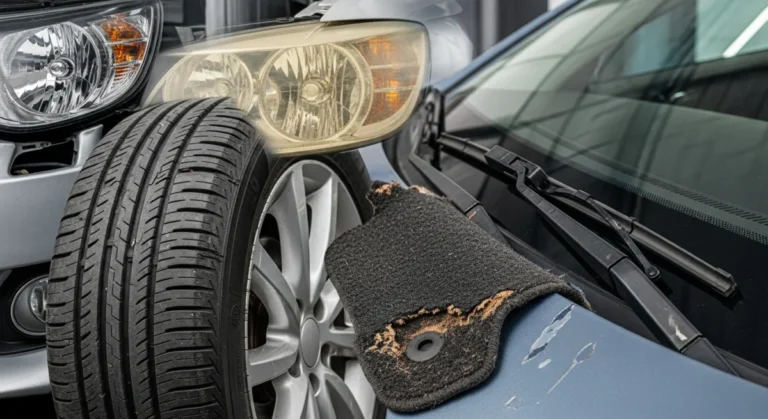
- Wiper Blades: Inspect wiper blades regularly for wear and tear. Replace them every 6-12 months, or sooner if they are streaking or chattering.
- Lighting: Check all lights regularly to ensure they are working properly. Replace burned-out bulbs immediately. Clean headlight lenses to improve visibility.
- Mirrors: Clean mirrors regularly to remove dirt and grime. Repair any cracks or damage promptly.
- Door Handles and Locks: Lubricate door hinges and locks periodically to prevent sticking. Address any issues with the keyless entry system promptly.
- Bumpers: Inspect bumpers for damage after any collision, even minor ones. Repair or replace damaged bumpers to maintain their protective function.
- Glass: Clean windows regularly with a glass cleaner. Repair any chips or cracks in the windshield as soon as possible to prevent them from spreading.
- Sunroof/Moonroof: Clean the sunroof/moonroof tracks regularly to prevent clogging and ensure smooth operation.
- Antenna: Check the antenna for damage and ensure it is securely mounted.
Top Buying Factors
When choosing replacement parts or upgrading exterior components, consider the following:
- Quality: Opt for high-quality components from reputable brands. Cheaper parts may fail prematurely or not perform as well.
- Compatibility: Ensure the part is compatible with your vehicle’s make, model, and year. Use online parts finders or consult with a parts specialist.
- Features: Consider the features offered by different components. For example, some headlight bulbs offer improved brightness or a longer lifespan.
- Price: Compare prices from different retailers to find the best deal. However, don’t sacrifice quality for price.
- Warranty: Check the warranty offered by the manufacturer. A longer warranty indicates greater confidence in the product’s quality.
- Reviews: Read online reviews to get feedback from other customers about the product’s performance and reliability.
Essential FAQ
*Q: How often should I replace my windshield wipers?*
A: Typically, every 6-12 months, but it depends on usage and environmental conditions. If you notice streaking, chattering, or reduced visibility, it’s time for a replacement.
*Q: Can I replace a cracked windshield myself?*
A: While possible, windshield replacement is generally best left to professionals. They have the tools and expertise to ensure a proper and safe installation, including proper sealing and adherence to safety standards.
*Q: What are the benefits of LED headlights over halogen bulbs?*
A: LED headlights are brighter, more energy-efficient, and have a longer lifespan than halogen bulbs. They also offer a cleaner, more modern look.
*Q: How can I prevent my car door locks from freezing in the winter?*
A: Use a lock lubricant specifically designed for automotive locks. Apply it before the onset of cold weather to prevent moisture from freezing inside the lock mechanism.
*Q: What should I do if my blind spot monitoring system is not working?*
A: First, clean the sensors located on the side mirrors or rear bumper. If the problem persists, have the system diagnosed by a qualified technician. The issue could be a faulty sensor, wiring problem, or software glitch.
Conclusion
Understanding and maintaining your vehicle’s exterior functionality is paramount for safety, convenience, and overall vehicle longevity. By paying attention to these essential components and following the tips outlined in this guide, you can ensure your vehicle is always performing at its best, keeping you and other drivers safe on the road. Don’t underestimate the power of a well-maintained car exterior – it’s a critical aspect of responsible vehicle ownership.