Floor mats: The silent guardians of your car’s interior, tirelessly battling dirt, grime, and the occasional spilled coffee. We often overlook them, but neglecting their maintenance can lead to a surprisingly grimy interior, premature wear, and even safety hazards. Did you know that a study showed that poorly maintained floor mats contribute to nearly 1 in 10 cases of pedal obstruction incidents? That’s why a proactive floor mat maintenance schedule isn’t just about aesthetics; it’s about preserving your vehicle’s value, ensuring your safety, and maintaining a clean, healthy driving environment. In this guide, we’ll delve into everything you need to know about keeping your floor mats in top condition.
Understanding Floor Mats and Their Importance
What Are Floor Mats?
Floor mats are protective coverings designed to shield your vehicle’s carpeting from dirt, water, spills, debris, and wear and tear. They come in a variety of materials, including rubber, carpet, vinyl, and even specialized materials like TPE (thermoplastic elastomer). Their primary function is to create a barrier, preventing damage to the underlying carpet and simplifying cleaning. Think of them as your first line of defense against the elements and the everyday mishaps of life.
How Floor Mats Work
Floor mats work by acting as a catch-all for anything that might otherwise end up embedded in your car’s carpeting. Rubber and vinyl mats, for example, are designed with raised edges and channels to trap liquids and prevent them from spreading. Carpeted mats, on the other hand, absorb moisture and trap dirt particles. The key is that these mats are removable, making it significantly easier to clean up messes than trying to extract them from the vehicle’s permanent carpeting. Proper floor mats, especially those designed specifically for your make and model, also include retention systems that prevent the mats from sliding under pedals, which is a critical safety feature.
Benefits and Key Features of Well-Maintained Floor Mats
Preservation of Vehicle Value
Protecting your car’s original carpeting is a smart investment. A clean, well-maintained interior significantly enhances your vehicle’s resale value. Potential buyers are more likely to offer a better price for a car that shows pride of ownership, and clean carpets are a clear indicator of that.
Enhanced Interior Aesthetics
Let’s face it: muddy, stained, or worn-out floor mats detract from the overall appearance of your car’s interior. Regular cleaning and maintenance keep your mats looking their best, contributing to a more pleasant and inviting driving experience.
Improved Safety
As mentioned earlier, loose or damaged floor mats can pose a serious safety risk. They can slide under pedals, obstructing your ability to accelerate or brake. Properly maintained and secured floor mats stay in place, ensuring unimpeded pedal operation.
Healthier Driving Environment
Floor mats can harbor allergens, bacteria, and mold, especially in damp or humid conditions. Regular cleaning removes these contaminants, creating a healthier and more hygienic environment for you and your passengers. This is especially important for individuals with allergies or respiratory sensitivities.
Reduced Wear and Tear
By absorbing the brunt of daily wear and tear, floor mats extend the lifespan of your car’s carpeting. This saves you money in the long run by postponing the need for costly carpet cleaning or replacement.
Maintaining and Caring for Your Floor Mats
Establishing a Maintenance Schedule
Creating a floor mat maintenance schedule is critical. How often you clean them depends on factors like driving conditions, climate, and how often you use your car. Here’s a suggested schedule:
- Weekly: A quick shake-out to remove loose dirt and debris.
- Bi-Weekly: Vacuuming to remove embedded dirt and dust.
- Monthly: A more thorough cleaning, including washing or scrubbing, depending on the material.
- Seasonally: A deep cleaning and inspection for wear and tear, especially before and after winter.
Cleaning Rubber and Vinyl Floor Mats
Cleaning rubber and vinyl mats is usually pretty straightforward:
1. Remove the mats: Take them out of the car. 2. Shake off loose debris: Give them a good shake to dislodge any loose dirt, rocks, or crumbs. 3. Rinse with water: Use a hose or bucket to rinse the mats thoroughly, removing any remaining loose debris. 4. Scrub with soap and water: Use a mild soap (dish soap works well) and a scrub brush to clean the mats. Pay attention to areas with heavy staining or dirt buildup. 5. Rinse thoroughly: Rinse the mats again to remove all traces of soap. 6. Dry completely: Allow the mats to air dry completely before placing them back in the car. You can also use a towel to speed up the drying process. Never place damp mats back in your vehicle, as this can lead to mold growth.
Cleaning Carpeted Floor Mats
Cleaning carpeted mats requires a slightly different approach:
1. Remove the mats: Just like with rubber mats, take them out of the car. 2. Vacuum thoroughly: Use a vacuum cleaner with a brush attachment to remove as much dirt and debris as possible. 3. Spot clean stains: Treat any stains with a carpet cleaner specifically designed for automotive use. Follow the product’s instructions carefully. 4. Wash with carpet cleaner (optional): If the mats are heavily soiled, you can wash them with a carpet cleaner and water. Use a brush to work the cleaner into the fibers. 5. Rinse (if washed): If you washed the mats, rinse them thoroughly with clean water to remove any remaining cleaner. 6. Extract excess water: Use a wet/dry vacuum to extract as much water as possible from the mats. 7. Dry completely: Allow the mats to air dry completely before placing them back in the car. You can also use a fan to speed up the drying process. Again, avoid placing damp mats back in the car.
Preventing Common Floor Mat Problems
- Salt stains: In regions with snowy winters, salt stains are a common problem. Rinse your mats frequently with water to prevent salt buildup. You can also use a salt stain remover specifically designed for carpets.
- Mold and mildew: To prevent mold and mildew growth, always ensure that your mats are completely dry before placing them back in the car. If you live in a humid climate, consider using a dehumidifier in your car.
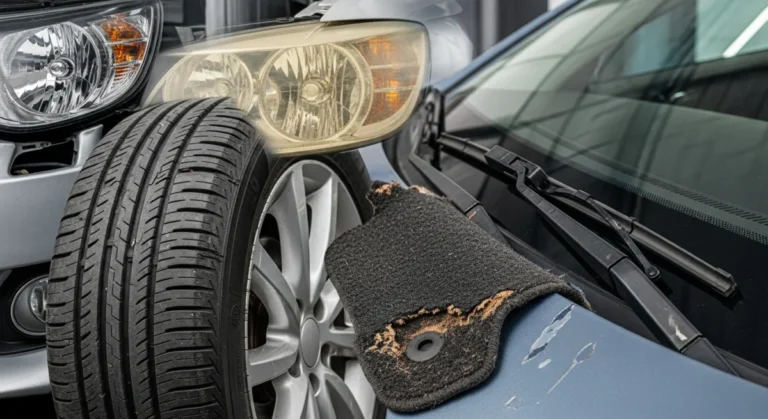
- Wear and tear: Inspect your mats regularly for signs of wear and tear, such as cracks, tears, or worn edges. Replace damaged mats immediately to prevent safety hazards.
Maintaining Floor Mat Retention Systems
Most modern floor mats have retention systems (clips, hooks, or Velcro) to keep them securely in place. Regularly inspect these systems to ensure they are functioning properly. Replace any broken or damaged clips or hooks. This is crucial for safety. Ensure that the retention system is compatible and engaged correctly with your vehicle’s floor.
Top Buying Factors for Floor Mats
Material
- Rubber: Durable, waterproof, and easy to clean. Ideal for heavy-duty use and wet climates.
- Carpet: Comfortable and aesthetically pleasing. Best for dry climates and light-duty use.
- Vinyl: Affordable and easy to clean. A good option for basic protection.
- TPE (Thermoplastic Elastomer): Offers a balance of durability, flexibility, and environmental friendliness. Often custom-fit for specific vehicles.
Fit
- Universal fit: Designed to fit a wide range of vehicles. Can be more affordable, but may not provide the best coverage or fit.
- Custom-fit: Designed specifically for your make and model. Offers the best coverage and protection. Usually more expensive, but well worth the investment.
Design
- Consider the style and color of your car’s interior when choosing floor mats. You want them to complement your vehicle’s aesthetic.
Features
- Raised edges: Helps to contain spills and prevent them from spreading.
- Channels: Helps to channel water and debris away from your feet.
- Retention systems: Ensures that the mats stay securely in place.
- Anti-slip backing: Prevents the mats from sliding around.
Brand and Reputation
- Choose a reputable brand known for producing high-quality floor mats. Read online reviews to get an idea of customer satisfaction.
Essential FAQ About Floor Mat Maintenance
Q: How often should I clean my floor mats?
A: At a minimum, you should shake out your floor mats weekly and vacuum them bi-weekly. A more thorough cleaning should be done monthly, with a deep cleaning seasonally.
Q: What’s the best way to remove salt stains from my car’s floor mats?
A: Rinse the mats with cold water to remove loose salt. For stubborn stains, use a salt stain remover specifically designed for carpets or a mixture of vinegar and water.
Q: Can I put my floor mats in the washing machine?
A: Only if the manufacturer specifically states that it is safe to do so. Check the care instructions on the mats. In general, it is best to hand wash floor mats.
Q: How can I prevent my floor mats from slipping under the pedals?
A: Make sure your floor mats have a properly functioning retention system and that it is engaged correctly. If your mats don’t have a retention system, consider replacing them with mats that do.
Q: What’s the best type of floor mat for winter weather?
A: Rubber or TPE floor mats with raised edges and channels are the best choice for winter weather, as they are waterproof and designed to trap snow, slush, and salt.
In conclusion, a consistent floor mat maintenance schedule is a relatively small investment of time that yields significant returns. By following the guidelines outlined above, you can keep your car’s interior clean, protected, and safe, ultimately preserving its value and enhancing your driving experience. So, get out there and give your floor mats the attention they deserve!