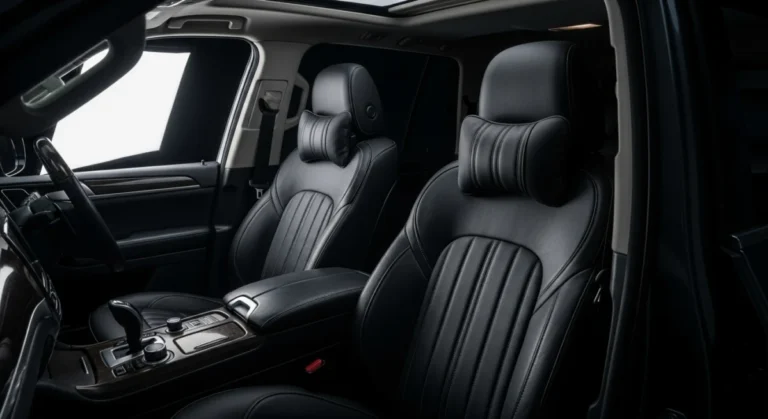
Seat covers: They’re the unsung heroes of vehicle interiors, protecting your seats from spills, stains, and the wear and tear of daily life. But what happens when those protectors start harboring unwelcome odors? Nobody wants to drive around in a car that smells like old gym socks or stale fast food. The good news is, with the right approach, you can effectively prevent and manage odors in your seat covers, keeping your vehicle smelling fresh and clean. Let’s dive into a comprehensive guide to seat cover odor prevention.
Understanding Seat Cover Odor: The What and How
Odor in seat covers isn’t some mysterious phenomenon; it’s a straightforward result of absorbed substances. These substances decompose, leading to unpleasant smells.
The Science Behind the Stink
At the most basic level, seat cover odor comes from microscopic particles—bacteria, mold, fungi, or decomposing organic matter—that get trapped in the fabric or material of the seat cover. These microbes thrive on moisture, spills (coffee, juice, etc.), sweat, pet dander, and food crumbs. As they break down these substances, they release volatile organic compounds (VOCs), which are the source of the offensive smells. Different materials react differently; some are more porous and absorbent, making them breeding grounds for odors, while others are more resistant.
Common Culprits of Car Seat Odors
Identifying the source of the odor is crucial for effective prevention. Here are some common offenders:
- Spilled Liquids: Coffee, soda, juice, milk, and other drinks can seep into the seat covers and create a sticky breeding ground for bacteria.
- Food Debris: Crumbs and food particles left behind by passengers (especially kids!) provide sustenance for odor-causing microbes.
- Sweat and Body Oils: Sweat, particularly during hot weather, can be absorbed by the seat covers, leading to a lingering musty or sour smell.
- Pet Dander and Hair: Furry friends can leave behind dander and hair, which trap odors and attract moisture.
- Mold and Mildew: Dampness, especially in vehicles parked outdoors or those with leaky seals, can lead to mold and mildew growth, producing a distinct musty odor.
- Smoking: Cigarette smoke permeates fabric and leaves a persistent, unpleasant odor.
- Vehicle Related Issues: Leaks in the car itself can lead to musty smells that become trapped in the seat covers.
Benefits and Key Features of Odor-Resistant Seat Covers
Choosing the right seat covers can significantly reduce the risk of odors developing in the first place.
Material Matters: Selecting Odor-Resistant Materials
The material of your seat cover is a primary determinant of its susceptibility to odors. Some materials are inherently more odor-resistant than others:
- Neoprene: This synthetic rubber is waterproof and resistant to spills, making it less likely to harbor odor-causing bacteria. It’s also relatively easy to clean.
- Leatherette (Faux Leather): Leatherette is non-porous, meaning liquids and spills are less likely to be absorbed. It’s easy to wipe clean, reducing the risk of odor buildup.
- Waterproof Fabrics: Seat covers made from waterproof or water-resistant fabrics prevent liquids from penetrating the material, thus limiting the growth of bacteria and mold.
- Polyester with Odor-Control Technology: Some polyester fabrics are treated with antimicrobial or odor-absorbing technologies that inhibit the growth of bacteria and neutralize odors.
- Canvas: While durable, canavas is prone to trapping moisture, so it’s not the best choice for odor prevention unless treated.
Key Features to Look For
Beyond the material, consider these features when choosing seat covers:
- Waterproof or Water-Resistant Coating: Provides an extra layer of protection against spills and moisture.
- Antimicrobial Treatment: Inhibits the growth of bacteria and mold, preventing odors from developing.
- Easy-to-Clean Surface: Smooth, non-porous surfaces make it easier to wipe away spills and stains before they can cause odors.
- Breathable Fabric: Allows air to circulate, reducing moisture buildup and preventing mold and mildew growth.
- UV Resistance: Prevents fading and degradation of the material, which can contribute to odors over time.
Installation Tips for Maximizing Odor Prevention
Proper installation ensures that your seat covers function optimally and helps prevent odors.
Ensuring a Snug and Secure Fit
- Follow the Manufacturer’s Instructions: Always refer to the manufacturer’s instructions for specific installation guidelines.
- Tighten Straps and Fasteners: Ensure that all straps, hooks, and fasteners are securely tightened to prevent the seat covers from shifting or bunching up.
- Smooth Out Wrinkles and Creases: Wrinkles and creases can trap moisture and debris, creating ideal conditions for odor-causing bacteria.
- Check for Gaps: Make sure there are no gaps between the seat covers and the seats, especially around the edges. These gaps can allow spills and debris to seep underneath.
Preventing Moisture Traps During Installation
- Ensure Seats are Dry: Before installing seat covers, ensure the seats are completely dry to prevent trapping moisture.
- Avoid Installing in Humid Conditions: Installing seat covers in humid conditions can trap moisture between the seat and the cover. Choose a dry day for installation.
- Use a Moisture Barrier (If Necessary): If you’re concerned about moisture buildup, consider using a thin moisture barrier, such as a waterproof liner, between the seat and the cover.
Maintenance and Care: Keeping Odors at Bay
Regular maintenance is crucial for preventing odors in your seat covers.
Regular Cleaning Routine
- Vacuum Regularly: Vacuum your seat covers at least once a week to remove loose dirt, crumbs, and pet hair. Use a crevice tool to reach tight spots and seams.
- Spot Clean Spills Immediately: Address spills as soon as they occur to prevent them from soaking into the fabric. Use a clean cloth to blot the spill, working from the outside in.
- Deep Clean Periodically: Deep clean your seat covers every few months, or more frequently if you notice stains or odors. Use a fabric cleaner appropriate for the material of your seat covers.
Cleaning Methods for Different Materials
- Neoprene: Use a mild soap and water solution. Rinse thoroughly and air dry.
- Leatherette: Wipe clean with a damp cloth and a mild cleaning solution. Avoid harsh chemicals or abrasive cleaners.
- Fabric Seat Covers: Use a fabric cleaner specifically designed for automotive interiors. Follow the manufacturer’s instructions carefully.
- Canvas: Spot clean with a mild soap and water solution. For more stubborn stains, consider using a fabric stain remover.
Airing Out and Deodorizing
- Air Out Regularly: On a sunny day, open your car windows and let the seat covers air out to remove trapped moisture and odors.
- Use Deodorizing Sprays: Use a fabric deodorizing spray to freshen up your seat covers. Choose a spray that is specifically designed for automotive interiors and that doesn’t leave a sticky residue.
- Baking Soda: Sprinkle baking soda on your seat covers, let it sit for a few hours, and then vacuum it up. Baking soda is a natural odor absorber.
- Activated Charcoal: Place activated charcoal bags or containers in your car to absorb odors.
Top Buying Factors: Choosing the Right Seat Cover
Choosing the right seat cover involves more than just aesthetics. Consider these factors to minimize odor potential.
Material and Durability
- Odor Resistance: Prioritize materials known for their odor-resistant properties, such as neoprene, leatherette, or polyester with odor-control technology.
- Durability: Choose a durable material that can withstand daily wear and tear. Durable materials are less likely to tear or fray, which can create crevices where odors can accumulate.
- Breathability: Opt for breathable fabrics that allow air to circulate, reducing moisture buildup.
Fit and Compatibility
- Vehicle Specific Fit: Choose seat covers that are designed specifically for your vehicle make and model. A snug, custom fit will prevent the seat covers from shifting and creating gaps where spills and debris can accumulate.
- Easy Installation: Select seat covers that are easy to install and remove. This will make it easier to clean them regularly.
- Compatibility with Seat Features: Ensure that the seat covers are compatible with your vehicle’s seat features, such as airbags, seat belts, and adjustable headrests.
Style and Aesthetics
- Color and Design: Choose seat covers that complement your vehicle’s interior.
- Personal Preference: Select seat covers that reflect your personal style and preferences.
Essential FAQs About Seat Cover Odor Prevention
Here are some frequently asked questions about seat cover odor prevention.
- Q: Can I use bleach to clean my seat covers?
- A: No, bleach is generally not recommended for cleaning seat covers, especially those made from fabric or leatherette. Bleach can damage the material, cause discoloration, and leave a harsh odor of its own. Always use cleaners specifically designed for automotive interiors.
- Q: How often should I clean my seat covers?
- A: Vacuum your seat covers weekly. Spot clean spills immediately. Deep clean every few months, or more often if you notice stains or odors.
- Q: Are all waterproof seat covers odor-resistant?
- A: While waterproof seat covers prevent liquids from soaking into the fabric, they may not be inherently odor-resistant. Look for seat covers that also have antimicrobial or odor-absorbing properties.
- Q: Can professional detailing remove odors from seat covers?
- A: Yes, professional detailing services often include deep cleaning and odor removal treatments for vehicle interiors, including seat covers. This can be a good option for persistent or difficult-to-remove odors.
- Q: What is the best way to remove pet odors from seat covers?
- A: Vacuum frequently to remove pet hair and dander. Use a pet-specific odor eliminator spray. Consider using seat covers made from pet-resistant materials, such as neoprene or leatherette.
Conclusion
Preventing odors in your seat covers is a multifaceted approach that involves selecting the right materials, installing them properly, maintaining a regular cleaning routine, and addressing spills and messes promptly. By following these tips, you can keep your vehicle’s interior smelling fresh and clean for years to come. Remember, the key is to be proactive and diligent in your maintenance efforts. Happy driving!