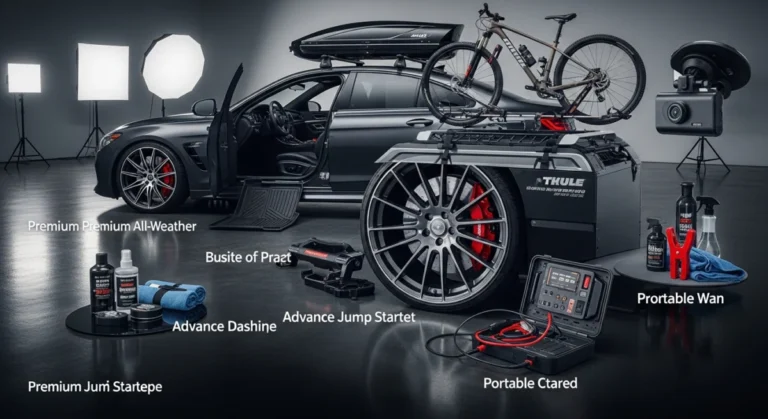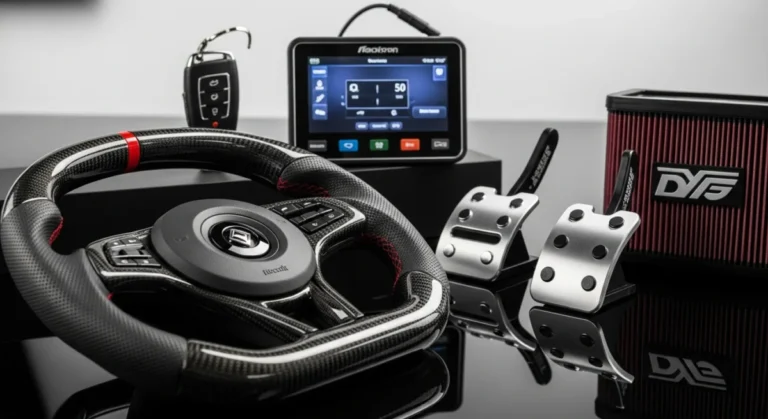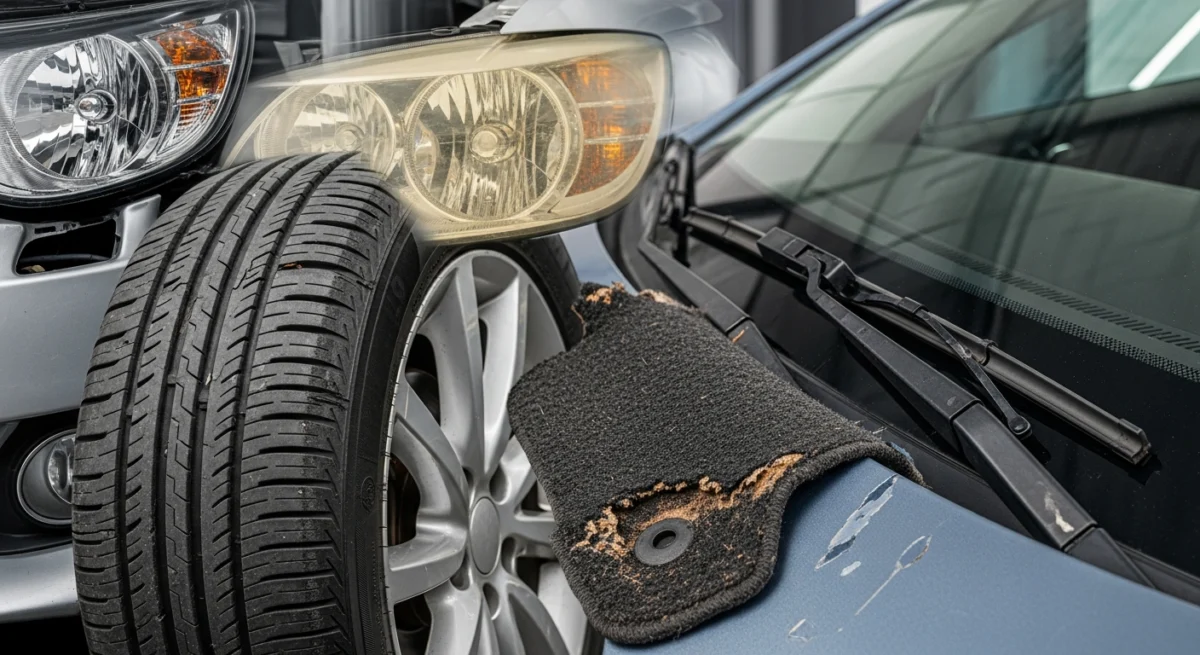
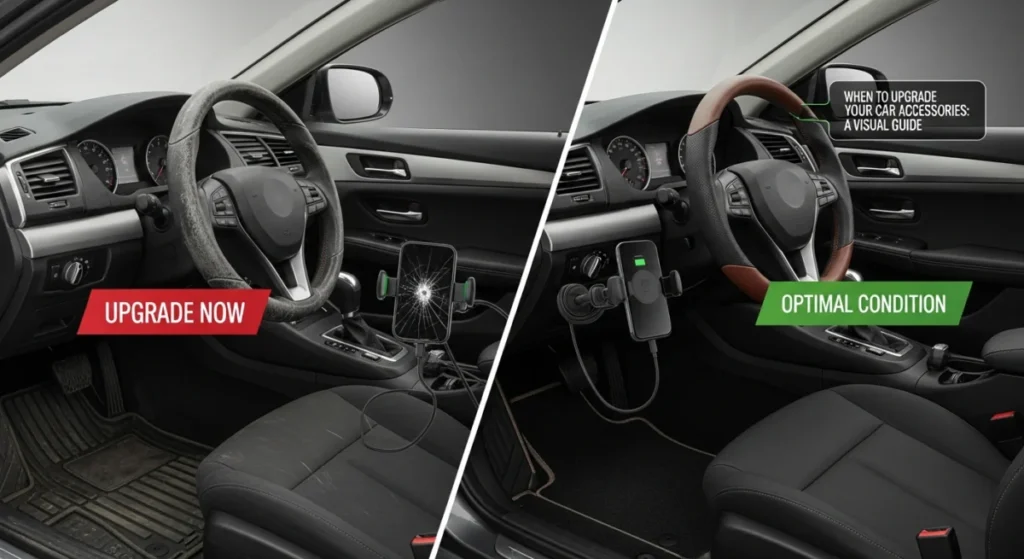
Car accessories, those little extras that can transform your driving experience from mundane to magnificent. But knowing when to upgrade them isn’t always straightforward. Are you constantly battling a blind spot, yearning for better sound, or just feeling like your ride is falling behind the times? You’re not alone. Studies show that over 60% of car owners consider upgrading at least one accessory within the first three years of ownership. But before you dive into the aftermarket abyss, let’s equip you with the knowledge to make smart, informed decisions. This guide will help you determine when it’s time to level up your car’s accessories, covering everything from practical safety enhancements to luxury upgrades.
When to Upgrade Car Accessories: A Comprehensive Guide
Upgrading your car accessories can significantly improve safety, comfort, performance, and even resale value. But knowing *when* to upgrade is as important as knowing *what* to upgrade. We’ll explore common accessories, focusing on their lifespan, warning signs of wear and tear, and the potential benefits of upgrading.
Audio Systems: Tuning Up Your Tunes
What is it / How it works
The car audio system typically consists of a head unit (radio/receiver), speakers, and sometimes an amplifier and subwoofer. The head unit receives audio signals (from radio, CD, Bluetooth, etc.) and sends them to the speakers via the amplifier. The speakers convert the electrical signals into audible sound waves.
Benefits and Key Features
- Improved sound quality: Modern speakers and amplifiers offer a clearer, more powerful audio experience.
- Enhanced connectivity: Bluetooth, Apple CarPlay, and Android Auto integration allow for seamless smartphone integration.
- Hands-free calling: Integrated microphones and voice control enhance safety while driving.
- Navigation: Some head units offer built-in GPS navigation.
Installation Tips (if applicable)
- Ensure you have the correct wiring harness adapter for your vehicle to avoid cutting factory wires.
- Consider professional installation if you’re not comfortable working with car electronics.
- Disconnect the battery before starting any electrical work.
Maintenance and Care
- Avoid turning the volume up too high, which can damage speakers.
- Clean the head unit screen with a microfiber cloth.
- Check speaker connections periodically for corrosion.
Top Buying Factors
- Wattage: Consider the RMS wattage for true power, not peak wattage.
- Impedance: Ensure the impedance of the speakers matches the amplifier’s output.
- Connectivity: Choose a head unit with the features you need (Bluetooth, Apple CarPlay, Android Auto).
- Speaker Sensitivity: Higher sensitivity speakers require less power.
- Budget: Set a realistic budget and compare features and performance within that range.
When to Upgrade:
- Sound distortion: If your speakers sound crackly, muffled, or distorted, it’s time to consider replacements.
- Lack of features: If your current system lacks essential features like Bluetooth or smartphone integration.
- System failure: If your head unit completely stops working.
- Desired sound quality: If you’re an audiophile looking for a significant improvement in sound quality.
- Age: If your system is more than 5-7 years old.
Dash Cams: Your Digital Witness
What is it / How it works
A dash cam is a small camera mounted on the dashboard or windshield that continuously records video while you’re driving. It captures footage of accidents, incidents, and even scenic drives.
Benefits and Key Features
- Accident documentation: Provides valuable evidence in case of an accident.
- Theft protection: Can record break-ins and vandalism.
- Peace of mind: Offers a sense of security and protection.
- Parking mode: Some dash cams record when the car is parked, detecting motion or impact.
- GPS logging: Records location and speed data.
Installation Tips (if applicable)
- Mount the dash cam securely to the windshield or dashboard.
- Conceal the power cable along the headliner and trim.
- Ensure the camera’s field of view is clear and unobstructed.
Maintenance and Care
- Regularly check the memory card and format it if needed.
- Clean the lens with a microfiber cloth.
- Update the firmware to ensure optimal performance.
Top Buying Factors
- Video resolution: Opt for at least 1080p for clear footage. 4K is even better.
- Field of view: A wider field of view captures more of the surrounding area.
- Night vision: Essential for recording clear footage in low-light conditions.
- Loop recording: Automatically overwrites old footage to maximize storage space.
- G-sensor: Detects impacts and saves the footage automatically.
When to Upgrade:
- Poor video quality: If the footage is blurry, grainy, or difficult to see.
- Lack of features: If your current dash cam lacks essential features like night vision or loop recording.
- Reliability issues: If the dash cam frequently malfunctions or stops recording.
- Desired features: If you want parking mode, GPS logging, or other advanced features.
- Age: If the dash cam is more than 3-5 years old, consider an upgrade for improved technology.
Car Seats: Safety First, Always
What is it / How it works
Car seats are designed to protect children during car accidents. They come in various types, including rear-facing, forward-facing, and booster seats, each designed for different age and weight ranges. They work by restraining the child and distributing the force of impact across a larger area of the body.
Benefits and Key Features
- Child safety: Significantly reduces the risk of injury or death in a car accident.
- Legal compliance: Required by law in most jurisdictions.
- Comfort: Provides a secure and comfortable seating position for children.
Installation Tips (if applicable)
- Follow the manufacturer’s instructions carefully.
- Use the LATCH system (Lower Anchors and Tethers for Children) or the seatbelt to secure the car seat.
- Ensure the car seat is properly installed and doesn’t move more than one inch in any direction.
- Consider a professional car seat installation check.
Maintenance and Care
- Clean the car seat regularly with mild soap and water.
- Avoid using harsh chemicals or bleach.
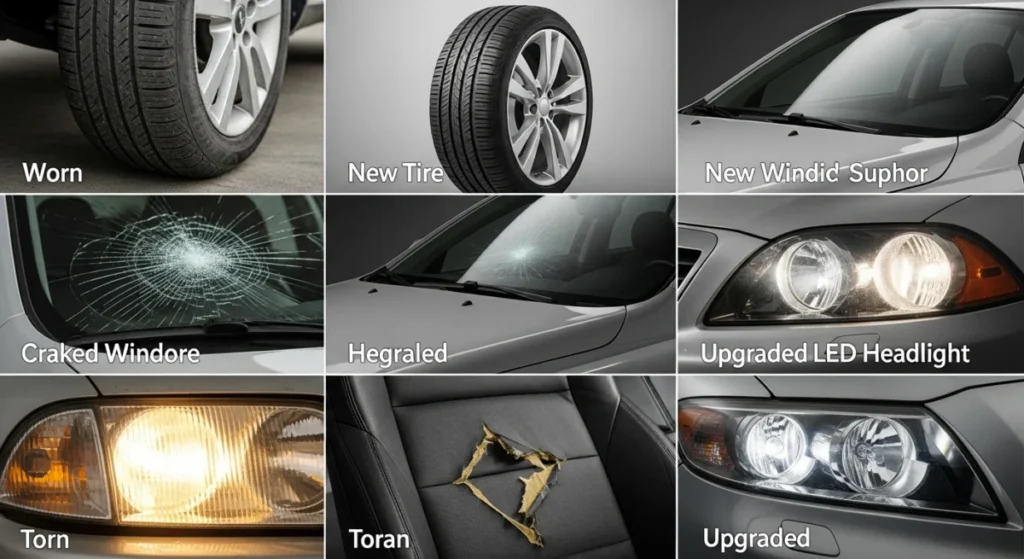
- Check the car seat for damage or wear and tear.
Top Buying Factors
- Safety ratings: Choose a car seat with high safety ratings from independent organizations.
- Weight and height limits: Ensure the car seat is appropriate for your child’s size.
- Ease of installation: Choose a car seat that is easy to install correctly.
- Comfort: Look for features like padded seats and adjustable headrests.
- Fabric: Choose a breathable, easy-to-clean fabric.
When to Upgrade:
- Child outgrows the seat: When your child exceeds the weight or height limits of the car seat.
- Expiration date: Car seats have expiration dates; do not use an expired car seat.
- Accident: Replace the car seat after any car accident, even if there is no visible damage.
- Damaged seat: Replace the car seat if it is damaged or shows signs of wear and tear.
- Newer safety features: Upgrade to a car seat with newer safety features, such as side-impact protection.
Backup Cameras: Eyes in the Back of Your Head
What is it / How it works
A backup camera is a camera mounted on the rear of the vehicle that displays a live video feed on a screen inside the car, helping drivers see what’s behind them when backing up.
Benefits and Key Features
- Improved safety: Reduces the risk of backing up into objects or people.
- Enhanced visibility: Provides a clear view of the area behind the vehicle.
- Parking assistance: Helps drivers park more easily and accurately.
Installation Tips (if applicable)
- Mount the camera securely to the rear of the vehicle.
- Run the wiring harness to the monitor inside the car.
- Connect the camera to the reverse light circuit so it activates when the car is in reverse.
Maintenance and Care
- Clean the camera lens regularly to ensure clear visibility.
- Protect the camera from damage.
Top Buying Factors
- Image resolution: Choose a camera with high resolution for clear image quality.
- Field of view: A wider field of view provides a more comprehensive view of the area behind the vehicle.
- Night vision: Essential for backing up in low-light conditions.
- Wireless vs. Wired: Wireless options offer easier installation, but wired connections are more reliable.
- Monitor Size: Ensure the monitor is large enough to provide a clear view.
When to Upgrade:
- Poor image quality: If the image is blurry, distorted, or difficult to see.
- Camera failure: If the camera stops working altogether.
- Limited features: If you want features like parking guidelines or adjustable viewing angles.
- Technological advancements: Upgrading to a newer model can offer better image quality, wider viewing angles, and improved night vision.
- Age: Consider upgrading if your camera is more than 5 years old.
Performance Chips: Unleash the Potential
What is it / How it works
Performance chips (or programmers) are electronic devices that plug into your car’s onboard computer (ECU) and modify the engine’s parameters, such as fuel injection, ignition timing, and turbo boost, to improve performance.
Benefits and Key Features
- Increased horsepower and torque: Performance chips can significantly increase engine power.
- Improved fuel economy: Some chips can optimize fuel efficiency.
- Customizable settings: Many chips allow you to adjust the settings to match your driving style.
Installation Tips (if applicable)
- Follow the manufacturer’s instructions carefully.
- Ensure the chip is compatible with your vehicle’s make and model.
- Consider professional installation if you’re not comfortable working with car electronics.
Maintenance and Care
- No specific maintenance is required, but monitor your engine’s performance after installation.
- Use caution when adjusting settings, as incorrect settings can damage your engine.
Top Buying Factors
- Compatibility: Ensure the chip is compatible with your vehicle’s make, model, and engine type.
- Reputation: Choose a reputable brand with positive reviews.
- Features: Consider the features offered, such as horsepower gains, fuel economy improvements, and customizable settings.
- Ease of Use: Opt for a chip with user-friendly interface and clear instructions.
When to Upgrade:
- Desire for more power: If you want to increase your car’s horsepower and torque.
- Improved fuel economy: If you’re looking to optimize fuel efficiency.
- Customization: If you want to fine-tune your engine’s performance.
- Outdated chip: If your current performance chip is outdated or no longer supported by the manufacturer.
- Technological advancements: New chips often offer better performance and more features than older models.
Essential FAQ
Q: How often should I replace my windshield wipers?
A: Typically, windshield wipers should be replaced every 6-12 months, or sooner if you notice streaking, skipping, or chattering.
Q: Are aftermarket headlights legal?
A: Aftermarket headlights are legal if they meet DOT (Department of Transportation) standards and don’t produce excessive glare. Ensure they’re properly aimed to avoid blinding other drivers.
Q: Can upgrading my exhaust system void my warranty?
A: An aftermarket exhaust system typically won’t void your entire warranty, but it could void the warranty on related components if the aftermarket part causes a problem. Consult your warranty documentation or dealer for clarification.
Q: Is it worth upgrading my car’s suspension?
A: Upgrading your suspension can significantly improve handling, ride comfort, and overall driving experience. It’s worth considering if you prioritize performance or frequently drive on rough roads.
Q: How can I protect my car’s leather seats?
A: Regularly clean and condition your leather seats with a leather-specific cleaner and conditioner. Avoid parking in direct sunlight and use a sunshade to prevent fading and cracking.
Conclusion
Upgrading car accessories is a personal decision, driven by factors like budget, needs, and desires. By carefully considering the lifespan of your current accessories, monitoring for signs of wear and tear, and understanding the potential benefits of upgrading, you can make informed decisions that enhance your driving experience. Remember to prioritize safety, choose reputable brands, and follow installation and maintenance guidelines to ensure optimal performance and longevity. Happy driving!