Vehicle Interior Protection: A Comprehensive Guide to Keeping Your Car Looking New
The interior of your vehicle is a second home, a mobile office, a family dining room on road trips, and a sanctuary from the elements. Considering the amount of time we spend in our cars, trucks, and SUVs, it’s no surprise that vehicle interiors are subjected to a daily barrage of wear and tear. From muddy boots and spilled coffee to relentless UV rays and shedding pets, the challenges are endless. Did you know that the average car loses 10% of its resale value each year, and a significant portion of that depreciation is attributed to interior damage? Investing in proper vehicle interior protection isn’t just about aesthetics; it’s about preserving your investment and ensuring a more enjoyable driving experience. This comprehensive guide will delve into the various methods and products available to safeguard your car’s interior, offering expert advice to help you make informed decisions and keep your vehicle looking its best for years to come.
Understanding Vehicle Interior Protection
Vehicle interior protection encompasses a range of strategies and products designed to shield the various surfaces within your car from damage, stains, fading, and general wear. It’s a proactive approach that addresses common problems like:
- Sun damage to dashboards and seats
- Stains from food, drinks, and other spills
- Wear and tear on upholstery from daily use
- Damage from pets (scratches, fur, etc.)
- Odors from smoke, spills, and other sources
The key to effective interior protection is a multi-faceted approach that combines preventative measures with regular maintenance.
How It Works
The science behind vehicle interior protection is relatively straightforward. Protective products create a barrier between the original surface and the elements that cause damage. For example, seat covers provide a physical shield against spills and abrasion, while UV protectants absorb harmful ultraviolet radiation before it can fade or crack dashboards and upholstery. Floor mats and liners trap dirt, mud, and water, preventing them from reaching the carpet and causing stains or mold growth. Specialized cleaners and conditioners help to maintain the integrity of interior surfaces, keeping them supple and resistant to damage. The most effective systems incorporate a combination of products and practices tailored to the specific needs of your vehicle and lifestyle.
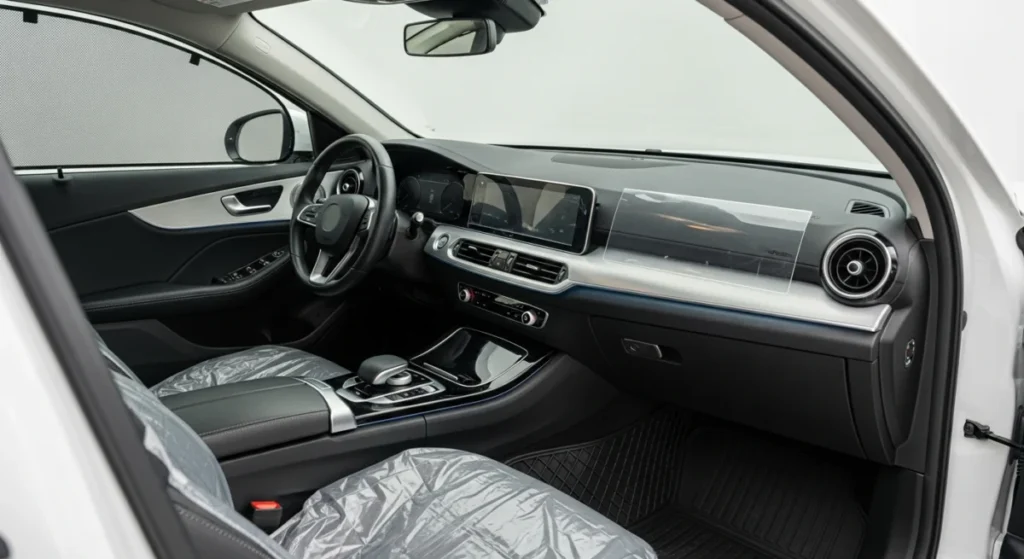
Benefits and Key Features of Interior Protection
Investing in quality interior protection offers a multitude of benefits, both tangible and intangible.
- Preserves Resale Value: A well-maintained interior significantly boosts your car’s resale value, recouping a substantial portion of your investment in protective measures.
- Enhances Aesthetics: Protectants keep your interior looking new and fresh, improving the overall driving experience.
- Reduces Cleaning Time: Protective layers make cleaning easier and more efficient, saving you time and effort.
- Prevents Stains and Odors: Barrier products prevent spills from penetrating surfaces, minimizing the risk of permanent stains and lingering odors.
- Protects Against UV Damage: UV protectants prevent fading, cracking, and discoloration caused by prolonged sun exposure.
- Extends Interior Lifespan: By minimizing wear and tear, interior protection extends the lifespan of your upholstery, carpets, and other interior components.
- Promotes Healthier Environment: Clean and protected interiors reduce allergens and bacteria buildup.
Key features to look for in interior protection products include:
- Durability: Products that can withstand daily wear and tear without losing their effectiveness.
- UV Resistance: Especially important for dashboards, seats, and other surfaces exposed to sunlight.
- Water and Stain Resistance: Essential for floor mats, seat covers, and upholstery protectants.
- Easy Application: Products that are easy to apply and maintain.
- Non-Toxic Formulas: Safe for use around children and pets.
- Compatibility with Interior Materials: Products formulated for specific materials, such as leather, vinyl, fabric, and plastic.
Installation Tips (Where Applicable)
The effectiveness of interior protection often hinges on proper installation. Here are some key tips for common protective products:
- Seat Covers:
- Ensure the covers are the correct size and fit for your specific vehicle model.
- Follow the manufacturer’s instructions carefully.
- Use the provided straps and fasteners to secure the covers properly.
- Consider professional installation for custom-fit covers.
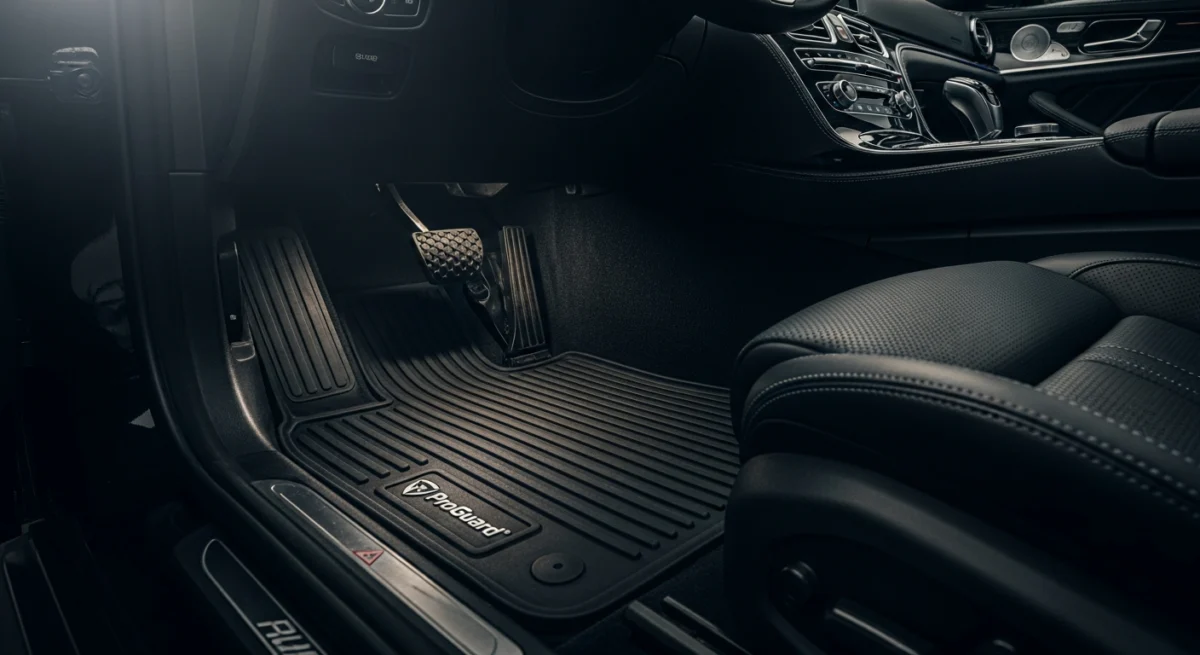
- Floor Mats and Liners:
- Remove old floor mats before installing new ones.
- Ensure the mats or liners fit snugly and don’t interfere with the pedals.
- Use the retention clips (if provided) to secure the mats in place.
- Dashboard Covers:
- Clean the dashboard thoroughly before installation.
- Ensure the cover fits properly and doesn’t obstruct vents or sensors.
- Use adhesive strips (if needed) to secure the cover.
- Window Tinting:
- This is best left to professionals for optimal results and legal compliance.
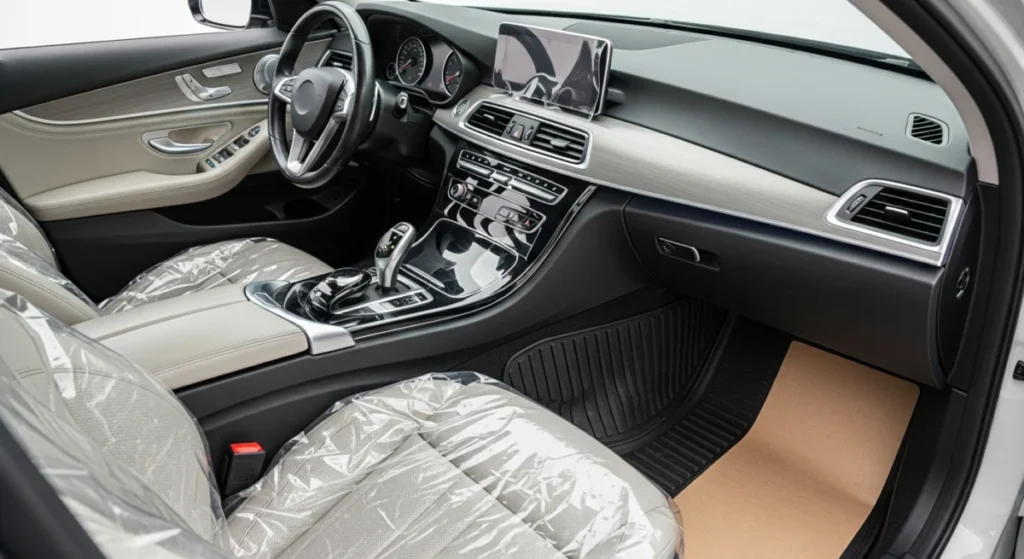
Maintenance and Care
Even with the best interior protection in place, regular maintenance is crucial to keep your vehicle looking its best.
- Regular Cleaning: Vacuum the interior regularly to remove dirt, dust, and debris. Wipe down surfaces with a damp cloth or appropriate cleaner as needed.
- Spot Cleaning: Address spills immediately to prevent staining. Use a clean cloth to blot the spill and then apply a stain remover if necessary.
- Conditioning: Use a leather conditioner or vinyl protectant periodically to keep these materials supple and prevent cracking.
- UV Protection: Reapply UV protectant to dashboards and other exposed surfaces every few months, especially during summer.
- Washing Floor Mats: Remove floor mats regularly and wash them with soap and water. Allow them to dry completely before reinstalling.
- Air Fresheners: Use air fresheners or odor absorbers to keep the interior smelling fresh.
- Professional Detailing: Consider professional detailing services periodically for a thorough cleaning and reconditioning of your interior.
Top Buying Factors for Interior Protection
When selecting interior protection products, consider these key factors:
- Material Compatibility: Ensure the products are compatible with the materials in your car’s interior (leather, vinyl, fabric, plastic). Using the wrong product can cause damage.
- Level of Protection: Consider your needs and lifestyle. Do you have kids or pets? Do you frequently transport messy items? Choose products that offer the appropriate level of protection for your specific needs.
- Durability: Look for products that are durable and long-lasting. Read reviews and choose products from reputable brands.
- Ease of Use: Choose products that are easy to apply and maintain. Consider your time and effort when making your selection.
- Budget: Interior protection products range in price from budget-friendly to high-end. Set a budget and choose products that offer the best value for your money.
- Brand Reputation: Opt for reputable brands known for quality and performance. Read reviews and testimonials to gauge customer satisfaction.
- Warranty: Check for warranties on products, especially for seat covers and floor liners. A warranty provides peace of mind and protection against defects.
- Aesthetics: Choose products that complement your car’s interior and enhance its overall appearance.
Essential FAQs
- Q: How often should I clean my car’s interior?
- A: At a minimum, vacuum and wipe down surfaces every 2-4 weeks. Spot clean spills immediately.
- Q: Are all-weather floor mats worth the investment?
- A: Absolutely! Especially if you live in an area with inclement weather or frequently track mud and dirt into your car.
- Q: Can I use household cleaners on my car’s interior?
- A: It’s generally not recommended. Household cleaners can be too harsh and damage specific interior surfaces. Use products designed for automotive interiors.
- Q: What’s the best way to protect leather seats?
- A: Regular cleaning with a pH-balanced leather cleaner and conditioning with a leather conditioner are essential. Consider seat covers for added protection.
- Q: Is professional window tinting worth the cost?
- A: Yes, for the best UV protection, heat reduction, and professional application. Substandard tints can bubble, peel, and offer inadequate protection.
Conclusion
Protecting your vehicle’s interior is an investment that pays dividends in the long run. By understanding the various threats to your interior, selecting the right protective products, and implementing a regular maintenance routine, you can keep your car looking its best, preserve its resale value, and enjoy a more comfortable and pleasant driving experience. Don’t underestimate the power of proactive care – a little effort today can save you significant time, money, and frustration in the future.