SUV Roof Racks: Your Ultimate Guide to Maximizing Cargo Space
Hitting the road for a weekend getaway or a cross-country adventure? Many SUV owners quickly realize that interior space can become a premium, especially when traveling with family, friends, or bulky gear. Enter the SUV roof rack: the unsung hero of vehicle-based adventures. According to recent industry data, the SUV roof rack market is projected to reach \$XX billion by 2027, signaling a growing demand for flexible and convenient cargo solutions. This guide provides everything you need to know about choosing, installing, and maintaining an SUV roof rack that perfectly fits your needs and vehicle. Let’s get started!
Understanding SUV Roof Racks
What is an SUV Roof Rack and How Does It Work?
An SUV roof rack is a system designed to securely attach cargo to the roof of your sport utility vehicle. It typically consists of two or more crossbars that span the width of the roof, supported by towers or mounting feet that attach to the vehicle’s roof.
Here’s how it generally works:
1. Mounting Points: Roof racks attach to the vehicle’s roof via designated mounting points. These can be factory-installed fixed points, raised side rails, flush side rails, or even bare roofs that require specialized clamp-on systems. 2. Towers/Feet: The towers or feet are the interface between the crossbars and the mounting points on your vehicle. Their design varies depending on the type of mounting system. 3. Crossbars: Crossbars are the horizontal bars that run across the roof, providing a stable platform for attaching cargo carriers, bike racks, kayak mounts, and other accessories. 4. Accessories: Various accessories can be attached to the crossbars using clamps, straps, or bolts to securely carry specific types of gear.
Benefits and Key Features of SUV Roof Racks
SUV roof racks offer a multitude of benefits, transforming your vehicle into a versatile cargo hauler.
Increased Cargo Capacity
The most obvious advantage is the increased cargo capacity. By utilizing the roof space, you free up valuable room inside the vehicle for passengers and other essentials. This is crucial for family road trips, camping excursions, and transporting bulky items.
Versatility and Flexibility
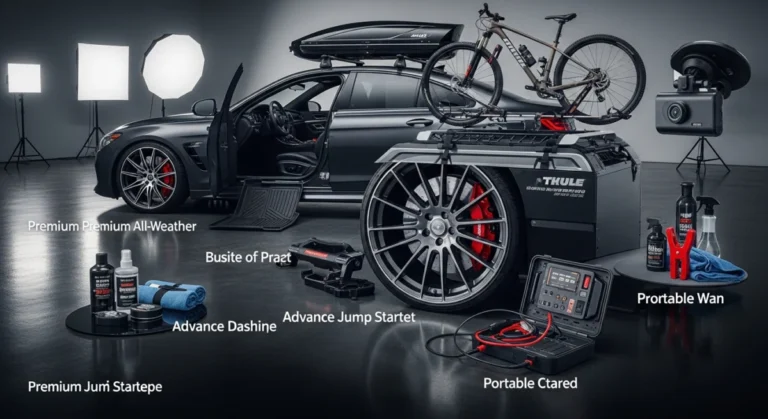
Roof racks are incredibly versatile. With the right accessories, you can carry:
- Bikes
- Kayaks and canoes
- Surfboards and paddleboards
- Skis and snowboards
- Roof boxes and cargo bags
- Lumber and other building materials
Improved Comfort and Convenience
Moving bulky items to the roof improves passenger comfort by providing more legroom and eliminates clutter. It also makes loading and unloading easier, especially for long items like kayaks or ladders.
Enhanced Vehicle Appearance
A stylish roof rack can enhance the overall appearance of your SUV, giving it a more rugged and adventurous look.
Key Features to Look For
- Weight Capacity: Ensure the rack’s weight capacity meets your needs. Overloading can damage the rack, the vehicle, and compromise safety.
- Aerodynamic Design: Aerodynamic crossbars minimize wind noise and drag, improving fuel efficiency.
- Durability and Materials: Look for racks made from durable materials like aluminum or steel, with corrosion-resistant finishes.
- Compatibility: Verify that the rack is compatible with your specific SUV model and roof type.
- Locking Mechanisms: Locking systems deter theft of the rack and attached accessories.
- Ease of Installation: Consider racks that are easy to install and remove, especially if you plan to use them seasonally.
- T-Slots: T-slots allow for easy attachment of accessories without wrapping straps around the crossbars.
SUV Roof Rack Installation Tips
Installation difficulty varies depending on the type of rack and your vehicle. Some racks are relatively simple to install, while others require more technical expertise. Always consult the manufacturer’s instructions before beginning.
Preparing for Installation
1. Read the Instructions: Thoroughly read the manufacturer’s instructions before starting. 2. Gather Tools: Gather all the necessary tools, such as wrenches, screwdrivers, and measuring tape. 3. Inspect Components: Inspect all components for damage or defects before installation. 4. Clean the Roof: Clean the roof of your vehicle to ensure a secure attachment.
Step-by-Step Installation (General Guide)
This is a general overview. Specific steps will vary based on the type of rack.
1. Attach Towers/Feet: Attach the towers or feet to the designated mounting points on your vehicle’s roof. Ensure they are properly aligned and secured. 2. Install Crossbars: Attach the crossbars to the towers, making sure they are evenly spaced and tightened. 3. Tighten All Fasteners: Double-check all fasteners to ensure they are properly tightened. 4. Test the Rack: Before loading any cargo, test the rack by applying some pressure to the crossbars to ensure they are stable.
Tips for a Smooth Installation
Use a Torque Wrench: Use a torque wrench to tighten fasteners to the specified torque settings. This prevents over-tightening, which can damage the rack or your vehicle. Protect Your Vehicle: Use painter’s tape or a soft cloth to protect the roof of your vehicle from scratches during installation. Get Assistance: If the rack is heavy or the installation is complex, ask a friend to help. Keep the Keys: If your rack has locking mechanisms, keep the keys in a safe and easily accessible place.
Maintenance and Care of Your SUV Roof Rack
Proper maintenance ensures your roof rack remains in good condition and performs optimally for years to come.
Regular Cleaning
- Clean the rack regularly with soap and water to remove dirt, grime, and road salt.
- Pay special attention to the mounting points and fasteners, as these areas are prone to corrosion.
Inspecting for Damage
- Inspect the rack regularly for signs of damage, such as cracks, dents, or corrosion.
- Check the fasteners to ensure they are tight and not corroded.
- Replace any damaged components immediately.
Lubrication
- Lubricate the locking mechanisms and moving parts with a silicone-based lubricant to prevent corrosion and ensure smooth operation.
Storage
- When not in use, store the roof rack in a dry, protected area to prevent damage and corrosion.
- Disassemble the rack if possible to save space.
Top Buying Factors for SUV Roof Racks
Choosing the right SUV roof rack involves considering several factors to ensure you get a rack that meets your specific needs and budget.
Vehicle Compatibility
- Ensure the rack is specifically designed for your SUV’s make, model, and year.
- Consider the type of roof (fixed points, raised rails, flush rails, bare roof) when selecting a rack.
Load Capacity
- Determine the maximum weight you plan to carry on the rack and choose a rack with a sufficient load capacity.
- Remember to factor in the weight of the rack itself and any accessories.
Intended Use
- Consider what you will primarily be using the rack for (e.g., bikes, kayaks, cargo boxes).
- Choose a rack that is compatible with the accessories you plan to use.
Budget
- Roof racks range in price from a few hundred dollars to over a thousand dollars.
- Set a budget and choose a rack that offers the best value for your money.
Brand Reputation
- Choose a rack from a reputable brand known for quality and durability.
- Read online reviews and compare different brands before making a decision. Some popular brands include Thule, Yakima, Rhino-Rack, and Kuat.
Style and Aesthetics
- Choose a rack that complements the style of your SUV.
- Consider the color and finish of the rack.
Essential FAQ About SUV Roof Racks
Q: Will a roof rack damage my SUV’s roof? A: If installed correctly and the weight limit is not exceeded, a roof rack should not damage your SUV’s roof. However, improper installation or overloading can cause dents, scratches, or even structural damage.
Q: How much does a roof rack affect gas mileage? A: A roof rack can affect gas mileage, especially at higher speeds. Aerodynamic racks minimize this effect, but any added weight and wind resistance will impact fuel efficiency. Removing the rack when not in use helps to improve gas mileage.
Q: Can I install a roof rack myself, or should I have it professionally installed? A: Many roof racks can be installed DIY with basic tools and following the manufacturer’s instructions carefully. However, if you’re uncomfortable with the process or unsure about any aspect of the installation, it’s best to have it professionally installed.
Q: What is the difference between a roof rack and a roof box? A: A roof rack is the base system that attaches to your vehicle’s roof and provides a platform for carrying cargo. A roof box is an enclosed container that attaches to the roof rack to provide weatherproof storage.
Q: How do I prevent theft of my roof rack and accessories? A: Choose a roof rack with locking mechanisms to deter theft of the rack itself. Use cable locks or locking straps to secure accessories like bikes or kayaks to the rack. Consider storing valuable items inside the vehicle when possible.
Conclusion
Investing in a quality SUV roof rack is a smart decision for anyone who needs extra cargo space or wants to enjoy outdoor adventures. By understanding the different types of racks, key features, installation tips, and maintenance requirements, you can choose a roof rack that perfectly fits your needs and enhances your SUV’s capabilities. So, gear up, hit the road, and explore the world with confidence, knowing your equipment is safely and securely stowed on your SUV’s roof rack.