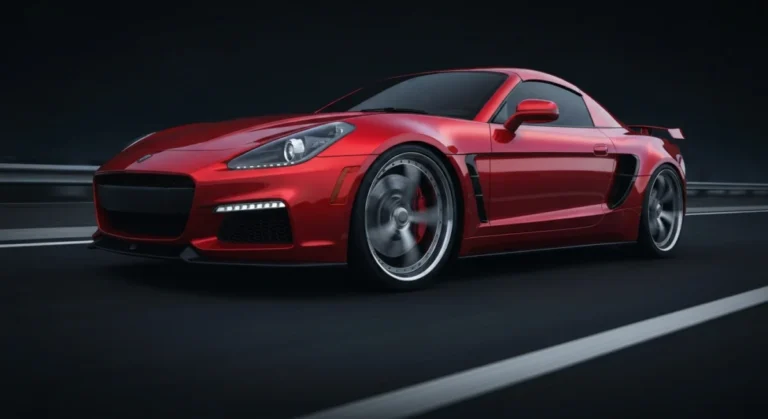
Convertible ownership is a dream for many, conjuring images of sun-drenched scenic drives and the exhilarating freedom of open-air motoring. But let’s be honest: sometimes, that dream can turn into a scorching reality. Imagine cruising down the highway, top down, only to be overwhelmed by blinding glare and uncomfortable heat. According to a recent study by the Auto Climate Control Institute, 78% of convertible owners report experiencing excessive sunlight exposure while driving with the top down. The solution? A high-quality sun shade designed specifically for convertibles. This guide will delve into everything you need to know about convertible sun shades, transforming your sun-soaked drives from scorching ordeals into pleasurable experiences.
Convertible Sun Shades: A Comprehensive Guide
What is a Convertible Sun Shade and How Does it Work?
A convertible sun shade is a specialized accessory designed to reduce sunlight penetration into the cabin of a convertible vehicle when the top is down. It functions as a barrier, deflecting or absorbing a significant portion of the sun’s rays, including harmful UV radiation. These shades come in various designs, the most common being mesh screens, fabric panels, and retractable visors.
- Mesh Screens: These are typically made from a durable, finely woven mesh material that allows airflow while blocking a significant percentage of sunlight. They often attach to the roll bar or frame of the convertible using straps, clips, or magnets.
- Fabric Panels: These shades are crafted from UV-resistant fabric, often coated with reflective materials. They provide a more substantial barrier against sunlight and heat compared to mesh screens. Attachment methods are similar to those used for mesh screens.
- Retractable Visors: These are similar to traditional sun visors but often larger and designed specifically for convertibles. They can be adjusted to block sunlight from different angles and can be retracted when not needed.
The working principle behind all these types relies on either reflection, absorption, or diffusion of solar radiation. Reflective materials bounce the sunlight away from the cabin, while absorbent materials convert the sunlight into heat, which is then dissipated into the surrounding air. Diffusive materials scatter the sunlight, reducing glare and softening the intensity of the light entering the cabin.
Benefits and Key Features of a Convertible Sun Shade
Improved Comfort: This is the primary benefit. A sun shade drastically reduces the amount of direct sunlight and heat entering the cabin, making for a more comfortable driving experience, especially during peak sunlight hours. No more squinting or feeling like you’re in a solar oven! UV Protection: Many high-quality sun shades block a significant percentage of harmful UV rays, protecting your skin and the interior of your car from sun damage. Extended exposure to UV rays can fade upholstery and crack dashboards. Reduced Glare: Sun shades minimize glare, improving visibility and reducing eye strain. This is particularly important when driving into the sun. Maintained Visibility: A good sun shade should block sunlight without significantly obstructing the driver’s view. Mesh designs are particularly good at balancing sun protection and visibility. Enhanced Privacy: While not a primary function, some sun shades can provide a degree of privacy, making it more difficult for others to see into your car. Interior Protection: By reducing UV exposure and heat build-up, sun shades can help protect your car’s interior from fading, cracking, and other forms of sun damage. Style and Aesthetics: Sun shades can also add to the overall look of your convertible. Many are designed to complement the car’s styling. Easy Storage: Most convertible sun shades are designed to be easily folded or rolled up for compact storage when not in use. Look for models that come with a storage bag. Durable Materials: Key features to look for include UV-resistant materials, reinforced stitching, and sturdy attachment hardware. Vehicle-Specific Fit: For optimal performance and ease of installation, choose a sun shade that is specifically designed for your make and model of convertible. Universal fit options are available but often require more adjustments.
Installation Tips for Your Convertible Sun Shade
Installation varies depending on the type of sun shade you choose. However, here are some general tips:
- Read the Instructions: Always start by carefully reading the manufacturer’s instructions.
- Clean Surfaces: Ensure that the surfaces where the sun shade will attach (roll bar, frame, etc.) are clean and dry.
- Proper Alignment: Position the sun shade correctly before securing it in place. This will ensure optimal coverage and prevent the shade from interfering with the operation of the convertible top.
- Secure Attachment: Use the provided straps, clips, or magnets to securely attach the sun shade. Make sure that all attachment points are firmly connected to prevent the shade from coming loose while driving.
- Test Fit: After installation, test fit the sun shade by raising and lowering the convertible top to ensure that it does not interfere with its operation.
- Avoid Over-Tightening: Be careful not to over-tighten straps or clips, as this can damage the sun shade or the car’s interior.
Maintenance and Care for Long-lasting Use
Proper maintenance will extend the life of your convertible sun shade.
- Regular Cleaning: Clean your sun shade regularly to remove dirt, dust, and debris. Use a mild soap and water solution and a soft cloth. Avoid harsh chemicals or abrasive cleaners.
- Proper Storage: When not in use, store your sun shade in a cool, dry place, away from direct sunlight. Most sun shades come with a storage bag.
- Inspect Regularly: Periodically inspect your sun shade for signs of wear and tear, such as frayed edges, loose stitching, or damaged attachment hardware. Repair or replace the sun shade as needed.
- Avoid Sharp Objects: Be careful not to snag or tear your sun shade on sharp objects.
- UV Protection: Even though the shade is designed to block the sun, storing it in a shaded place when not in use will further protect its lifespan.
Top Buying Factors to Consider Before You Buy
- Vehicle Compatibility: The most crucial factor. Ensure the sun shade is specifically designed for your convertible’s make and model. A tailored fit offers superior coverage and easier installation. Universal fit models might require modification and might not provide optimal protection.
- Material Quality: Look for durable, UV-resistant materials that can withstand prolonged exposure to sunlight and heat. Popular choices include high-quality mesh, coated fabrics, and reflective materials.
- Sun Protection Level: Consider the percentage of sunlight and UV rays that the sun shade blocks. A higher percentage indicates better protection. Aim for a shade that blocks at least 80% of UV rays.
- Visibility: Ensure that the sun shade does not significantly obstruct your view of the road. Mesh designs generally offer better visibility than solid fabric panels.
- Ease of Installation and Removal: Choose a sun shade that is easy to install and remove, especially if you plan to use it frequently. Models with simple attachment mechanisms, such as straps, clips, or magnets, are generally easier to work with.
- Storage: Consider the size and weight of the sun shade when folded or rolled up for storage. Look for a model that comes with a storage bag for convenient and compact storage.
- Price: Set a budget and compare prices from different manufacturers. Keep in mind that a higher price does not always guarantee better quality. Read reviews and compare features before making a decision.
- Customer Reviews: Read customer reviews to get insights into the real-world performance and durability of the sun shade. Pay attention to reviews that mention issues with fit, installation, or material quality.
- Warranty: Check if the sun shade comes with a warranty. A warranty provides protection against defects in materials and workmanship.
- Aesthetic Appeal: While functionality is key, consider the appearance of the sun shade and how it will complement the overall look of your convertible. Choose a style and color that you find appealing.
Essential FAQs About Convertible Sun Shades
Q1: Will a sun shade completely eliminate sunlight in my convertible? No, it won’t eliminate it entirely, but a good sun shade will significantly reduce the amount of direct sunlight and glare entering the cabin, making for a much more comfortable driving experience.
Q2: Are convertible sun shades difficult to install? Most convertible sun shades are designed for easy installation, typically using straps, clips, or magnets. However, always read the instructions carefully and ensure that the shade is properly secured.
Q3: Can I use a universal sun shade on my convertible? While universal sun shades are available, a vehicle-specific model is recommended for the best fit and performance. Universal shades may require adjustments and may not provide optimal coverage.
Q4: Will a sun shade protect my car’s interior from fading? Yes, a sun shade can help protect your car’s interior from fading and cracking by blocking harmful UV rays.
Q5: How do I clean my convertible sun shade? Clean your sun shade with a mild soap and water solution and a soft cloth. Avoid harsh chemicals or abrasive cleaners. Let it air dry completely before storing.
Conclusion
A convertible sun shade is an investment in your comfort and the longevity of your vehicle. By understanding the different types available, their benefits, and how to choose the right one for your car, you can transform your sun-soaked drives from scorching ordeals into truly enjoyable experiences. So, do your research, consider the buying factors outlined above, and choose a sun shade that will keep you cool, comfortable, and protected on the open road. Happy driving!