A sticky, grimy steering wheel isn’t just unpleasant; it’s bad for business. As a rideshare driver, your car is your office, and the steering wheel is your primary point of contact. A worn-out wheel screams unprofessionalism, while a slippery grip can compromise safety. The solution? A quality steering wheel cover, a small investment that can significantly improve your driving experience and your passengers’ perception of your service. In this guide, we’ll delve into everything you need to know about choosing the right steering wheel cover for your rideshare vehicle.
The Rideshare Driver’s Guide to Steering Wheel Covers
What is a Steering Wheel Cover and How Does it Work?
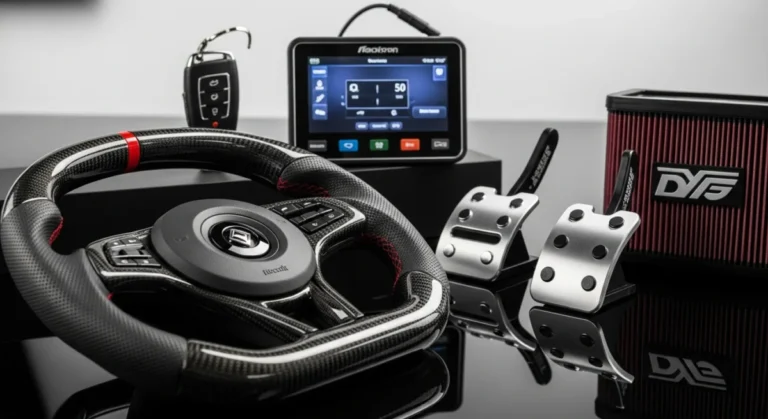
A steering wheel cover is simply an accessory that fits snugly over your vehicle’s existing steering wheel. Its purpose is multi-faceted: to protect the original wheel from wear and tear, improve grip, add comfort, and enhance the aesthetic of your car’s interior. They work by providing an additional layer of material around the wheel, typically made from leather, microfiber leather, silicone, rubber, or fabric. This layer increases the diameter of the wheel slightly, providing a thicker, more substantial feel in your hands. The texture of the cover also improves grip, reducing the likelihood of your hands slipping, especially in wet or humid conditions.
Benefits and Key Features of Steering Wheel Covers for Rideshare Drivers
Investing in a good steering wheel cover isn’t just about covering up existing damage; it’s about preventative maintenance and improving your workday. Here are some of the key benefits and features to consider:
- Protection from Wear and Tear: A quality cover acts as a barrier against the constant friction from your hands, preventing the original steering wheel from fading, cracking, or becoming sticky over time. This is particularly important in rideshare vehicles, where the steering wheel sees significantly more use than in a personal car.
- Enhanced Grip and Control: Sweaty hands can be a major problem, especially during long shifts. A textured steering wheel cover made from materials like microfiber leather or silicone provides superior grip, improving your control over the vehicle and enhancing safety. This is a non-negotiable feature for professional drivers.
- Increased Comfort: Some covers offer additional padding or ergonomic designs, reducing hand fatigue during long hours behind the wheel. Consider covers with contoured grips or extra cushioning for enhanced comfort.
- Improved Hygiene: Let’s face it, your hands aren’t always clean. A steering wheel cover is easier to clean and sanitize than the original steering wheel. Choose a material that can be easily wiped down with disinfectant wipes to maintain a hygienic environment for both you and your passengers.
- Aesthetic Enhancement: A new steering wheel cover can instantly upgrade the look and feel of your car’s interior. Choose a cover that complements your car’s design and reflects your personal style. First impressions matter, and a clean, well-maintained interior can positively influence your passenger ratings.
- Temperature Regulation: Some materials, like leather, can help regulate the temperature of the steering wheel. They prevent the wheel from becoming scorching hot in the summer sun or freezing cold in the winter.
- Enhanced Resale Value: Protecting your vehicle’s interior, including the steering wheel, will boost resale value when you decide to upgrade.
- Increased Diameter: For drivers with larger hands, increasing the diameter of the steering wheel with a cover can substantially improve comfort and control.
Installation Tips
While most steering wheel covers are designed for easy installation, a little preparation can go a long way.
- Choose the Right Size: Steering wheel covers come in various sizes. Consult your car’s owner’s manual or measure the diameter of your steering wheel before purchasing a cover to ensure a snug and secure fit. Too loose, and the cover will slip, creating a safety hazard. Too tight, and you might damage it during installation.
- Warm the Cover (If Necessary): If you’re installing a tight-fitting leather or rubber cover, warming it up with a hairdryer or leaving it in the sun for a few minutes can make it more pliable and easier to stretch over the wheel.
- Start at the Top: Begin by positioning the cover at the top of the steering wheel and work your way down, stretching it firmly as you go.
- Use Both Hands: Use both hands to evenly distribute the tension and avoid tearing the cover.
- Check for Slippage: Once installed, test the cover to ensure it doesn’t slip or rotate on the wheel. If it does, double-check that you have the correct size and that it’s properly positioned. Some covers feature an inner rubber grip that needs to sit flush against the steering wheel.
- Consider Professional Installation: If you’re struggling with installation, particularly with sewn-on leather covers, a professional auto upholstery shop can install it for you.
Maintenance and Care
Proper maintenance will extend the life of your steering wheel cover and keep it looking its best.
- Regular Cleaning: Wipe down the cover regularly with a damp cloth or disinfectant wipes to remove dirt, sweat, and grime.
- Material-Specific Cleaning: Use cleaning products specifically designed for the material of your cover. For example, use a leather cleaner and conditioner for leather covers.
- Avoid Harsh Chemicals: Harsh chemicals and abrasive cleaners can damage the cover’s material and cause it to fade or crack.
- Protect from Direct Sunlight: Prolonged exposure to direct sunlight can cause some materials, like leather, to dry out and crack. Consider using a sunshade when parking your car in direct sunlight.
- Address Tears or Damage Promptly: If you notice any tears or damage to the cover, repair it as soon as possible to prevent further deterioration. Small tears can often be repaired with a needle and thread.
Top Buying Factors for Rideshare Drivers
Choosing the right steering wheel cover can feel overwhelming, but focusing on these key factors will streamline the selection process.
- Material: Consider the pros and cons of different materials:
- Leather: Offers a luxurious feel, excellent grip, and durability but can be more expensive and require more maintenance.
- Microfiber Leather: A synthetic alternative to leather that offers similar benefits at a lower price point. It’s also more resistant to water and stains.
- Silicone: Provides excellent grip, is easy to clean, and is resistant to temperature extremes. However, it might not be as aesthetically pleasing as leather or microfiber leather.
- Rubber: Durable, water-resistant, and provides good grip. Often a budget-friendly option.
- Fabric: Can be comfortable but may not offer the same level of grip or durability as other materials.
- Grip and Texture: Prioritize a cover with a textured surface that provides a secure and comfortable grip, even with sweaty hands. Look for features like perforated leather or raised patterns.
- Comfort: Choose a cover with adequate padding or ergonomic contours that reduce hand fatigue during long drives.
- Durability: Select a cover made from high-quality materials that can withstand the rigors of daily use. Read reviews to get an idea of the cover’s long-term durability.
- Ease of Cleaning: Opt for a cover that is easy to clean and sanitize to maintain a hygienic environment for yourself and your passengers.
- Fit: Ensure the cover is the correct size for your steering wheel and fits snugly to prevent slippage.
- Aesthetic Appeal: Choose a cover that complements your car’s interior and reflects your personal style.
- Price: Consider your budget and compare prices across different brands and models. Remember that a slightly more expensive, high-quality cover can be a worthwhile investment in the long run.
- Brand Reputation: Research different brands and read customer reviews to get an idea of their reputation for quality and customer service.
Essential FAQ
Here are some frequently asked questions about steering wheel covers for rideshare drivers:
*Q: Will a steering wheel cover interfere with my car’s airbags?*
A: A properly installed steering wheel cover should not interfere with your car’s airbags. However, it’s crucial to choose a cover that fits snugly and doesn’t obstruct the airbag deployment area. Avoid covers with excessive padding or bulky features that could potentially hinder airbag deployment.
*Q: How often should I clean my steering wheel cover?*
A: Aim to clean your steering wheel cover at least once a week, or more frequently if it becomes visibly dirty. Regular cleaning will prevent the buildup of dirt, sweat, and grime, which can compromise grip and hygiene.
*Q: Can I use any cleaning product on my steering wheel cover?*
A: No, it’s essential to use cleaning products specifically designed for the material of your cover. Using harsh chemicals or abrasive cleaners can damage the cover and shorten its lifespan.
*Q: How do I measure my steering wheel to ensure I get the right size cover?*
A: Measure the diameter of your steering wheel from one outside edge to the opposite outside edge, passing through the center of the wheel. Use a flexible measuring tape for the most accurate measurement.
*Q: Are sewn-on steering wheel covers better than slip-on covers?*
A: Sewn-on leather steering wheel covers offer a more customized and integrated look, often providing a superior grip and feel. However, they require more skill and effort to install, often needing professional help. Slip-on covers are easier to install but may not provide the same level of grip or aesthetic appeal. The best choice depends on your budget, skill level, and personal preferences.
Conclusion
Investing in a quality steering wheel cover is a smart decision for any rideshare driver. It’s a relatively inexpensive way to protect your vehicle’s interior, enhance your comfort and control, and create a more professional and hygienic environment for your passengers. By considering the factors outlined in this guide, you can choose a steering wheel cover that meets your specific needs and contributes to a more enjoyable and profitable rideshare experience. A clean and comfortable steering wheel is not just about personal preference; it is a vital component of providing a great customer experience.