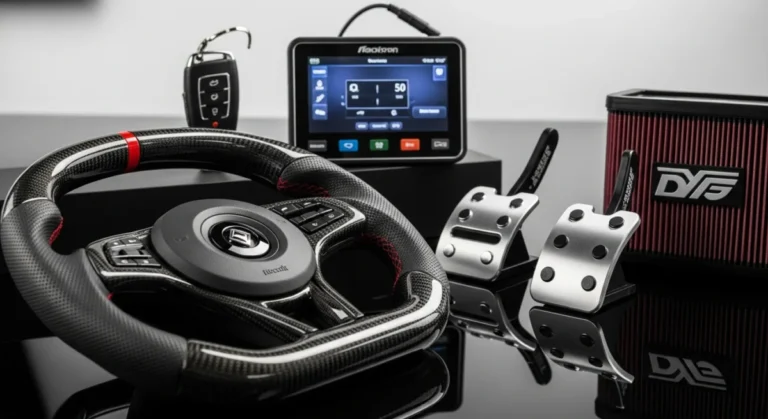
A steering wheel. The unsung hero of your daily commute, the controller of your weekend adventures, and the tactile link between you and the road. But let’s face it, the factory-installed steering wheel often leaves something to be desired, both in terms of comfort and, crucially, durability. Scratches, fading, wear and tear from constant use – these are all common issues. That’s where the humble steering wheel cover steps in. But are they all created equal? Absolutely not. Some are built to last, while others will crumble faster than a cheap biscuit. This guide is your definitive resource for understanding steering wheel cover durability, ensuring you make the right choice for your vehicle and your wallet. According to recent studies, drivers spend an average of 11 hours per week behind the wheel. That’s a significant amount of contact time, making durability a paramount concern.
Steering Wheel Covers: What Are They and How Do They Work?
A steering wheel cover is essentially an aftermarket accessory designed to fit snugly over your vehicle’s existing steering wheel. Their primary function is to protect the original wheel from damage, enhance grip, and provide a more comfortable driving experience. The way they work is simple: they add a protective layer, mitigating the direct impact of sunlight, oils from your hands, and general wear and tear. They also increase the diameter of the wheel in many cases, which can be beneficial for drivers with larger hands. They typically fit using a combination of elasticity and friction. Some are simply stretched over the wheel, while others require lacing or stitching for a more secure, custom fit.
Materials Matter: The Foundation of Durability
The durability of a steering wheel cover is intrinsically linked to the materials used in its construction. Here’s a breakdown of the most common materials and their respective strengths and weaknesses:
- Leather: Arguably the most luxurious and often the most durable option. Genuine leather offers excellent resistance to wear and tear, feels great in the hand, and develops a unique patina over time. However, it can be more expensive and requires proper care to prevent drying and cracking.
- Synthetic Leather (PU/PVC): A more affordable alternative to genuine leather. While not as durable as the real thing, high-quality synthetic leather can still offer good resistance to abrasion and fading. Look for options with a thick backing material for added durability.
- Microfiber Leather: A type of synthetic leather that is known for its soft touch, durability, and resistance to wear and tear. It is a popular choice for steering wheel covers because it is less prone to cracking or fading than other synthetic leathers.
- Rubber/Silicone: Offers excellent grip, even in wet conditions. Rubber and silicone covers are also highly resistant to water, sweat, and oils. However, they may not be as aesthetically pleasing as leather or synthetic leather options. Durability varies greatly depending on the grade of rubber or silicone used.
- Cloth/Fabric: Often made from materials like polyester or neoprene. Cloth covers can be comfortable, especially in extreme temperatures, but they are generally less durable than leather or rubber options. They are also more susceptible to staining and wear.
- Suede/Alcantara: Provides a luxurious feel and excellent grip. Suede and Alcantara are highly sought after for sporty vehicles. However, they require regular cleaning and maintenance to prevent matting and discoloration. They can also be susceptible to wear and tear if not properly cared for.
Benefits and Key Features of Durable Steering Wheel Covers
Investing in a durable steering wheel cover offers a multitude of benefits beyond just aesthetics.
- Protection: Shields your original steering wheel from scratches, fading, and wear and tear.
- Enhanced Grip: Provides a more secure and comfortable grip, improving control and reducing driver fatigue.
- Improved Comfort: Adds cushioning and padding for a more pleasant driving experience.
- Temperature Resistance: Can help to keep your hands cooler in the summer and warmer in the winter.
- Personalization: Allows you to customize the look and feel of your vehicle’s interior.
- Resale Value: Protecting the original steering wheel helps to maintain the resale value of your car.
- Damage Concealment: Covers up existing damage and hides unsightly blemishes.
Key features to look for when evaluating durability:
- Material Thickness: Thicker materials generally offer greater resistance to wear and tear.
- Stitching Quality: Strong, even stitching prevents the cover from unraveling over time.
- Reinforced Edges: Look for covers with reinforced edges to prevent fraying and tearing.
- UV Resistance: Crucial for preventing fading and cracking due to sun exposure.
- Abrasion Resistance: The ability to withstand rubbing and friction without showing signs of wear.
- Non-Slip Properties: Important for maintaining a secure grip, even in challenging driving conditions.
Installation Tips for Maximizing Cover Lifespan
Proper installation is crucial for ensuring the longevity of your steering wheel cover. A poorly installed cover is more likely to slip, tear, or wear unevenly.
- Clean the Steering Wheel: Before installing the cover, thoroughly clean your steering wheel with a mild cleaner to remove any dirt, oils, or debris.
- Warm the Cover: If the cover is made of a stiff material like leather or rubber, warming it slightly with a hairdryer can make it more pliable and easier to install.
- Stretch Evenly: When stretching the cover over the wheel, work gradually and evenly around the circumference. Avoid pulling too hard on any one area, as this can cause tearing or stretching.
- Secure Lacing (If Applicable): If the cover requires lacing, follow the instructions carefully and ensure that the laces are tightened evenly. Use a durable thread and a strong needle.
- Check for Slippage: After installation, test the cover to make sure it is securely in place and does not slip or rotate on the wheel. If slippage occurs, re-adjust or tighten the cover as needed.
- Use Proper Tools: For laced covers, invest in a good lacing tool. This will make installation much easier and more professional.
Maintenance and Care for Steering Wheel Cover Longevity
Even the most durable steering wheel cover requires regular maintenance and care to ensure its longevity.
- Regular Cleaning: Clean your steering wheel cover regularly with a damp cloth and a mild cleaner to remove dirt, oils, and sweat. For leather covers, use a leather cleaner and conditioner.
- Avoid Harsh Chemicals: Do not use harsh chemicals or abrasive cleaners, as these can damage the cover’s material and stitching.
- Protect from Sunlight: Park your car in the shade or use a sunshade to protect the cover from excessive sun exposure.
- Condition Leather Regularly: If your cover is made of leather, condition it regularly with a leather conditioner to keep it supple and prevent cracking.
- Address Stains Promptly: Clean up spills and stains immediately to prevent them from setting in.
- Inspect Regularly: Periodically inspect the cover for signs of wear and tear, such as fraying, cracking, or loose stitching. Address any issues promptly to prevent further damage.
- Avoid Sharp Objects: Be careful not to scratch or puncture the cover with sharp objects, such as keys or fingernails.
Top Buying Factors for Long-Lasting Steering Wheel Covers
Choosing the right steering wheel cover involves careful consideration of several factors to ensure you get the best value and durability for your money.
- Material Quality: Prioritize materials known for their durability, such as genuine leather, high-quality synthetic leather, or durable rubber.
- Stitching Strength: Inspect the stitching closely to ensure it is strong, even, and resistant to unraveling.
- Fit and Finish: Choose a cover that fits your steering wheel snugly and securely, without being too tight or too loose.
- Grip and Comfort: Consider the texture and feel of the cover to ensure it provides a comfortable and secure grip.
- UV Resistance: Look for covers that are specifically treated to resist fading and cracking from sun exposure.
- Water and Sweat Resistance: Opt for materials that are resistant to water and sweat, especially if you live in a humid climate or tend to sweat a lot while driving.
- Brand Reputation: Research different brands and read reviews to get an idea of their reputation for quality and durability.
- Warranty: Check if the cover comes with a warranty, as this can provide added peace of mind.
- Price: While price should not be the only factor, it is important to consider your budget and compare prices from different retailers. A more expensive cover is not always a better cover, but it is often worth paying a bit more for a higher-quality product.
Essential FAQ about Steering Wheel Cover Durability
Here are some frequently asked questions about steering wheel cover durability:
Q: How long should a steering wheel cover last?
A: The lifespan of a steering wheel cover depends on the quality of the materials, the amount of use it receives, and the level of care it is given. A high-quality leather cover that is properly maintained can last for several years, while a cheaper cover made of lower-quality materials may only last for a year or two.
Q: Are leather steering wheel covers more durable than synthetic ones?
A: Generally, yes. Genuine leather is typically more durable and resistant to wear and tear than synthetic leather. However, high-quality synthetic leather can still be a good option, especially if you are on a budget.
Q: Can a steering wheel cover protect my steering wheel from sun damage?
A: Yes, a steering wheel cover can provide a significant level of protection from sun damage, especially if it is made of a UV-resistant material.
Q: How can I prevent my steering wheel cover from slipping?
A: Choose a cover that fits your steering wheel snugly and securely. You can also try using a non-slip grip tape or adhesive spray to help keep the cover in place.
Q: Is it worth investing in a more expensive steering wheel cover?
A: It depends on your priorities and budget. A more expensive cover is likely to be made of higher-quality materials and offer greater durability and comfort. If you drive frequently or want a cover that will last for many years, it may be worth investing in a more expensive option.
Conclusion
Choosing a steering wheel cover isn’t just about aesthetics; it’s about protecting your investment and enhancing your driving experience. By prioritizing durability, considering the material quality, installation, and maintenance, you can select a cover that not only looks great but also stands the test of time. Remember, a durable steering wheel cover is a small investment that can pay off big in the long run, preserving your vehicle’s interior and making every drive a more comfortable and enjoyable experience.