Steering wheel covers: Keeping your grip clean and comfortable. Let’s face it, your steering wheel is one of the dirtiest parts of your car. Think about it: you touch it with your hands, often after touching gas pumps, door handles, and who knows what else! According to a study by Queen Mary University of London, car interiors harbor up to 700 different types of bacteria. A steering wheel cover can significantly reduce this exposure, acting as a barrier against germs and protecting the wheel itself from wear and tear. But a dirty cover defeats the purpose. This guide will walk you through comprehensive cleaning methods, ensuring your steering wheel cover stays fresh, hygienic, and enhances your driving experience.
Understanding Steering Wheel Covers
What is it / How it works
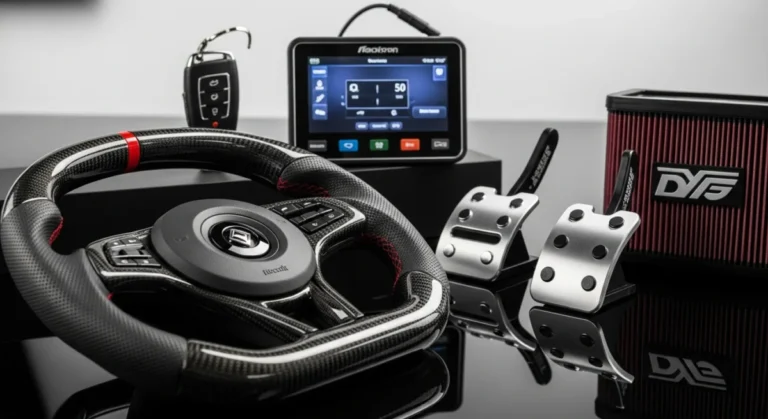
A steering wheel cover is a protective layer placed over your car’s existing steering wheel. Its primary function is to shield the original wheel from dirt, grime, sweat, and sun damage. Covers also improve grip, enhance comfort, and add a touch of personal style to your vehicle’s interior. Think of it as a glove for your steering wheel, protecting it from the elements and providing a more secure and comfortable hold. The cover adheres to the steering wheel using elastic bands, sewn-in fabric, or a snug, custom fit. This creates a barrier between your hands and the original steering wheel.
Benefits and Key Features
Steering wheel covers offer a plethora of benefits beyond just aesthetics:
- Improved Grip: Many covers are designed with textured surfaces, providing a more secure grip, especially beneficial in wet or slippery conditions. This can lead to better car control.
- Enhanced Comfort: Covers can add cushioning and padding, making long drives more comfortable, especially for those with sensitive hands.
- Protection from Wear and Tear: UV rays, sweat, and constant handling can damage the original steering wheel. A cover acts as a shield, preserving its condition.
- Personalization: Covers come in a wide variety of colors, materials, and designs, allowing you to customize your car’s interior to match your style.
- Hygiene: A steering wheel cover is easier to clean than the original steering wheel, making it a more hygienic surface to grip. Frequent cleaning eliminates harmful bacteria and keeps your hands germ-free.
- Temperature Regulation: Some covers are designed to stay cooler in the summer and warmer in the winter, improving driving comfort in extreme weather. This is especially true for covers made of materials such as microfiber leather.
Installation Tips
Installing a steering wheel cover can sometimes be tricky, but with the right technique, it’s manageable:
1. Choose the Right Size: Ensure the cover is the correct size for your steering wheel’s diameter. Refer to the product specifications. A too-small cover will be impossible to install, while a too-large one will be loose and unsafe. 2. Warm it Up (If Needed): For snug-fitting covers, especially those made of leather or synthetic materials, warming them up slightly with a hairdryer can make them more pliable and easier to stretch. Be careful not to overheat. 3. Start at the Top: Position the cover at the top of the steering wheel and begin stretching it down and around the rim. 4. Work Your Way Around: Gradually work your way around the wheel, stretching the cover as you go. You may need to use some force, but avoid tearing or damaging the cover. 5. Adjust as Needed: Once the cover is in place, make sure it’s evenly distributed and properly aligned. There shouldn’t be any significant wrinkles or loose areas. 6. Safety Check: Ensure the cover is securely fitted and doesn’t slip or rotate during normal driving maneuvers. If it does, remove it and try again or consider a different cover.
Maintenance and Care
Regular cleaning is crucial for maintaining the hygiene and longevity of your steering wheel cover. The appropriate cleaning method depends on the material of the cover:
Leather Covers:
- Dusting: Regularly dust the cover with a microfiber cloth to remove loose dirt and debris.
- Leather Cleaner: Use a dedicated leather cleaner and conditioner every 1-2 months. Apply a small amount to a clean microfiber cloth and gently rub it into the leather. Wipe away any excess with a separate clean cloth.
- Avoid Harsh Chemicals: Never use harsh chemicals, solvents, or abrasive cleaners on leather covers, as they can damage the leather’s finish.
- Conditioning: Follow up with a leather conditioner to keep the leather supple and prevent cracking.
- Spot Cleaning: For spills or stains, blot the area immediately with a clean cloth. Then, use a leather cleaner specifically designed for spot cleaning.
Synthetic Leather (e.g., PVC, PU) Covers:
- Mild Soap and Water: These covers can usually be cleaned with a mild soap and water solution. Dampen a microfiber cloth with the solution and gently wipe the cover.
- All-Purpose Cleaner: For tougher stains, an all-purpose cleaner may be used, but test it in an inconspicuous area first to ensure it doesn’t damage the material.
- Rinse and Dry: After cleaning, rinse the cover with a damp cloth to remove any soap residue. Then, dry it thoroughly with a clean cloth.
- Avoid Abrasives: Avoid using abrasive cleaners or scrub brushes, as they can scratch the surface of the synthetic leather.
Fabric Covers:
- Vacuuming: Regularly vacuum the cover to remove loose dirt and debris. A small brush attachment can be helpful for reaching crevices.
- Upholstery Cleaner: Use an upholstery cleaner specifically designed for fabrics. Follow the instructions on the product label.
- Spot Cleaning: For spills or stains, blot the area immediately with a clean cloth. Then, use an upholstery cleaner specifically designed for spot cleaning.
- Steam Cleaning: Some fabric covers can be steam cleaned for a deeper clean. However, check the manufacturer’s instructions first to ensure it’s safe to do so.
- Air Dry: Allow the cover to air dry completely after cleaning. Avoid using a hairdryer or placing it in direct sunlight, as this can damage the fabric.
Silicone Covers:
- Dish Soap and Water: These covers are very easy to clean with dish soap and water. Simply remove the cover and wash it in the sink with a mild dish soap.
- Rinse and Dry: Rinse the cover thoroughly with water and allow it to air dry completely before reinstalling it.
- Avoid Harsh Chemicals: Avoid using harsh chemicals or abrasive cleaners, as they can damage the silicone.
General Cleaning Tips:
- Always test any cleaning product in an inconspicuous area first to ensure it doesn’t damage the cover.
- Avoid using excessive amounts of water when cleaning, as this can damage the underlying steering wheel.
- Remove the cover from the steering wheel for more thorough cleaning.
- Allow the cover to air dry completely before reinstalling it.
- Wash your hands before driving to minimize the transfer of dirt and germs to the cover.
Top Buying Factors
When selecting a steering wheel cover, consider the following factors:
- Material: Choose a material that suits your preferences in terms of comfort, durability, and aesthetics. Leather, synthetic leather, fabric, and silicone are common options.
- Size: Ensure the cover is the correct size for your steering wheel’s diameter. Measure your steering wheel carefully before purchasing.
- Grip: Look for a cover with a textured surface to provide a secure grip, especially if you drive in wet or slippery conditions.
- Comfort: Consider the padding and cushioning of the cover, especially if you have sensitive hands or drive long distances.
- Style: Choose a cover that complements your car’s interior and reflects your personal style.
- Ease of Installation: Opt for a cover that’s easy to install and remove. Some covers require more effort than others.
- Price: Steering wheel covers range in price from affordable to premium. Set a budget and choose a cover that offers the best value for your money.
- Reviews: Read online reviews to get an idea of other customers’ experiences with the cover. This can help you make an informed decision.
Essential FAQs
1. How often should I clean my steering wheel cover? It depends on how often you drive and how dirty your hands get. As a general rule, clean it at least once a month, or more often if you notice it getting dirty or sticky. 2. Can I put my steering wheel cover in the washing machine? It depends on the material. Fabric covers can sometimes be machine washed on a gentle cycle, but leather and synthetic leather covers should not be. Always check the manufacturer’s instructions. 3. How do I remove stubborn stains from my steering wheel cover? Try using a specialized stain remover designed for the material of your cover. Apply it according to the product instructions and test in an inconspicuous area first. 4. Will a steering wheel cover protect my original steering wheel from sun damage? Yes, a steering wheel cover can provide a significant amount of protection from UV rays, which can cause fading and cracking. 5. Is it safe to use household cleaners on my steering wheel cover? It’s generally not recommended to use harsh household cleaners, as they can damage the material of your cover. Stick to cleaners specifically designed for the material.
Conclusion
A steering wheel cover is a simple yet effective way to improve your driving experience, protect your car’s interior, and maintain hygiene. By choosing the right cover and following the cleaning methods outlined in this guide, you can keep your steering wheel cover looking and feeling its best for years to come. Remember, a clean cover is a safer and more comfortable cover!