Picture this: Fresh powder, crisp mountain air, and the promise of an epic ski trip. Now picture trying to cram your skis, snowboards, boots, and the rest of your winter gear into your car, turning it into a claustrophobic, gear-avalanche waiting to happen. Sound familiar? You’re not alone. Millions of skiers and snowboarders face this challenge every winter. The solution? A ski roof box, a game-changer for winter adventurers. In this comprehensive guide, we’ll dive deep into the world of ski roof boxes, covering everything from their benefits and features to installation, maintenance, and how to choose the perfect one for your needs. Get ready to liberate your car and elevate your ski trip experience.
What is a Ski Roof Box and How Does it Work?
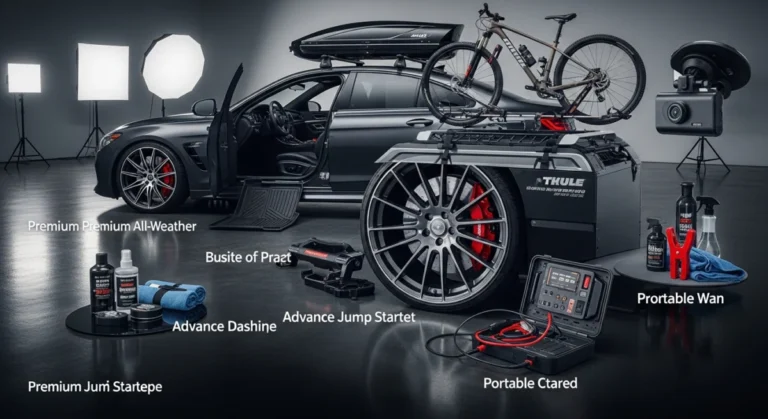
A ski roof box, also known as a cargo box or roof box, is a streamlined, weatherproof container designed to mount on the roof of your vehicle. Its primary purpose is to provide extra storage space, especially for long and bulky items like skis, snowboards, and other winter sports equipment. Think of it as an extension of your car’s trunk, but located on the roof.
How it Works
The basic principle is simple: the box mounts to your existing roof rack crossbars (which are crucial, and often sold separately). These crossbars act as the foundation, providing a secure platform for the box. The roof box typically attaches to the crossbars using clamps, brackets, or quick-release mechanisms. Once secured, you simply open the lid (usually from one or both sides, depending on the model), load your gear, and close and lock the lid. Voila! Your gear is safely stored, protected from the elements, and out of the way inside your vehicle. The box’s aerodynamic design helps to minimize wind resistance and noise during travel.
Benefits and Key Features of Ski Roof Boxes
Investing in a ski roof box offers a multitude of benefits beyond simply freeing up space in your car.
Enhanced Storage Capacity
This is the most obvious benefit. A roof box provides substantial additional storage for skis, snowboards, poles, boots, helmets, and other bulky winter gear. This keeps the interior of your car clutter-free and more comfortable for passengers. Depending on the size, you can easily fit several pairs of skis and snowboards, along with other essential equipment.
Protection from the Elements
Ski roof boxes are designed to be weatherproof. They protect your gear from snow, rain, road grime, salt, and UV rays. This is especially important for skis and snowboards, as exposure to these elements can damage the bases, edges, and bindings over time. You’ll arrive at the mountain with your gear in pristine condition, ready for action.
Security and Peace of Mind
Most ski roof boxes come with built-in locking mechanisms, providing a secure place to store your gear. This deters theft and gives you peace of mind, especially when making stops along the way. It’s a much safer option than leaving expensive equipment exposed in the back of a pickup truck or unsecured on a roof rack.
Improved Aerodynamics and Fuel Efficiency
While adding a roof box will slightly affect fuel economy, modern designs are optimized for aerodynamics. Look for boxes with a sleek, low-profile shape and wind-tunnel-tested designs. These features help to minimize wind resistance and reduce the impact on your fuel consumption. Some higher-end models even claim to improve fuel efficiency compared to having a completely bare roof rack!
Key Features to Look For
- Size and Capacity: Measured in cubic feet or liters, choose a size that accommodates the length of your longest skis or snowboard and the amount of gear you typically carry.
- Opening Mechanism: Consider single-side or dual-side opening. Dual-side opening provides easier access from either side of the vehicle.
- Mounting System: Look for quick-release or tool-free mounting systems for easy installation and removal.
- Locking Mechanism: Ensure the box has a secure and reliable locking system to deter theft.
- Material: ABS plastic is a common and durable material. Some premium boxes use stronger, lighter materials like carbon fiber reinforced polymers.
- Aerodynamic Design: A sleek, low-profile design will minimize wind resistance and noise.
- Durability and Weather Resistance: The box should be made from UV-resistant materials and be able to withstand harsh weather conditions.
- Internal Straps: Internal straps or tie-down points help to secure your gear and prevent it from shifting during transit.
- Color and Finish: Consider a color and finish that complements your vehicle’s aesthetics.
Installation Tips for Ski Roof Boxes
Installing a ski roof box is generally a straightforward process, but it’s essential to follow the manufacturer’s instructions carefully. Here are some helpful tips:
Before You Start
- Read the Manual: This is crucial. Understand the specific instructions for your roof box model.
- Gather Your Tools: Typically, you’ll need a wrench, screwdriver, and possibly a measuring tape.
- Inspect Your Roof Rack: Ensure your crossbars are properly installed and compatible with the roof box mounting system. Check the weight capacity of your roof rack and ensure it can handle the weight of the box and your gear.
- Have a Helper: Lifting and positioning the roof box onto your vehicle is much easier and safer with a second person.
Installation Steps
1. Position the Roof Box: Carefully lift the roof box onto your vehicle and center it between the crossbars. 2. Attach the Mounting Hardware: Follow the manufacturer’s instructions to attach the clamps or brackets to the crossbars. Ensure they are securely tightened. 3. Adjust as Needed: Fine-tune the position of the roof box to ensure it’s properly aligned and balanced. 4. Double-Check: Before hitting the road, double-check that all clamps and brackets are securely tightened. Give the box a firm shake to ensure it’s stable.
Important Considerations
- Weight Distribution: Distribute the weight evenly inside the roof box to maintain balance and stability. Place heavier items in the center and lighter items towards the ends.
- Height Clearance: Be mindful of your vehicle’s overall height with the roof box installed. This is especially important when entering parking garages or driving under bridges.
- Speed Limits: Adhere to any speed limits specified by the roof box manufacturer. Driving too fast can increase wind resistance and potentially damage the box or your vehicle.
Maintenance and Care for Your Ski Roof Box
Proper maintenance and care will extend the life of your ski roof box and keep it looking its best.
Cleaning
- Regularly clean the exterior of the box with mild soap and water to remove dirt, grime, and salt.
- Avoid using harsh chemicals or abrasive cleaners, as they can damage the finish.
- Clean the interior of the box to remove any debris or moisture.
Storage
- When not in use, store the roof box in a dry, protected location, such as a garage or shed.
- Cover the box with a tarp or storage bag to protect it from dust and UV rays.
- Consider supporting the box with straps or a hoist to prevent it from warping or sagging over time.
Inspection
- Regularly inspect the box for any signs of damage, such as cracks, dents, or loose hardware.
- Repair any damage promptly to prevent further deterioration.
- Check the locking mechanism and ensure it’s functioning properly.
- Inspect the mounting hardware for corrosion or wear and replace as needed.
Top Buying Factors for Ski Roof Boxes
Choosing the right ski roof box can seem overwhelming, but focusing on these key factors will help you make an informed decision.
- Ski/Snowboard Length: Ensure the internal length of the box is long enough to accommodate your longest skis or snowboard. Add a few inches for extra clearance.
- Gear Capacity: Consider the amount of gear you typically carry and choose a box with sufficient volume.
- Vehicle Compatibility: Verify that the roof box is compatible with your vehicle’s roof rack system. Check the manufacturer’s specifications for compatibility.
- Budget: Roof boxes range in price from a few hundred dollars to over a thousand. Determine your budget and look for boxes that offer the best value for your money.
- Brand Reputation: Research different brands and read reviews to get an idea of their quality, reliability, and customer service. Established brands like Thule, Yakima, and SportRack are generally good choices.
- Ease of Use: Consider the ease of installation, loading, and unloading. Look for features like quick-release mounting systems and dual-side opening.
- Aesthetics: Choose a box that complements the look of your vehicle. Consider the color, finish, and overall design.
- Noise Level: Some roof boxes can generate significant wind noise at highway speeds. Look for boxes with aerodynamic designs that are designed to minimize noise.
Essential FAQ about Ski Roof Boxes
Q: Will a ski roof box affect my gas mileage? A: Yes, adding a roof box will generally reduce your gas mileage. However, modern designs are optimized for aerodynamics to minimize the impact.
Q: Can I leave my ski roof box on my car year-round? A: While you can, it’s generally recommended to remove the box when not in use to reduce wear and tear, minimize wind resistance, and potentially improve fuel efficiency.
Q: Are ski roof boxes waterproof? A: Most ski roof boxes are highly water-resistant but not entirely waterproof. Heavy rain or snow can sometimes seep in through the seams.
Q: How do I prevent my skis from sliding around inside the box? A: Use internal straps or tie-down points to secure your skis and other gear. You can also use padding or blankets to fill any gaps.
Q: Can I install a ski roof box myself? A: Yes, most ski roof boxes are designed for easy DIY installation. However, it’s always recommended to have a helper and follow the manufacturer’s instructions carefully.
Conclusion
A ski roof box is an invaluable investment for anyone who loves winter sports. It provides ample storage, protects your gear from the elements, enhances security, and improves your overall travel experience. By carefully considering the factors outlined in this guide, you can choose the perfect ski roof box for your needs and enjoy countless worry-free ski trips for years to come. Now get out there and enjoy the slopes!