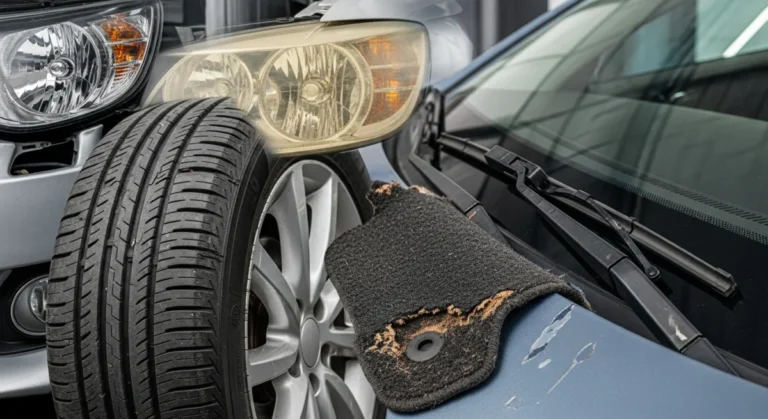
It’s a sight no car owner wants to see: a layer of grime, bird droppings etched into the paint, or the slow fade caused by relentless sun. Your sedan, your pride and joy, is constantly under attack from the elements. But what if you could shield it from these daily assaults? That’s where a sedan car cover steps in, acting as a protective barrier between your vehicle and the harsh realities of the world. Car covers are more than just fabric; they’re an investment in preserving your car’s value and appearance. In fact, the automotive aftermarket, including car covers and detailing products, is a multi-billion dollar industry showing just how many owners are concerned about vehicle protection. This comprehensive guide will provide you with everything you need to know to choose the right cover and keep your sedan looking its best for years to come.
What is a Sedan Car Cover and How Does It Work?
A sedan car cover is a fitted sheet of durable material designed to protect the exterior of your sedan from environmental hazards and potential damage. Think of it as a tailored, weatherproof coat for your car.
How it Works: The Protective Barrier
The fundamental principle behind a car cover is simple: it creates a physical barrier.
- Protection from the Elements: The cover shields your car’s paint, trim, and interior from sun exposure (UV rays), rain, snow, ice, dust, dirt, tree sap, and bird droppings.
- Scratch Prevention: By covering the car, it minimizes the risk of scratches from windblown debris, accidental bumps, or even malicious acts.
- Interior Protection: Blocking sunlight significantly reduces the temperature inside the car, preventing the dashboard from cracking and fading and protecting leather or fabric upholstery.
- Security: While not a fortress, a car cover can deter theft or vandalism by obscuring the vehicle and making it less of an easy target.
Essentially, the car cover acts as a sacrificial layer, absorbing the abuse that would otherwise be inflicted directly on your car’s surfaces.
Benefits and Key Features of Sedan Car Covers
The benefits of using a car cover extend far beyond just keeping your car clean. A good quality cover can significantly improve your car’s longevity and appearance.
Key Advantages:
- Preserved Paint Job: Shields against harmful UV rays that cause fading, oxidation, and discoloration. This helps maintain the car’s resale value.
- Interior Protection: Reduces heat buildup inside the vehicle, preventing damage to the dashboard, seats, and other interior components.
- Reduced Cleaning Frequency: Keeps dust, dirt, and grime off the car, minimizing the need for frequent washing.
- Protection Against Scratches: Prevents minor scratches from windblown debris, branches, or accidental contact.
- Deters Theft & Vandalism: Makes the car less visible, potentially deterring thieves and vandals.
- Protection from Environmental Hazards: Shields against bird droppings, tree sap, acid rain, and other contaminants that can damage the paint.
Important Features to Look For:
- Material: Different materials offer varying levels of protection. Common choices include:
- Polyester: Affordable and lightweight, good for basic protection against dust and light rain.
- Polypropylene: More durable than polyester, offers better water resistance.
- Acrylic-Coated Fabrics: Provide good water resistance and UV protection.
- Multi-Layer Fabrics: Offer the best protection, combining multiple layers for water resistance, breathability, and UV protection. Often made from a combination of synthetic fabrics.
- Water Resistance vs. Waterproofing:
- Water-Resistant: Repels water but may eventually allow some moisture to penetrate. Ideal for areas with occasional rain.
- Waterproof: Completely prevents water from passing through. Best for areas with heavy rain or snow, but breathability is crucial to prevent moisture buildup underneath.
- Breathability: Allows moisture to escape, preventing condensation buildup underneath the cover, which can lead to rust or mildew.
- UV Protection: Protects the car’s paint and interior from harmful UV rays.
- Fit: A snug, custom fit is essential. Universal covers might not provide adequate protection and can flap in the wind, causing scratches. Many brands offer covers specifically designed for different sedan models.
- Reinforced Seams: Strong seams prevent tearing and ensure the cover lasts longer.
- Elastic Hems: Help secure the cover to the car, preventing it from blowing off in the wind.
- Grommets & Tie-Down Straps: Provide additional security, especially in windy conditions.
- Cable & Lock: Can deter theft of the cover itself.
- Storage Bag: Allows for convenient storage when the cover is not in use.
- Soft Inner Lining: A soft inner layer, such as fleece or cotton, protects the car’s paint from scratches.
Sedan Car Cover Installation Tips
Proper installation is crucial for maximizing the effectiveness of your car cover and preventing damage to your vehicle.
Step-by-Step Installation:
1. Clean Your Car: Before installing the cover, ensure your car is clean and dry. This prevents dirt and grime from getting trapped under the cover and scratching the paint. 2. Unfold the Cover: Carefully unfold the car cover, identifying the front and rear sections. Most covers are labeled accordingly. 3. Position the Cover: Start by placing the front of the cover over the front of the car, aligning the elasticized hem with the bumper. 4. Stretch the Cover: Gently stretch the cover over the rest of the car, ensuring it fits snugly around the mirrors, antenna (if applicable), and rear bumper. 5. Secure the Cover: Secure the cover using the elasticized hem, tie-down straps (if included), and any additional fasteners. Ensure the cover is taut and secure, but not overly stretched. 6. Antenna Accommodation: If your car has a non-retractable antenna, consider removing it or using an antenna patch to prevent damage to the cover. 7. Check the Fit: Walk around the car, ensuring the cover is properly aligned and secured. Make any necessary adjustments.
Pro Tips:
- Windy Conditions: In windy conditions, it’s helpful to have someone assist you with the installation.
- Storage: When removing the cover, fold it neatly and store it in the provided storage bag to prevent damage and keep it clean.
- Practice: Practice installing and removing the cover a few times to become familiar with the process.
Sedan Car Cover Maintenance and Care
Proper maintenance will extend the life of your car cover and ensure it continues to provide optimal protection.
Cleaning Your Car Cover:
- Regular Cleaning: Regularly clean your car cover to remove dirt, dust, and debris. This prevents the buildup of contaminants that can damage the car’s paint.
- Hand Washing: The best way to clean a car cover is by hand washing it with a mild detergent and water. Use a soft brush or sponge to gently scrub the cover.
- Machine Washing: Some car covers are machine washable, but always check the manufacturer’s instructions first. Use a gentle cycle and mild detergent. Avoid using bleach or fabric softener.
- Rinsing: Thoroughly rinse the cover with clean water to remove all traces of detergent.
- Drying: Hang the cover to dry in a shaded area. Avoid drying it in direct sunlight, as this can damage the material. Never put it in a dryer.
- Spot Cleaning: For minor stains or spills, spot clean the cover with a mild detergent and water.
Storage Tips:
- Clean and Dry: Always ensure the cover is clean and dry before storing it.
- Fold Neatly: Fold the cover neatly to prevent creases and wrinkles.
- Storage Bag: Store the cover in the provided storage bag or a clean, dry container.
- Avoid Damp Environments: Store the cover in a dry, well-ventilated area to prevent mildew growth.
Repairing Minor Damage:
- Small Tears: Small tears can often be repaired with a fabric patch and waterproof adhesive.
- Professional Repair: For larger tears or significant damage, consider having the cover professionally repaired.
Top Buying Factors for Sedan Car Covers
Choosing the right car cover involves considering several factors to ensure you get the best protection for your specific needs and environment.
Key Considerations:
- Climate:
- Sunny Climates: Prioritize UV protection to prevent fading and cracking.
- Rainy Climates: Focus on water resistance or waterproofing, along with breathability to prevent moisture buildup.
- Snowy Climates: Choose a heavy-duty, waterproof cover that can withstand snow and ice.
- Windy Climates: Look for a cover with strong tie-down straps and a snug fit.
- Storage Location:
- Outdoor Storage: Requires a more durable, weatherproof cover with UV protection.
- Indoor Storage: A lighter, breathable cover is sufficient to protect against dust and scratches.
- Budget: Car cover prices vary widely depending on the material, features, and brand. Determine your budget and prioritize the features that are most important to you.
- Fit:
- Custom Fit: Offers the best protection and prevents the cover from flapping in the wind.
- Semi-Custom Fit: Provides a good fit for specific vehicle makes and models.
- Universal Fit: Least expensive option, but may not provide adequate protection.
- Material: Choose a material that is appropriate for your climate and storage location. Consider the level of water resistance, breathability, and UV protection you need.
- Features: Consider additional features such as reinforced seams, elastic hems, grommets, tie-down straps, cable and lock, and a soft inner lining.
- Warranty: A good warranty can provide peace of mind and protect against manufacturing defects.
- Reviews: Read online reviews from other car owners to get an idea of the cover’s quality, durability, and performance.
Essential FAQ about Sedan Car Covers
Here are some frequently asked questions about car covers to help you make an informed decision:
1. Will a car cover scratch my car’s paint? A clean, properly fitted cover with a soft inner lining should not scratch your car’s paint. However, a dirty cover or one that is too loose can cause scratches. Always ensure the car and the cover are clean before installation. 2. How often should I wash my car cover? Wash your car cover every few months, or more frequently if it becomes heavily soiled. Regular cleaning prevents the buildup of contaminants that can damage the car’s paint. 3. Can I use a car cover on a wet car? It’s not recommended to use a car cover on a wet car, as this can trap moisture and lead to rust or mildew. Allow the car to dry completely before installing the cover. 4. What is the difference between water-resistant and waterproof car covers? Water-resistant covers repel water but may eventually allow some moisture to penetrate. Waterproof covers completely prevent water from passing through. Waterproof covers should also be breathable to prevent condensation buildup. 5. How do I choose the right size car cover for my sedan? Consult the car cover manufacturer’s sizing chart or use the “shop by vehicle” tool on their website. Provide your car’s make, model, and year to find the correct size.
A sedan car cover is an indispensable accessory for any car owner looking to protect their investment. By understanding the benefits, key features, installation tips, and maintenance requirements, you can choose the right cover and keep your sedan looking its best for years to come. Don’t wait until the damage is done; invest in a quality car cover today.