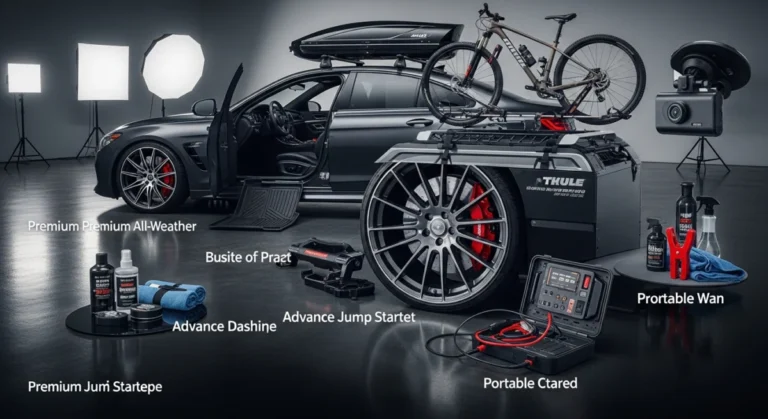
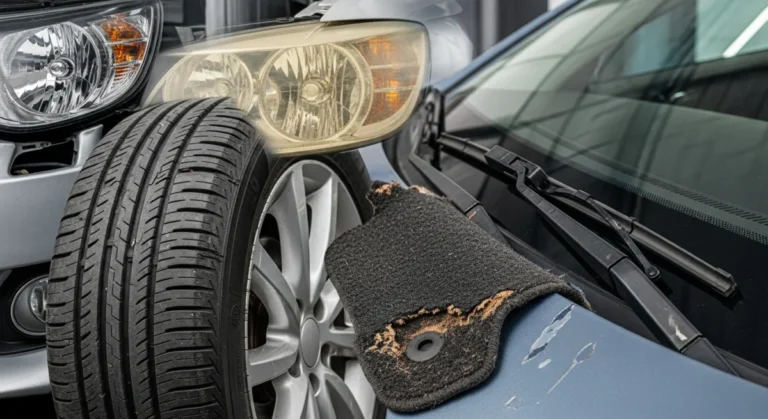
Roof racks are indispensable for outdoor enthusiasts, weekend adventurers, and anyone needing extra cargo space. They transform your vehicle into a versatile hauler, ready to carry everything from kayaks to camping gear. But, like any accessory exposed to the elements and heavy loads, roof racks come with potential damage risks. Ignoring these risks can lead to costly repairs, compromised safety, and even vehicle damage. This guide provides a comprehensive overview of these risks, offering insights on prevention, maintenance, and smart buying decisions to ensure your roof rack serves you reliably for years to come. Let’s dive in and explore how to protect your investment and your vehicle.
Understanding Roof Rack Damage Risks
Roof racks, while incredibly useful, are susceptible to various forms of damage. Understanding these vulnerabilities is the first step in mitigating them. The risks can stem from improper installation, overloading, environmental factors, and even the type of rack itself. Addressing these factors proactively will significantly reduce the chances of encountering problems.
Types of Roof Rack Damage
Several types of damage can affect roof racks and the vehicles they’re attached to. Here’s a breakdown:
- Scratches and Abrasions: Direct contact with branches, low overhangs, or even improperly secured cargo can cause scratches and abrasions to the rack itself and the vehicle’s roof.
- Dents and Deformations: Overloading or sudden impacts can lead to dents and deformations in the rack structure, affecting its integrity and load-bearing capacity. This is especially crucial to avoid on the vehicle’s roof as well.
- Corrosion: Exposure to rain, snow, and road salt can cause corrosion, particularly on metal components of the rack. This weakens the structure over time.
- Water Leaks: Improperly installed racks or damaged weather stripping can create pathways for water to enter the vehicle’s interior, leading to mold, mildew, and electrical issues.
- Damage to Vehicle Roof: This is perhaps the most serious risk. Excessive weight, poorly distributed loads, or incorrect installation can cause dents, scratches, or even structural damage to the vehicle’s roof.
- Loosening of Mounts: Vibrations and repetitive stress can cause the mounting hardware to loosen, potentially leading to the rack detaching from the vehicle. This is a safety hazard.
- Strap and Tie-Down Damage: Frayed, worn, or incorrectly secured straps can break, causing the cargo to shift or fall off.
Factors Contributing to Damage
Several factors contribute to roof rack damage. Being aware of these will help you proactively avoid potential problems.
- Overloading: Exceeding the roof rack’s weight capacity is a primary cause of damage. Always consult the manufacturer’s specifications and your vehicle’s manual.
- Improper Installation: A poorly installed rack puts undue stress on the vehicle’s roof and the rack components themselves. This includes using the wrong type of feet or torque values.
- Neglecting Maintenance: Failure to regularly inspect and maintain the rack, including tightening bolts and lubricating moving parts, accelerates wear and tear.
- Harsh Weather Conditions: Exposure to extreme temperatures, sunlight, and corrosive elements like road salt can degrade the rack’s materials over time.
- Improper Cargo Securing: Loose or poorly secured cargo can shift during transit, causing damage to the rack, the vehicle, and the cargo itself. It is also a major safety risk.
- Low Clearance Situations: Forgetting you have a roof rack can lead to impacts with low-hanging branches, parking garage ceilings, or other overhead obstructions.
Preventing Roof Rack Damage
Preventing roof rack damage is crucial for ensuring its longevity and your vehicle’s safety. Here’s a detailed guide to minimizing these risks.
Careful Installation
Proper installation is the foundation of a safe and reliable roof rack system.
- Read the Instructions: Always follow the manufacturer’s instructions meticulously. Don’t assume you know what you’re doing, even if you’ve installed racks before. Each model is different.
- Use the Right Tools: Employ the correct tools and torque specifications recommended by the manufacturer. Over-tightening or under-tightening bolts can be detrimental.
- Professional Installation: Consider professional installation, especially if you are unsure about any aspect of the process. A qualified technician has the experience and expertise to ensure proper installation.
- Inspect Mounting Points: Thoroughly inspect the vehicle’s roof and mounting points for any signs of damage or corrosion before installation. Address any issues before proceeding.
- Proper Feet and Pads: Ensure the rack feet and pads are compatible with your vehicle’s roof type. Incorrect feet can cause damage to the paint or roof structure.
Load Management and Distribution
Correctly managing and distributing the load on your roof rack is critical for preventing damage.
- Weight Limits: Never exceed the roof rack’s weight capacity or the vehicle’s roof load rating (consult your vehicle’s manual). These limits are in place for a reason.
- Even Distribution: Distribute the load evenly across the rack’s surface. Concentrate heavier items towards the center of the rack, close to the mounting points.
- Secure Cargo: Use high-quality straps, ropes, or tie-downs to securely fasten the cargo to the rack. Ensure that the load is stable and cannot shift during transit. Consider using specialized cargo carriers designed for roof racks.
- Regular Checks: Periodically check the tightness of the straps and the stability of the load during long trips. Vibration and wind resistance can cause the cargo to shift.
Maintenance and Care
Regular maintenance is essential for prolonging the life of your roof rack and preventing damage.
- Regular Inspections: Regularly inspect the rack for signs of wear, corrosion, or damage. Pay close attention to the mounting points, hardware, and load-bearing components.
- Tighten Hardware: Regularly tighten all bolts and fasteners. Use a torque wrench to ensure they are tightened to the manufacturer’s specifications.
- Lubrication: Lubricate moving parts, such as locks and hinges, with a suitable lubricant to prevent corrosion and ensure smooth operation.
- Cleaning: Wash the rack regularly with mild soap and water to remove dirt, road salt, and other contaminants. Rinse thoroughly and dry completely.
- UV Protection: Consider applying a UV protectant to plastic or rubber components to prevent cracking and fading from sun exposure.
- Storage: When not in use, store the roof rack in a dry, protected area to prevent corrosion and damage.
Awareness and Caution
Being mindful of your surroundings and taking precautions while driving with a roof rack can prevent accidents and damage.
- Height Awareness: Be aware of the added height of your vehicle with the roof rack installed. Pay attention to low-hanging branches, parking garage ceilings, and other overhead obstructions.
- Driving Habits: Adjust your driving habits to account for the added weight and wind resistance of the roof rack and cargo. Avoid sudden braking and sharp turns.
- Weather Conditions: Be extra cautious when driving in windy conditions. Strong crosswinds can put additional stress on the rack and cargo.
- Parking: Choose parking spots carefully, avoiding areas where the roof rack might be at risk of impact.
Essential FAQ
Here are some frequently asked questions about roof rack damage risks:
1. Can a roof rack damage my car’s paint? Yes, improperly installed racks or abrasive cargo can scratch or damage your car’s paint. Use protective pads and ensure the rack feet are compatible with your vehicle. 2. What happens if I overload my roof rack? Overloading can damage the rack itself, your vehicle’s roof, and create a safety hazard. The rack could bend, break, or even detach from the vehicle. 3. How often should I inspect my roof rack? Inspect your roof rack before each use and after any long trips or exposure to harsh conditions. 4. Can I use any type of strap to secure cargo? No, use high-quality straps or tie-downs specifically designed for securing cargo to roof racks. Avoid using worn or frayed straps. 5. Is it better to buy a more expensive roof rack? Not necessarily. Consider your needs and the quality of the materials. A more expensive rack might offer better features or durability, but a well-maintained, lower-priced rack can also be a good option. Prioritize racks from reputable brands.
Conclusion
Roof racks are valuable accessories that significantly expand a vehicle’s carrying capacity. However, understanding and mitigating the associated damage risks is crucial for ensuring their longevity and your safety. By following the guidelines outlined in this guide – including proper installation, load management, regular maintenance, and cautious driving – you can minimize the risk of damage and enjoy the benefits of your roof rack for years to come. Remember, a little preventative maintenance goes a long way in protecting your investment and ensuring safe travels.