Roof Rack Clips: The Unsung Heroes of Cargo Management
Let’s talk roof rack clips. Often overlooked, yet absolutely vital, these unassuming pieces of hardware are the linchpin connecting your valuable cargo to your vehicle’s roof. In a world where adventurers, families, and weekend warriors are increasingly reliant on extra storage space, understanding the nuances of roof rack clips can be the difference between a smooth journey and a roadside catastrophe. The global roof rack market is a multi-billion dollar industry, demonstrating the widespread need for reliable cargo solutions, and roof rack clips play a critical role in this market. Their functionality is quite simple, but their role can’t be overstated.
So, whether you’re hauling kayaks, bikes, skis, or luggage, getting to grips with roof rack clips is essential. This guide aims to arm you with the knowledge you need to choose, install, maintain, and troubleshoot these vital components.
Understanding Roof Rack Clips
What are Roof Rack Clips and How Do They Work?
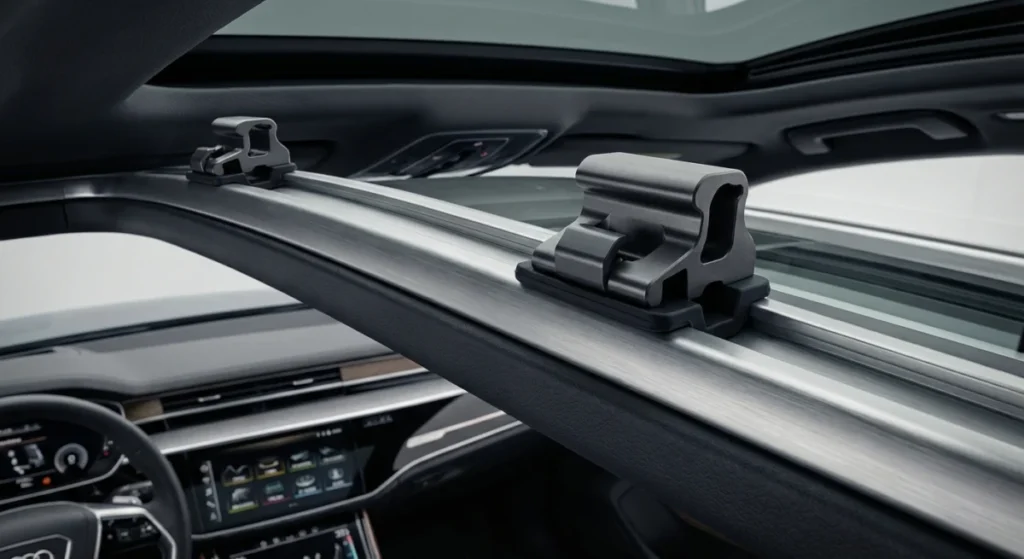
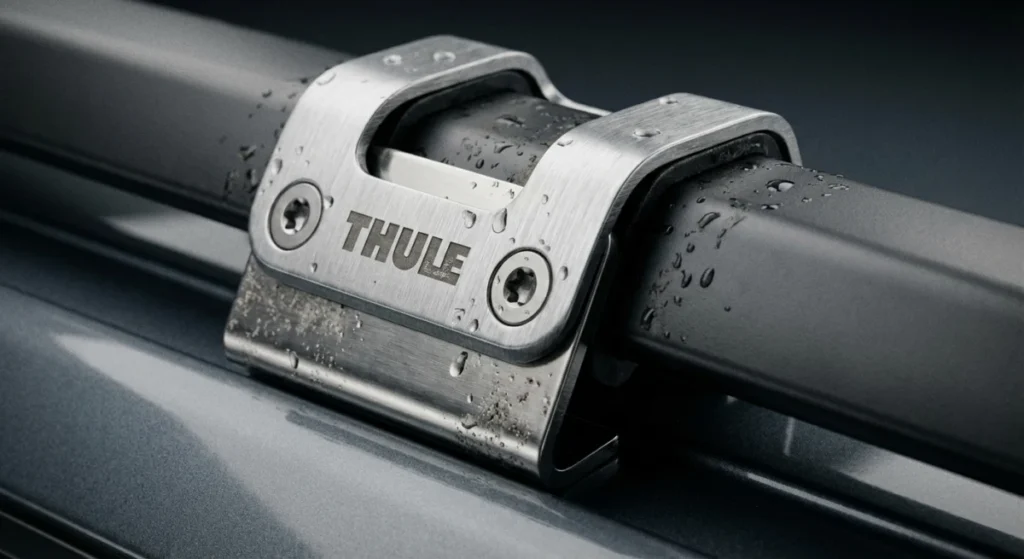
At their core, roof rack clips, sometimes referred to as roof rack fit kits or roof rack clamp systems, are specifically designed components that allow a universal roof rack system to securely attach to a vehicle’s unique roof profile. Vehicles come in a dazzling array of shapes and sizes, and very few have perfectly flat roofs ready to accept a generic rack. This is where the clip comes in.
Think of them as adaptors. They bridge the gap between the standardized mounting points (or lack thereof) on your car’s roof and the universal feet of your chosen roof rack. They primarily utilize the door frame, rain gutters, or existing factory mounting points as anchor locations.
The clips work by fitting snugly around these designated areas, often using rubber padding or plastic coatings to prevent scratching or damage to the vehicle’s paint. The roof rack’s feet then connect to the clips, creating a secure and stable platform for carrying cargo. The specific mechanism varies depending on the type of clip and the vehicle it’s designed for, but the underlying principle remains the same: to provide a reliable and damage-free attachment point.
Benefits and Key Features
Vehicle-Specific Fit: The primary benefit is a guaranteed fit for your specific make, model, and year of vehicle. Generic solutions often compromise on stability and safety. Damage Prevention: High-quality clips are designed with protective materials to prevent scratches, dents, or other damage to your vehicle’s paint or bodywork. Enhanced Security: When properly installed, vehicle-specific clips offer superior security compared to universal options, reducing the risk of cargo shifting or detaching during transit. Ease of Installation: Although some models are more complicated than others, most roof rack clips are designed for relatively straightforward installation, often requiring only basic tools. Improved Aesthetics: Well-designed clips integrate seamlessly with the vehicle’s roofline, providing a cleaner, more professional look. Weight Distribution: Properly designed clips contribute to even weight distribution across the roof, minimizing stress on any single point.
Key features to look for in a roof rack clip include:
- Material: High-strength steel, durable polymers, or a combination of both.
- Padding: Rubber or plastic coatings to protect the vehicle’s paint.
- Compatibility: Confirmed compatibility with your specific vehicle and roof rack system.
- Adjustability: Some clips offer adjustability to accommodate slight variations in roof profiles.
- Corrosion Resistance: Especially important if you live in an area with harsh weather conditions.
Installation Tips
Read the Instructions: This seems obvious, but it’s the most critical step. Each clip is different, and understanding the manufacturer’s instructions is paramount. Gather Your Tools: Make sure you have all the necessary tools before you begin. Typically, this will include a wrench, screwdriver, and possibly a torque wrench. Clean the Contact Points: Thoroughly clean the areas where the clips will make contact with the vehicle’s roof or door frame. This will ensure a secure and stable connection. Proper Positioning: Pay close attention to the correct positioning of the clips. Incorrect placement can compromise their effectiveness and potentially damage your vehicle. Torque Specifications: Use a torque wrench to tighten the bolts to the manufacturer’s specified torque. Over-tightening can damage the clips or the vehicle, while under-tightening can lead to them coming loose. Test the Installation: After installation, give the roof rack a firm shake to ensure it’s securely attached. You can also perform a short test drive at low speeds to check for any unusual noises or movement. Double-Check Regularly: After the initial install, make sure to double-check the tightness of the clips. It’s always a good habit to re-tighten bolts after the first few times of use, just to make sure nothing has shifted.
Maintenance and Care
Regular Inspections: Regularly inspect your roof rack clips for signs of wear, damage, or corrosion. Pay close attention to the padding, as it can degrade over time. Cleaning: Clean the clips regularly with a mild soap and water solution to remove dirt, grime, and road salt. Lubrication: Apply a thin layer of lubricant to the bolts and threads to prevent corrosion and ensure smooth operation. Storage: When not in use, store the clips in a dry and protected environment to prevent rust and damage. Replacement: Replace any damaged or worn clips immediately. Continuing to use damaged clips can compromise the safety of your cargo and potentially damage your vehicle.
Top Buying Factors
- Vehicle Compatibility: This is the non-negotiable factor. Ensure the clips are specifically designed for your vehicle’s make, model, and year.
- Roof Rack System Compatibility: Make sure the clips are compatible with your chosen roof rack system. Some clips are designed to work only with specific brands or models.
- Load Capacity: Consider the weight of the cargo you plan to carry and choose clips with an appropriate load capacity rating.
- Material Quality: Opt for clips made from high-quality materials that are durable, corrosion-resistant, and able to withstand the elements.
- Ease of Installation: Evaluate the complexity of the installation process and choose clips that you feel comfortable installing yourself, or be prepared to pay for professional installation.
- Brand Reputation: Choose clips from a reputable manufacturer with a proven track record of producing high-quality and reliable products.
- Customer Reviews: Read customer reviews to get insights into the real-world performance and durability of the clips.
- Price: While price shouldn’t be the sole determining factor, it’s important to consider your budget and compare the prices of different options.
- Warranty: Look for clips that come with a warranty, which can provide peace of mind in case of defects or premature failure.
Essential FAQs
Q: Can I use universal roof rack clips on my car? A: While some universal clips exist, they are generally not recommended. Vehicle-specific clips provide a much more secure and reliable fit, minimizing the risk of damage to your car and ensuring the safety of your cargo.
Q: How do I know which roof rack clips are compatible with my vehicle? A: Most manufacturers offer online compatibility guides or tools that allow you to enter your vehicle’s make, model, and year to find compatible clips. You can also consult with a roof rack specialist or refer to your vehicle’s owner’s manual.
Q: Can I install roof rack clips myself, or do I need professional installation? A: Many roof rack clips can be installed by DIYers with basic mechanical skills and tools. However, if you’re not comfortable with the installation process, it’s always best to seek professional installation to ensure proper fit and safety.
Q: How often should I check the tightness of my roof rack clips? A: It’s a good practice to check the tightness of your roof rack clips before each trip, especially long trips. You should also check them after driving on rough roads or in adverse weather conditions.
Q: What should I do if my roof rack clips are damaged? A: If your roof rack clips are damaged, replace them immediately. Continuing to use damaged clips can compromise the safety of your cargo and potentially damage your vehicle. Contact the manufacturer or a roof rack specialist to obtain replacement clips.
Conclusion
Roof rack clips may be small components, but they play a crucial role in the safe and secure transport of your gear. By understanding their function, benefits, and maintenance requirements, you can ensure that your roof rack system performs optimally and provides years of reliable service. Invest in quality clips, follow proper installation procedures, and maintain them diligently, and you’ll be well on your way to enjoying countless adventures with your gear securely in tow. Don’t overlook the seemingly insignificant; your peace of mind, and the safety of those around you, depends on it.