Roof rack bars. They might seem like simple accessories, but these unassuming components are the unsung heroes of weekend adventures, home improvement projects, and even everyday commutes. Millions of car owners rely on them daily, expanding their vehicle’s carrying capacity and unlocking a world of possibilities. However, choosing the right set of roof rack bars and understanding their proper usage is crucial for safety and performance. This guide will equip you with everything you need to know to navigate the world of roof rack bars like a seasoned expert.
What are Roof Rack Bars and How Do They Work?
A roof rack bar system provides a secure platform for carrying cargo on top of your vehicle. At its most basic, it consists of two or more crossbars that span the width of your vehicle’s roof. These crossbars attach to the vehicle through various mounting points, depending on the car’s design.
Mounting Systems Explained
The mounting system is the critical link between the bars and your vehicle. Here’s a breakdown of the most common types:
- Factory-Installed Rails: Many modern vehicles come equipped with raised side rails running along the length of the roof. The crossbars clamp or attach directly to these rails. This is often the simplest and most secure option.
- Fixed Mounting Points: Some cars have specific threaded holes or integrated mounting points hidden beneath removable panels on the roof. Roof rack bars designed for these vehicles will bolt directly into these points.
- Rain Gutters: Older vehicles often feature rain gutters running along the edge of the roof. Specialized clamps grip these gutters to provide a secure attachment point.
- Bare Roof: This is the most challenging scenario, as there are no existing mounting points. In this case, roof rack systems typically use clips that grip the door frame or the area where the roof meets the door jamb. These systems require careful installation and are often more susceptible to wind noise.
The crossbars themselves are designed to distribute weight evenly across the roof. They’re typically made from steel or aluminum, with aluminum being lighter and more corrosion-resistant. The shape of the crossbars also plays a role in aerodynamics and noise reduction.
Aerodynamics Matter
The shape of the crossbars significantly affects fuel efficiency and wind noise. Oval or airfoil-shaped bars are more aerodynamic than square bars, reducing drag and minimizing the whistling sound that can occur at higher speeds. While square bars are generally more economical, investing in aerodynamic bars can pay off in the long run through fuel savings and a more comfortable driving experience.
Benefits and Key Features of Roof Rack Bars
The primary benefit of roof rack bars is, of course, increased cargo capacity. But they offer much more than just extra space.
- Increased Carrying Capacity: Allows you to transport items that won’t fit inside your vehicle, such as luggage, camping gear, bikes, kayaks, skis, and building materials.
- Protecting Your Vehicle’s Interior: Keeps messy or bulky items outside, preventing damage and stains to your car’s interior.
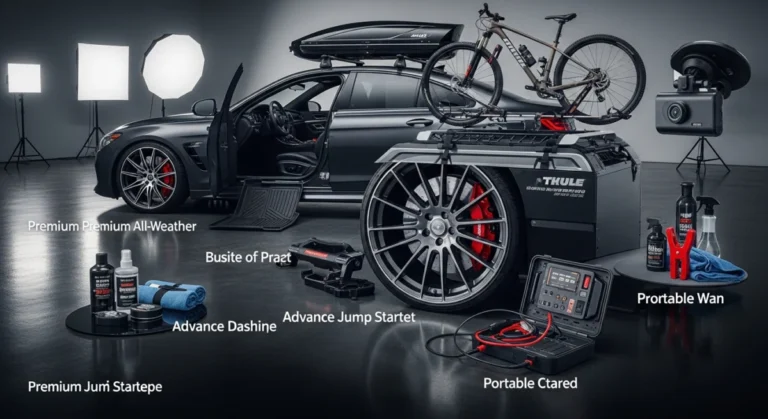
- Versatility: Provides a platform for a wide range of accessories, including bike racks, kayak carriers, ski carriers, cargo boxes, and roof tents.
- Organization: Helps you organize your gear and keep it secure during transport.
Key Features to Look For
- Weight Capacity: This is the maximum weight the roof rack bars can safely carry. Always check the manufacturer’s specifications and never exceed the recommended weight limit. Also, remember to factor in the weight of the rack itself, plus the weight of any accessories attached to the bars, such as bike or ski racks.
- Material: Aluminum is generally preferred for its lightweight and corrosion-resistant properties. Steel is stronger but heavier and more prone to rust.
- Aerodynamic Design: As mentioned earlier, aerodynamic bars reduce drag and wind noise.
- Locking Mechanism: A locking mechanism provides added security, preventing theft of the bars and any attached accessories.
- Compatibility: Ensure the roof rack bars are specifically designed for your vehicle’s make, model, and year. Universal fit racks exist, but vehicle-specific options are generally more secure and easier to install.
- T-Slots: Many modern roof rack bars feature T-slots, which are grooves that run along the length of the bar. These slots allow you to easily attach accessories using T-bolts or other compatible hardware. This provides a clean and secure mounting solution.
Installation Tips for Roof Rack Bars
Installation varies depending on the mounting system. Here are some general tips:
- Read the Instructions: Always thoroughly read and understand the manufacturer’s instructions before attempting installation.
- Gather Your Tools: Have all the necessary tools readily available, such as wrenches, screwdrivers, and torque wrenches.
- Protect Your Vehicle: Use masking tape or a protective cloth to prevent scratches to your vehicle’s paint.
- Follow Torque Specifications: When tightening bolts, use a torque wrench and follow the manufacturer’s recommended torque specifications. Over-tightening can damage the mounting points or the roof rack bars themselves.
- Double-Check: After installation, double-check that all connections are secure and that the roof rack bars are properly aligned.
- Professional Installation: If you’re unsure about any aspect of the installation process, consider having a professional install the roof rack bars for you.
For roof rack bars that clamp to the door frame, ensure the clips are properly positioned and tightened according to the manufacturer’s instructions. Pay close attention to the spacing between the bars and the tightness of the clamps.
Maintenance and Care of Your Roof Rack Bars
Proper maintenance will extend the life of your roof rack bars and ensure they continue to perform safely.
- Regular Cleaning: Wash the roof rack bars regularly with soap and water to remove dirt, grime, and road salt.
- Inspect for Damage: Periodically inspect the bars for any signs of damage, such as cracks, dents, or corrosion. Replace any damaged components immediately.
- Tighten Connections: Check the tightness of all connections regularly, especially after long trips or carrying heavy loads.
- Lubricate Moving Parts: Lubricate any moving parts, such as locks and hinges, with a silicone-based lubricant.
- Remove When Not in Use: While it’s not always practical, removing the roof rack bars when they’re not in use can help reduce wind noise and improve fuel efficiency. It also protects the bars from the elements.
- UV Protection: If you live in an area with strong sun exposure, consider applying a UV protectant to the bars to prevent fading and degradation.
Top Buying Factors for Roof Rack Bars
Choosing the right roof rack bars requires careful consideration of your needs and your vehicle. Here’s a summary of the key factors:
- Vehicle Compatibility: The most crucial factor. Verify the rack is designed for your specific make, model, and year.
- Weight Capacity: Choose a rack with a weight capacity that meets or exceeds your anticipated needs.
- Type of Cargo: Consider the type of cargo you’ll be carrying. Different racks are designed for different types of gear, such as bikes, kayaks, or cargo boxes.
- Frequency of Use: If you plan to use the roof rack frequently, invest in a high-quality, durable rack.
- Budget: Roof rack bars range in price from a few hundred dollars to over a thousand dollars. Set a budget and choose a rack that offers the best value for your money.
- Brand Reputation: Opt for a reputable brand known for quality and reliability. Thule, Yakima, Rhino-Rack, and SportRack are all well-regarded brands.
- Reviews: Read online reviews from other users to get an idea of the rack’s performance and durability.
- Accessories: Consider the availability of accessories, such as bike racks, kayak carriers, and cargo boxes. Choose a rack that is compatible with the accessories you plan to use.
- Aerodynamics and Noise: Remember the impact of shape! Pay attention to the shape of the bars and any claims about noise reduction.
- Ease of Installation: Evaluate how easy it is to install and remove the rack, especially if you plan to do it frequently.
Essential FAQs About Roof Rack Bars
- Q: Can I use any roof rack on any car?
- A: No. Compatibility is paramount. Use the manufacturer’s fit guide or consult with a professional to ensure the rack is designed for your specific vehicle. Using an incompatible rack can damage your vehicle and create a safety hazard.
- Q: How much weight can my roof rack bars carry?
- A: The weight capacity varies depending on the make and model of the rack. Always check the manufacturer’s specifications and never exceed the recommended weight limit. Remember to include the weight of the rack itself and any accessories.
- Q: Will roof rack bars damage my car’s paint?
- A: Improper installation or the use of an incompatible rack can damage your car’s paint. Use masking tape or a protective cloth during installation and regularly inspect the mounting points for wear.
- Q: How do I prevent my roof rack bars from being stolen?
- A: Choose roof rack bars with a locking mechanism. This will deter thieves and provide added security. Also, consider storing the bars inside when they’re not in use.
- Q: Are aerodynamic roof rack bars worth the extra cost?
- A: If you plan to use the roof rack frequently, aerodynamic bars are worth the investment. They reduce drag, improve fuel efficiency, and minimize wind noise. The fuel savings and improved driving experience can offset the higher cost over time.
Conclusion
Choosing and using roof rack bars effectively requires careful consideration of several factors, from compatibility and weight capacity to installation and maintenance. By understanding the principles outlined in this guide, you’re well-equipped to select the right roof rack bars for your needs and ensure a safe and enjoyable experience, whether you’re hauling camping gear, sporting equipment, or even just expanding your vehicle’s everyday carrying capabilities. Happy adventuring!