Roof racks: Insurance Considerations
Have you ever dreamed of road trips with kayaks strapped to your roof, skis towering above your SUV, or the convenience of carrying extra luggage without cramming your passengers? Roof racks offer an unparalleled expansion of your vehicle’s carrying capacity, transforming it into a veritable adventure-mobile. However, before you load up and hit the road, understanding the insurance implications of having a roof rack is absolutely crucial. A recent study showed that a significant percentage of drivers with roof racks are unaware of how their insurance policy covers them and their cargo. This article is your comprehensive guide to navigating the world of roof racks and ensuring you’re protected.
What is a Roof Rack and How Does it Work?
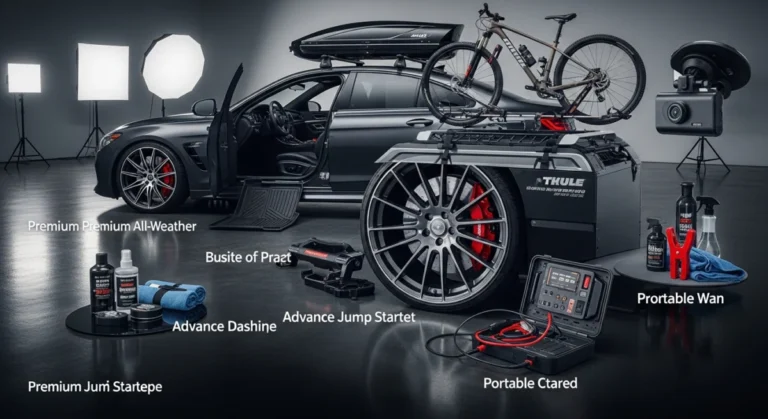
A roof rack is a set of bars secured to the roof of a vehicle, designed to carry bulky items such as luggage, bicycles, kayaks, skis, and cargo boxes. It essentially creates a platform above your car, allowing you to transport items that wouldn’t otherwise fit inside.
Types of Roof Racks
- Factory-Installed Racks: These racks are integrated into the vehicle’s design and are often included as a standard or optional feature. They typically have a lower weight capacity than aftermarket options.
- Aftermarket Racks: These are purchased separately and installed on your vehicle. They come in various styles, including:
- Side Rails: Run along the length of the roof and are used to attach crossbars.
- Crossbars: Span across the width of the roof and provide the main support for cargo.
- Fixed Point Racks: Attach to pre-existing mounting points on the vehicle’s roof.
- Rain Gutter Racks: Attach to the rain gutters (if present) along the roofline.
- Bare Roof Racks: Attach directly to the vehicle’s roof without existing mounting points, often using clamps.
How it Works: Load Distribution and Attachment
The effectiveness of a roof rack hinges on its ability to distribute the weight of the load evenly across the vehicle’s roof. This prevents damage and ensures stability. The attachment method varies depending on the type of rack and the vehicle. Fixed-point racks utilize threaded inserts in the roof, while bare roof racks use specialized clamps that grip the door frame. Side rails provide a secure base for crossbars, which then support the cargo. It’s crucial to adhere to the manufacturer’s weight limit to avoid accidents and damage.
Benefits and Key Features of Roof Racks
Roof racks offer a multitude of benefits, making them a valuable addition to any vehicle.
- Increased Cargo Capacity: The most obvious benefit is the ability to carry oversized items that won’t fit inside your vehicle.
- Versatility: Roof racks can accommodate a wide range of accessories, such as bike carriers, kayak racks, ski racks, and cargo boxes.
- Protection of Interior: By transporting items on the roof, you protect the interior of your vehicle from dirt, scratches, and potential damage.
- Comfort for Passengers: Frees up interior space, making the ride more comfortable for passengers.
- Improved Fuel Efficiency (potentially): While counterintuitive, using a properly designed and aerodynamic cargo box on a roof rack can sometimes improve fuel efficiency compared to carrying the same items inside the vehicle, where they might disrupt airflow.
Key Features to Consider
- Weight Capacity: Ensure the rack can handle the weight of your intended cargo.
- Aerodynamic Design: Reduces wind noise and drag, improving fuel efficiency.
- Durability: Choose a rack made from high-quality materials that can withstand the elements.
- Ease of Installation: Consider how easy the rack is to install and remove.
- Compatibility: Make sure the rack is compatible with your vehicle’s make and model.
- Locking Mechanisms: Provide security and prevent theft of the rack and cargo.
Installation Tips for Aftermarket Roof Racks
Installing an aftermarket roof rack can range from simple to complex, depending on the type of rack and your vehicle. Always refer to the manufacturer’s instructions for specific guidance.
- Read the Instructions Carefully: Before you begin, thoroughly read the installation manual.
- Gather the Necessary Tools: Ensure you have all the required tools, such as wrenches, screwdrivers, and measuring tapes.
- Protect Your Vehicle’s Paint: Use masking tape or a soft cloth to protect the paint around the mounting points.
- Properly Align the Rack: Carefully align the rack according to the instructions to ensure a secure fit.
- Tighten All Fasteners: Use a torque wrench to tighten all fasteners to the specified torque. Overtightening can damage the rack or your vehicle.
- Test the Rack: After installation, test the rack by applying moderate pressure to ensure it is securely attached.
- Double-Check: Re-check all bolts and connections after your first short drive.
Maintenance and Care of Your Roof Rack
Proper maintenance will extend the lifespan of your roof rack and ensure it performs optimally.
- Regular Cleaning: Wash the rack regularly with soap and water to remove dirt, grime, and road salt.
- Inspect for Damage: Periodically inspect the rack for any signs of damage, such as cracks, rust, or loose fasteners.
- Tighten Fasteners: Regularly check and tighten all fasteners to ensure they are secure.
- Lubricate Moving Parts: Lubricate any moving parts, such as hinges and locks, with a silicone-based lubricant.
- Store Properly: When not in use, store the rack in a dry place to prevent rust and corrosion.
Top Buying Factors for Roof Racks
Choosing the right roof rack involves several considerations to ensure it meets your needs and provides long-lasting performance.
- Vehicle Compatibility: This is paramount. Use the manufacturer’s fit guide to confirm compatibility.
- Load Capacity: Consider the weight of the heaviest items you plan to carry. Choose a rack with a sufficient weight capacity.
- Type of Cargo: Different types of cargo require specific accessories. Ensure the rack is compatible with the accessories you need.
- Frequency of Use: If you plan to use the rack frequently, invest in a high-quality, durable rack.
- Budget: Roof racks range in price from affordable to premium. Set a budget and choose a rack that meets your needs within that budget.
- Brand Reputation: Research different brands and read reviews to get an idea of their reputation for quality and reliability. Thule and Yakima are often mentioned as top brands, but other manufacturers offer excellent options as well.
- Ease of Installation/Removal: If you plan to remove the rack frequently, choose one that is easy to install and remove.
Insurance Considerations: Protecting Your Roof Rack and Cargo
This is the most critical aspect. Most auto insurance policies cover permanently attached aftermarket parts, like a professionally installed tow hitch. However, the coverage of roof racks – and especially the cargo they carry – isn’t always automatic or straightforward.
- Coverage for the Roof Rack Itself:
- Comprehensive Coverage: Typically covers damage to the roof rack caused by events like theft, vandalism, fire, or natural disasters. If your roof rack is damaged in a hailstorm, your comprehensive coverage should kick in (minus your deductible).
- Collision Coverage: Covers damage to the roof rack resulting from a collision with another vehicle or object. For instance, if you back into a low garage and damage your rack, collision would apply.
- Coverage for Cargo: This is where things get trickier.
- Personal Property Coverage (Homeowner’s/Renter’s Insurance): Often, items being transported on a roof rack are considered “personal property.” Your homeowner’s or renter’s insurance policy *might* cover the loss or damage of items being transported. However, these policies often have limitations on items away from your primary residence and might require a separate deductible.
- Specific Endorsements/Riders: For valuable items like expensive bikes or sporting equipment, consider a specific endorsement or rider to your homeowner’s or auto insurance policy. This provides dedicated coverage for those items, regardless of location or mode of transport.
- Liability:
- Damage to Third Parties: If your cargo comes loose from the roof rack and causes damage to another vehicle or injures someone, your auto liability coverage would likely apply. This covers the cost of repairs or medical bills for the other party.
- Important Questions to Ask Your Insurer:
- Is my roof rack automatically covered under my current policy?
- If so, what types of incidents are covered?
- Does my policy cover the cargo I am transporting on the roof rack?
- What are the coverage limits and deductibles?
- Would adding an aftermarket roof rack affect my premiums?
Essential FAQs About Roof Racks and Insurance
- Q: Will adding a roof rack increase my insurance premium?
- A: It *might*, but not always significantly. Some insurers consider roof racks a minor modification, while others may see them as increasing the vehicle’s overall value and potential risk. Always disclose the addition to your insurer.
- Q: What if my cargo falls off the roof rack and causes an accident?
- A: Your auto liability insurance would likely cover the damage to the other vehicle or any injuries sustained. However, you could be held liable for negligence if the cargo wasn’t properly secured.
- Q: Are factory-installed roof racks covered differently than aftermarket racks?
- A: Generally, factory-installed racks are automatically covered under your standard auto insurance policy. Aftermarket racks may require notification to your insurer.
- Q: Does my insurance cover theft of items from my roof rack?
- A: Potentially. This depends on your policy. Comprehensive coverage *might* cover theft of the roof rack itself, but cargo theft might fall under your homeowner’s/renter’s insurance.
- Q: What documentation should I keep for my roof rack and cargo?
- A: Keep receipts for the roof rack and any accessories. For valuable cargo, keep receipts, appraisals, or photographs as proof of value in case of loss or damage.
Conclusion
Roof racks are a fantastic way to expand your vehicle’s carrying capacity and open up a world of possibilities for outdoor adventures and everyday convenience. However, it’s crucial to understand the insurance implications of having a roof rack and transporting cargo on it. By carefully reviewing your insurance policy, asking the right questions, and taking steps to protect your roof rack and cargo, you can enjoy the benefits of a roof rack with peace of mind. Remember to always prioritize safety and follow the manufacturer’s instructions for installation and loading to minimize the risk of accidents and damage.