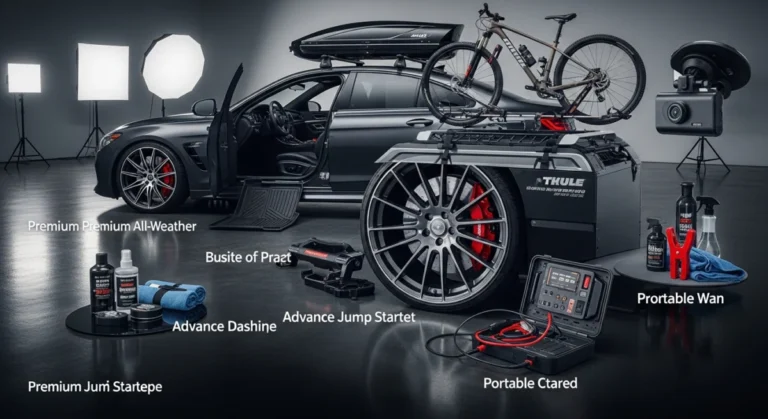
Let’s dive into the surprisingly complex world of roof rack aerodynamics. You might think strapping a box to the top of your car is harmless, but think again. Poorly designed or improperly installed roof racks can drastically impact your fuel economy, generate irritating wind noise, and even compromise vehicle handling. In fact, studies show that a poorly optimized roof rack setup can reduce fuel efficiency by as much as 25%! This comprehensive guide will break down the science behind roof rack aerodynamics, helping you make informed decisions to minimize drag and maximize your vehicle’s performance.
Understanding Roof Rack Aerodynamics
What is it / How it works
At its core, roof rack aerodynamics is all about managing airflow around your vehicle and its cargo. When air flows over a car, it naturally encounters resistance. This resistance is called drag, and it directly impacts fuel efficiency, noise levels, and even stability. A roof rack, especially one with bulky accessories, significantly increases the surface area interacting with this airflow, creating more drag.
Think of it like this: air wants to flow smoothly around your car. A standard, sleek vehicle design is optimized for this. Now, introduce a boxy roof rack or a kayak carrier. The air slams into these obstructions, creating turbulence and disrupting the smooth flow. This turbulent air creates a low-pressure zone behind the rack, essentially “pulling” the car backward and increasing drag.
If you’re planning to carry enclosed luggage instead of open gear, our guide to roof box aerodynamics shows how a cargo box changes drag, noise, and fuel use in a slightly different way.
Therefore, aerodynamic roof racks are designed to minimize this disruption. They achieve this through several key features:
- Streamlined Shapes: Rounded bars and fairings are designed to gently deflect air rather than abruptly blocking it.
- Low Profiles: Keeping the rack close to the roof minimizes the gap where turbulent air can form.
- Wind Fairings: These deflectors redirect airflow over the rack, reducing the size of the low-pressure zone behind it.
- Airfoil Designs: Some bars are shaped like airplane wings (airfoils) to generate lift or reduce drag.
The goal is always to keep the airflow as laminar (smooth and layered) as possible. The more turbulent the flow, the more drag is created.
Benefits and Key Features
Investing in an aerodynamically designed roof rack offers several compelling benefits:
- Improved Fuel Economy: Reducing drag directly translates to better gas mileage. Over long trips, this can save you a significant amount of money.
- Reduced Wind Noise: A streamlined rack minimizes turbulence, resulting in a quieter cabin experience, especially at highway speeds. No more annoying whistling or roaring sounds!
- Enhanced Vehicle Handling: Excessive drag can affect the car’s stability, especially in crosswinds. An aerodynamic rack minimizes this impact, improving handling and control.
- Sleek Aesthetics: Modern aerodynamic roof racks often boast a stylish and integrated design, complementing the look of your vehicle.
- Versatility: Many aerodynamic racks are compatible with a wide range of accessories, allowing you to carry bikes, kayaks, skis, cargo boxes, and more.
Key features to look for in an aerodynamic roof rack include:
- T-Slots: These slots allow for easy and secure attachment of accessories without the need for cumbersome straps.
- Integrated Fairings: Some racks have built-in wind fairings for a seamless and aerodynamic look.
- Adjustable Bar Placement: The ability to adjust the bar spacing allows you to optimize the rack for different loads and vehicle types.
- Durable Materials: Look for racks made from high-quality aluminum or steel for long-lasting performance.
- Locking Mechanisms: Ensure the rack and accessories can be securely locked to prevent theft.
Installation Tips
Proper installation is crucial for maximizing the aerodynamic benefits of your roof rack. Here are some essential tips:
- Follow the Manufacturer’s Instructions: This seems obvious, but it’s the most important step. Pay close attention to torque specifications and mounting locations.
- Ensure Proper Bar Spacing: The recommended bar spacing will vary depending on the rack and the load you’re carrying. Refer to the manufacturer’s guidelines.
- Tighten All Hardware Securely: Loose hardware can create noise and vibration, and it can also compromise the rack’s stability.
- Use a Torque Wrench: Over-tightening bolts can damage the rack or your vehicle’s roof. A torque wrench ensures proper tightening.
- Consider a Professional Installation: If you’re not comfortable installing the rack yourself, consider having it professionally installed.
- Test the Rack Before Loading Cargo: Drive at varying speeds to check for any unusual noises or vibrations.
Maintenance and Care
Proper maintenance will extend the life of your roof rack and ensure it continues to perform optimally:
- Regular Cleaning: Wash the rack regularly with soap and water to remove dirt, grime, and insects.
- Inspect for Damage: Regularly inspect the rack for any signs of damage, such as cracks, dents, or corrosion.
- Lubricate Moving Parts: Lubricate any moving parts, such as locks and hinges, with a silicone-based lubricant.
- Tighten Loose Hardware: Periodically check all hardware to ensure it’s still properly tightened.
- Remove the Rack When Not in Use: Removing the rack when you’re not using it will reduce drag and improve fuel economy.
- Store the Rack Properly: When storing the rack, keep it in a dry and protected location.
Top Buying Factors
Choosing the right aerodynamic roof rack can be overwhelming. Here’s what to consider:
- Vehicle Compatibility: Ensure the rack is specifically designed for your vehicle’s make and model. Use the manufacturer’s fit guide.
- Load Capacity: Determine the maximum weight you’ll be carrying and choose a rack with an appropriate load capacity.
- Accessory Compatibility: Consider the types of accessories you’ll be using (bike carriers, kayak carriers, cargo boxes, etc.) and ensure the rack is compatible with them.
- Aerodynamic Design: Look for racks with streamlined shapes, low profiles, and integrated fairings.
- Build Quality: Choose a rack made from durable materials that can withstand the elements.
- Price: Aerodynamic roof racks can range in price from a few hundred dollars to over a thousand dollars. Set a budget and find a rack that meets your needs within that budget.
- User Reviews: Read online reviews to get insights from other users about the rack’s performance, durability, and ease of use.
- Brand Reputation: Stick with reputable brands that have a proven track record of producing high-quality roof racks.
Essential FAQ
Here are some frequently asked questions about roof rack aerodynamics:
Q: Does an aerodynamic roof rack really make a difference in fuel economy?
A: Yes, absolutely. While the exact impact will vary depending on the vehicle, rack design, and driving conditions, an aerodynamic rack can definitely improve fuel economy compared to a standard rack. Expect a potential improvement ranging from 1-5 MPG.
Q: Are wind fairings worth the investment?
A: Yes, a wind fairing is a worthwhile investment. It significantly reduces wind noise and drag by redirecting airflow over the rack. Even a basic fairing can make a noticeable difference.
Q: Can I make my existing roof rack more aerodynamic?
A: Yes, there are things you can do. Adding a wind fairing is the most effective. You can also minimize drag by removing the rack when it’s not in use and by carefully arranging cargo to reduce wind resistance.
Q: What’s the difference between round, square, and aerodynamic roof rack bars?
A: Round and square bars create more drag than aerodynamic bars. Aerodynamic bars, with their streamlined shapes, are designed to minimize turbulence and improve fuel economy. Square bars are the noisiest, and round bars tend to create more drag than aerodynamic bars but less than square.
Q: How do I choose the right size wind fairing for my roof rack?
A: Measure the width of your roof rack bars and choose a wind fairing that is slightly wider than the bars. This will ensure that the fairing effectively deflects air over the entire rack.
Conclusion
And if this setup is part of a bigger road-trip rig or vehicle change, use our auto loan calculator to keep the monthly number in view.
Investing in an aerodynamic roof rack is a smart decision for anyone who frequently carries cargo on their vehicle. Not only will it improve fuel economy and reduce wind noise, but it will also enhance vehicle handling and potentially improve your vehicle’s aesthetics. By understanding the principles of roof rack aerodynamics and carefully considering the factors outlined in this guide, you can choose a rack that meets your needs and maximizes your vehicle’s performance. Happy hauling!