Roof rack accessories: Unlock your vehicle’s carrying potential
Did you know that the global roof rack market is projected to reach billions of dollars in the next few years? This isn’t just about throwing a suitcase on top of your car anymore. Roof rack accessories have revolutionized how we transport gear, opening up a world of possibilities for outdoor adventures, DIY projects, and even everyday tasks. But with so many options available, choosing the right accessories can be overwhelming. This guide will equip you with the knowledge you need to select the perfect roof rack accessories to maximize your vehicle’s carrying capacity and make your life easier.
Understanding Roof Rack Accessories
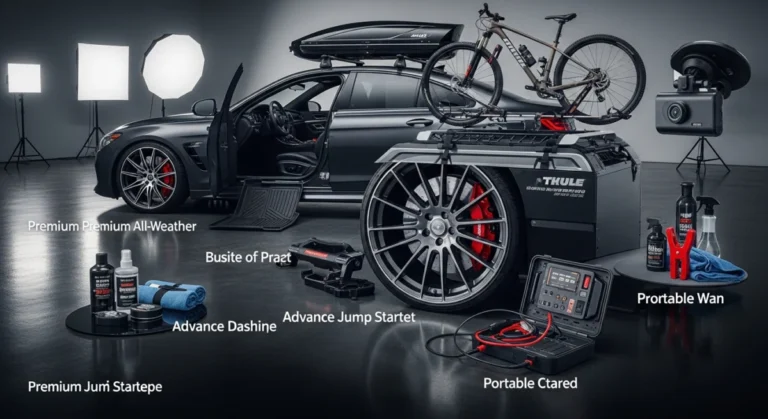
Roof rack accessories are add-ons designed to enhance the functionality and versatility of your base roof rack system. They transform a basic rack into a specialized carrying solution for everything from kayaks and bikes to cargo boxes and lumber.
What are Roof Rack Accessories / How They Work
Essentially, these accessories attach to the crossbars (the horizontal bars running across your roof) or the side rails (the vertical bars running along the length of your roof) of your roof rack. They provide a secure and specialized platform for carrying specific types of cargo. Think of them as specialized cradles, clamps, and platforms tailored to different needs. Most accessories utilize a clamping mechanism or a T-slot mounting system to securely attach to the roof rack. The clamping systems wrap around the crossbars and tighten, while T-slot systems use bolts that slide into a channel on the crossbar.
Benefits and Key Features
Increased Cargo Capacity: The primary benefit is obviously increased cargo capacity. You’re no longer limited to what fits inside your vehicle. Specialized Transport: Accessories allow you to safely and securely transport items that wouldn’t otherwise fit, such as kayaks, bicycles, skis, or lumber. Protection of Vehicle Interior: By carrying bulky or dirty items on the roof, you protect the interior of your car from damage and grime. Improved Aerodynamics: While it may seem counterintuitive, some accessories, like cargo boxes, are designed to improve aerodynamics compared to simply strapping items directly to the roof. Organization: Many accessories, like cargo bags and baskets, help organize your gear and prevent it from shifting during transport.
Key features to consider include:
- Load Capacity: Ensure the accessory can handle the weight of your intended cargo. Never exceed the weight limits of your roof rack or the accessory.
- Material: Look for durable, weather-resistant materials like aluminum, steel, or UV-resistant plastics.
- Security: Consider accessories with locking mechanisms to deter theft.
- Adjustability: Adjustable features allow you to accommodate different sizes and shapes of cargo.
- Ease of Installation: Opt for accessories that are easy to install and remove, especially if you plan to switch between them frequently.
Installation Tips
Read the Instructions: Always consult the manufacturer’s instructions before attempting to install any roof rack accessory. Torque Specifications: Use a torque wrench to tighten fasteners to the specified torque. Overtightening can damage the accessory or the roof rack. Proper Alignment: Ensure the accessory is properly aligned before tightening any fasteners. Misalignment can cause vibration and noise during transport. Test Fit: After installation, perform a test fit with your cargo to ensure it is secure and properly positioned. Seek Professional Help: If you are unsure about any aspect of the installation process, consult a professional installer.
Maintenance and Care
- Regular Cleaning: Clean your roof rack accessories regularly with soap and water to remove dirt, debris, and salt.
- Lubrication: Lubricate moving parts, such as hinges and locks, with a silicone-based lubricant.
- Inspection: Inspect your accessories regularly for signs of wear and tear, such as cracks, corrosion, or loose fasteners.
- Storage: When not in use, store your accessories in a dry, protected location. UV exposure can degrade plastic components over time.
- Tighten Regularly: Periodically check and tighten all fasteners to ensure they remain secure.
Top Buying Factors
- Compatibility: The most crucial factor! Ensure the accessory is compatible with your specific roof rack and vehicle. Check the manufacturer’s fit guide.
- Intended Use: Consider what you will primarily be carrying. This will dictate the type of accessory you need (e.g., bike carrier, kayak carrier, cargo box).
- Budget: Roof rack accessories range in price from relatively inexpensive to quite expensive. Set a budget and stick to it.
- Quality and Durability: Invest in high-quality accessories that are built to last. Cheap accessories may fail under stress, putting your cargo and vehicle at risk.
- Reviews: Read online reviews from other users to get an idea of the accessory’s performance and reliability.
- Warranty: Choose accessories with a good warranty. This provides peace of mind and protection against defects.
Types of Roof Rack Accessories
This section breaks down the most popular types of roof rack accessories.
Cargo Boxes
What is it / How it works
Cargo boxes are enclosed containers that attach to your roof rack, providing a secure and weather-resistant space for luggage, camping gear, and other bulky items. They come in various sizes and shapes, and are typically made from durable ABS plastic.
Benefits and Key Features
Weather Protection: Keeps your gear dry and protected from the elements. Security: Offers a secure, lockable storage space. Aerodynamics: Many models are designed to minimize wind resistance and noise. Organization: Keeps your gear organized and prevents it from shifting during transport.
Bike Carriers
What is it / How it works
Bike carriers allow you to transport bicycles on your roof. There are several types, including:
- Fork-Mount Carriers: The front fork of the bike attaches to the carrier, requiring you to remove the front wheel.
- Wheel-On Carriers: The entire bike is secured to the carrier, without removing any wheels.
- Frame-Mount Carriers: The bike frame is clamped to the carrier. (Less popular due to potential frame damage.)
Benefits and Key Features
Frees Up Interior Space: Allows you to transport bikes without taking up valuable interior space. Secure Transport: Provides a secure and stable platform for transporting bikes. Variety of Options: Available in various styles to suit different bikes and budgets.
Kayak and Canoe Carriers
What is it / How it works
These carriers are designed to safely transport kayaks and canoes on your roof. Options include:
- J-Cradles: Hold the kayak on its side, saving space on the roof.
- Saddle Carriers: Support the kayak on its hull.
- Roller Systems: Make it easier to load and unload kayaks.
Benefits and Key Features
Specialized Support: Provides proper support and prevents damage to kayaks and canoes. Easy Loading: Many models feature loading aids to simplify the process. Secure Attachment: Keeps your kayak or canoe securely attached to the roof rack.
Ski and Snowboard Carriers
What is it / How it works
Ski and snowboard carriers are designed to securely transport skis and snowboards on your roof. They typically feature clamps that hold the skis or snowboards in place.
Benefits and Key Features
Protects Equipment: Keeps skis and snowboards protected from damage during transport. Convenient Transport: Allows you to transport skis and snowboards without taking up interior space. Secure Storage: Provides a secure and lockable storage space.
Roof Baskets
What is it / How it works
Roof baskets are open-top platforms that attach to your roof rack, providing a versatile space for carrying cargo. They are ideal for carrying bulky items like camping gear, luggage, and lumber.
Benefits and Key Features
Versatility: Can be used to carry a wide variety of cargo. Easy Loading: Open-top design makes it easy to load and unload cargo. Tie-Down Points: Provide ample tie-down points for securing your cargo.
Essential FAQs
Q: How do I know if a roof rack accessory will fit my vehicle? A: Consult the manufacturer’s fit guide. Most manufacturers have online tools that allow you to enter your vehicle’s year, make, and model to determine compatibility.
Q: What is the weight limit of my roof rack? A: The weight limit is specified by the roof rack manufacturer. Consult the owner’s manual or the manufacturer’s website. *Never exceed the weight limit.*
Q: Can I use any type of strap to secure cargo to my roof rack? A: No. Use only high-quality ratchet straps or cam straps that are specifically designed for securing cargo. Avoid using bungee cords, as they can stretch and break.
Q: How often should I inspect my roof rack and accessories? A: Inspect your roof rack and accessories before each trip, and after any significant impact.
Q: Are roof rack accessories universal? A: While some accessories offer a degree of adjustability, most are designed to fit specific types of roof racks and crossbars. Always check compatibility before purchasing.
Conclusion
Investing in the right roof rack accessories can transform your vehicle into a versatile cargo-carrying machine. By understanding the different types of accessories available, their benefits, and key features, you can make an informed decision and choose the perfect accessories to suit your needs. Remember to prioritize compatibility, quality, and safety. With the right roof rack accessories, you can unlock your vehicle’s full potential and enjoy hassle-free transport of your gear, wherever your adventures take you.