Roof boxes: Your Ultimate Guide to Extra Storage on Long Journeys
Tired of cramming your car with luggage, leaving barely any space for passengers on those epic road trips? You’re not alone. Studies show that over 60% of drivers experience storage limitations during long journeys. But what if you could effortlessly add valuable cargo space without sacrificing passenger comfort? The answer lies in a roof box, also known as a cargo carrier or rooftop carrier. This guide will provide an in-depth look at roof boxes, ensuring you make the right choice for your needs and have a hassle-free travel experience.
What is a Roof Box and How Does it Work?
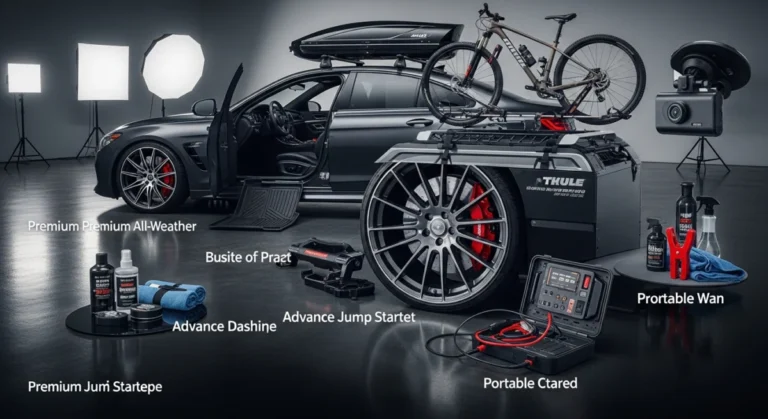
A roof box is an aerodynamic container designed to be mounted on the roof of a vehicle, providing additional storage space for luggage, sporting equipment, and other bulky items. It essentially acts as an extension of your car’s trunk.
How it Works
Roof boxes attach to your vehicle’s roof rack system, which typically consists of crossbars running perpendicular to the car’s roof. The box is then secured to these crossbars using various clamping mechanisms. Once properly installed, the box is locked, protecting your belongings from the elements and potential theft. The aerodynamic design minimizes wind resistance, although some impact on fuel economy is unavoidable.
Benefits and Key Features of Roof Boxes
Investing in a roof box offers numerous advantages for long-distance travelers.
Maximized Storage Space
This is the primary benefit. Roof boxes significantly increase your vehicle’s cargo capacity, allowing you to bring along more gear without overcrowding the passenger compartment. You can carry suitcases, camping equipment, skis, snowboards, strollers, and more.
Improved Passenger Comfort
By relocating luggage to the roof, you free up valuable space inside the car, resulting in a more comfortable and enjoyable ride for passengers, especially on long drives. No more knees bumping into overflowing bags!
Enhanced Safety
Properly secured cargo in a roof box reduces the risk of items shifting or becoming projectiles during sudden stops or accidents. This enhances the safety of both passengers and other road users.
Weather Protection
Most roof boxes are constructed from durable, weather-resistant materials, such as ABS plastic or high-density polyethylene. This protects your belongings from rain, snow, dust, and UV rays, keeping them clean and dry throughout your journey.
Security
Roof boxes typically feature locking mechanisms to deter theft. This provides peace of mind when leaving your vehicle unattended, especially in unfamiliar locations.
Aerodynamic Design
Modern roof boxes are designed with aerodynamics in mind, minimizing wind resistance and noise. While some impact on fuel economy is inevitable, well-designed boxes minimize this effect.
Key Features to Look For
- Size and Capacity: Measured in liters or cubic feet. Choose a size that suits your needs and the dimensions of your vehicle.
- Material: ABS plastic is common, offering a good balance of durability and affordability. High-density polyethylene is more robust and impact-resistant.
- Opening Mechanism: Dual-sided opening allows access from either side of the vehicle. Single-sided opening is more common.
- Locking System: Look for secure, multi-point locking systems for enhanced security.
- Mounting System: Easy-to-use mounting systems simplify installation and removal.
- Aerodynamic Profile: A streamlined design reduces wind resistance and noise.
- Weight Capacity: Ensure the box can handle the weight of your intended cargo.
Roof Box Installation Tips
Installing a roof box is typically a straightforward process, but it’s crucial to follow the manufacturer’s instructions carefully.
Preparation
- Read the Manual: Familiarize yourself with the specific instructions for your roof box model.
- Gather Tools: Ensure you have all the necessary tools, such as wrenches, screwdrivers, and measuring tape.
- Assess Your Roof Rack: Make sure your vehicle’s roof rack is compatible with the roof box and properly installed.
Installation Steps
1. Position the Box: Carefully lift the roof box onto the roof rack. Get a friend to help, especially with larger boxes. 2. Center the Box: Center the box on the roof rack and ensure it’s positioned according to the manufacturer’s guidelines. 3. Attach the Clamps: Use the provided clamps or mounting hardware to secure the box to the crossbars. Ensure the clamps are tightened evenly and securely. 4. Check Stability: Double-check that the box is firmly attached and doesn’t wobble or shift. 5. Lock the Box: Once the box is securely mounted, lock it to prevent unauthorized access.
Important Safety Notes:
- Always follow the manufacturer’s weight limits for both the roof box and the vehicle’s roof rack.
- Distribute weight evenly inside the box to maintain stability.
- Secure loose items inside the box to prevent them from shifting during transit.
- Check the box’s security periodically during long journeys.
- Be aware of the increased height of your vehicle when driving under bridges or through parking garages.
Maintenance and Care of Your Roof Box
Proper maintenance and care will extend the lifespan of your roof box and keep it in optimal condition.
Cleaning
- Regularly clean the roof box with mild soap and water to remove dirt, grime, and road salt.
- Avoid using abrasive cleaners or harsh chemicals, as they can damage the finish.
- Rinse thoroughly with clean water and allow to air dry.
Storage
- When not in use, store the roof box in a dry, protected location, such as a garage or shed.
- Cover the box with a tarp or protective cover to prevent dust and damage.
- Store the box on its side to save space.
Inspection
- Regularly inspect the roof box for any signs of damage, such as cracks, dents, or loose hardware.
- Repair any damage promptly to prevent further deterioration.
- Check the locking mechanism to ensure it’s functioning properly.
Troubleshooting Common Issues:
- Water Leaks: Check the seals around the lid and any openings for damage. Replace damaged seals as needed.
- Difficulty Opening/Closing: Lubricate the hinges and locking mechanism with silicone-based lubricant.
- Excessive Wind Noise: Ensure the box is properly aligned and secured to the roof rack. Check for any gaps or openings that could be causing turbulence.
Top Buying Factors to Consider
Choosing the right roof box involves careful consideration of several factors.
Vehicle Compatibility
Ensure the roof box is compatible with your vehicle’s roof rack system. Check the manufacturer’s specifications for compatibility information. Some vehicles require specific crossbar types or adapters.
Size and Capacity
Select a size and capacity that meets your storage needs without being excessively large or cumbersome. Consider the types of items you’ll be carrying and the number of passengers in your vehicle.
Material and Durability
Choose a roof box made from durable, weather-resistant materials that can withstand the rigors of travel. ABS plastic and high-density polyethylene are common choices.
Aerodynamics
Opt for a roof box with a streamlined, aerodynamic design to minimize wind resistance and noise. Look for features such as a low profile and integrated spoilers.
Ease of Installation
Select a roof box with an easy-to-use mounting system that simplifies installation and removal. Quick-release clamps and tool-free installation are desirable features.
Security
Prioritize roof boxes with secure locking mechanisms to deter theft. Look for multi-point locking systems and tamper-resistant designs.
Price
Roof box prices vary depending on size, features, and brand. Set a budget and compare different models to find the best value for your money.
Brand reputation
Consider established brands known for quality and reliability, like Thule, Yakima, and Inno. Read online reviews to get insights from other users.
Essential FAQs About Roof Boxes
Here are some frequently asked questions about roof boxes:
Q: Will a roof box affect my car’s fuel economy?
A: Yes, a roof box will typically reduce fuel economy due to increased wind resistance. However, the impact can be minimized by choosing an aerodynamic model and driving at moderate speeds.
Q: Are roof boxes difficult to install?
A: Most roof boxes are relatively easy to install, especially those with quick-release mounting systems. However, it’s essential to follow the manufacturer’s instructions carefully and ensure the box is securely attached to the roof rack.
Q: Can I leave a roof box on my car all the time?
A: While you can leave a roof box on your car all the time, it’s generally recommended to remove it when not in use to minimize wind resistance and improve fuel economy.
Q: Are roof boxes waterproof?
A: Most roof boxes are water-resistant, providing protection from rain and snow. However, they may not be completely waterproof in extreme conditions. Consider using waterproof bags inside the box for sensitive items.
Q: What is the maximum weight I can put in a roof box?
A: The maximum weight capacity of a roof box varies depending on the model and the vehicle’s roof rack. Always follow the manufacturer’s weight limits and distribute weight evenly inside the box.
Conclusion
A roof box is a valuable investment for anyone who frequently embarks on long trips or needs extra storage space for their vehicle. By carefully considering your needs and the factors outlined in this guide, you can choose the perfect roof box to enhance your travel experience and enjoy a more comfortable and convenient journey. Remember to prioritize safety, proper installation, and regular maintenance to ensure your roof box provides years of reliable service. Happy travels!