Whether you’re embarking on a family road trip, hitting the slopes for a weekend getaway, or simply need extra space for your camping gear, the dilemma of roof box vs. roof rack is one that many vehicle owners face. Both offer solutions for hauling more cargo, but understanding their distinct characteristics, benefits, and drawbacks is crucial for making the right choice. Let’s dive into a detailed comparison, helping you decide which option best suits your needs and lifestyle.
Roof Box: The Enclosed Cargo Carrier
What is a Roof Box / How it Works
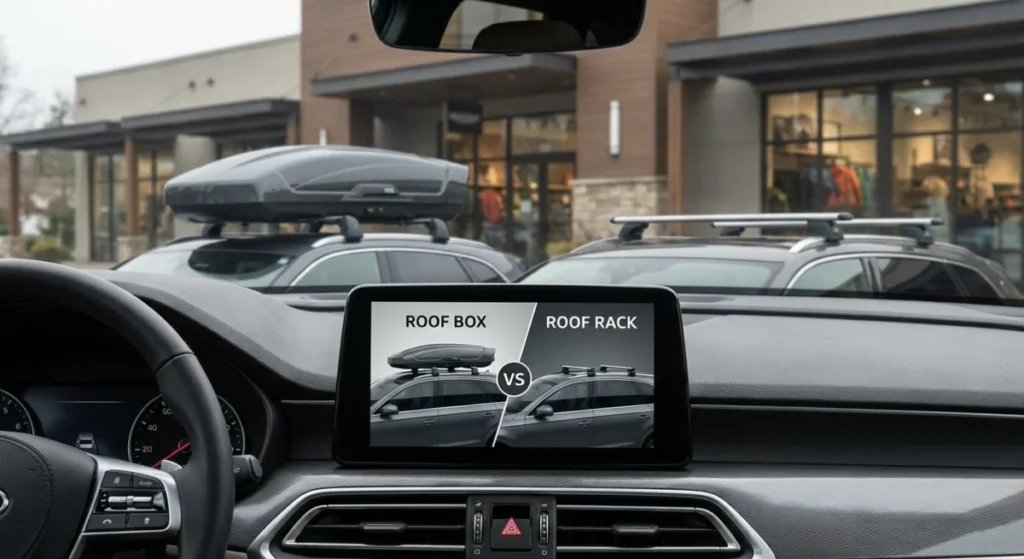
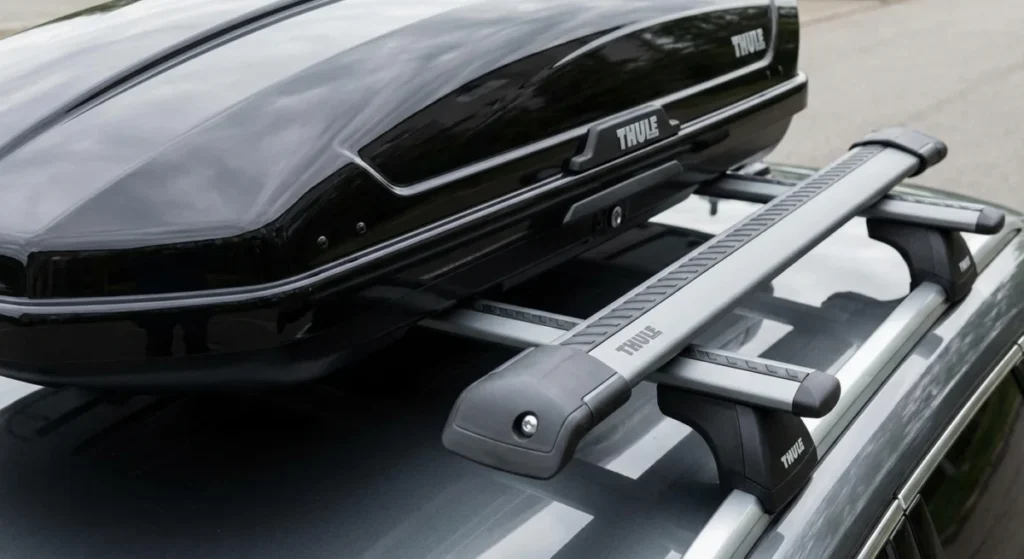
A roof box, also known as a cargo box or roof pod, is an enclosed container designed to mount on your vehicle’s roof. It provides a secure and weather-resistant space for transporting luggage, sporting equipment, and other bulky items. Roof boxes typically attach to existing roof rack crossbars using clamps or mounting hardware specific to the box design. Most boxes have a hinged lid, often with locking mechanisms, allowing for easy loading and unloading.
Benefits and Key Features
Roof boxes boast a range of advantages:
- Weather Protection: This is perhaps the most significant benefit. Your cargo is shielded from rain, snow, dust, and road debris.
- Security: Most roof boxes feature locking systems, deterring theft and providing peace of mind when leaving your vehicle unattended.
- Aerodynamics: While adding some drag, roof boxes are generally designed to be more aerodynamic than open cargo, potentially impacting fuel economy less than a loaded roof rack. Higher-end models often feature wind-tunnel-tested designs for optimal efficiency.
- Organization: The enclosed space makes it easier to keep your belongings organized and prevent items from shifting during transit.
- Capacity: Roof boxes come in various sizes and volumes, measured in cubic feet or liters, allowing you to choose a box that fits your specific needs.
- Variety: You can find roof boxes that specifically accommodate skis, snowboards, or other sporting equipment.
Installation Tips
- Read the Instructions: Always consult the manufacturer’s instructions for your specific roof box model. Installation procedures can vary.
- Check Crossbar Compatibility: Ensure your roof rack crossbars are compatible with the roof box’s mounting system. Consider the crossbar’s load capacity.
- Proper Positioning: Center the roof box on your crossbars for balanced weight distribution. Position it far enough back to avoid interference with the tailgate or hatch.
- Secure Mounting: Double-check that all clamps or mounting hardware are securely fastened. Use a torque wrench if recommended by the manufacturer.
- Test Drive: Before embarking on a long trip, take a short test drive to ensure the roof box is properly installed and doesn’t produce excessive noise or vibration.
Maintenance and Care
- Regular Cleaning: Wash the roof box periodically with mild soap and water to remove dirt and grime.
- UV Protection: Apply a UV protectant spray or wax to prevent fading and cracking caused by sun exposure.
- Hardware Inspection: Regularly inspect the mounting hardware for signs of wear or corrosion. Tighten any loose bolts.
- Lock Maintenance: Lubricate the locking mechanism with a silicone-based lubricant to prevent sticking or freezing.
- Proper Storage: When not in use, store the roof box in a dry, sheltered location to prevent damage.
Top Buying Factors
- Size and Capacity: Consider the amount of cargo you typically need to carry. Choose a box with sufficient volume but avoid going too large, which can negatively impact fuel economy and handling.
- Weight Capacity: Check the roof box’s maximum weight capacity and ensure it doesn’t exceed your vehicle’s roof load rating.
- Aerodynamics: Look for a box with a streamlined design and features that minimize wind resistance.
- Security Features: Opt for a box with a robust locking system to deter theft. Some boxes offer key-alike systems, allowing you to use the same key for multiple Thule or Yakima products, for example.
- Durability: Choose a box made from durable, weather-resistant materials that can withstand harsh conditions. ABS plastic is a common choice.
- Price: Roof boxes range in price from a few hundred dollars to over a thousand. Balance your budget with the features and quality you need.
- Noise: Some roof boxes generate more wind noise than others. Read reviews or ask for recommendations to find a quieter model.
- Ease of Use: Consider how easy the box is to install, load, and unload. Features like dual-side opening can be very convenient.
Roof Rack: The Versatile Platform
What is a Roof Rack / How it Works
A roof rack is a system of bars and towers that attaches to your vehicle’s roof, providing a platform for carrying various types of cargo. Roof racks typically consist of two crossbars that span the width of the roof, supported by towers that attach to the vehicle’s roof rails, gutters, or specific mounting points. They are often the *foundation* for mounting other accessories, including roof boxes, bike carriers, kayak carriers, and more.
Benefits and Key Features
Roof racks offer versatility and adaptability:
- Versatility: Roof racks can be used to carry a wide range of items, from luggage and sporting equipment to lumber and ladders.
- Adaptability: Many different accessories can be attached to a roof rack, allowing you to customize it for your specific needs.
- Load Capacity: Roof racks generally have a higher weight capacity than roof boxes. However, always adhere to your vehicle’s roof load rating.
- Accessibility: Cargo on a roof rack is easily accessible, without the need to open a lid.
- Cost-Effective: In some cases, a roof rack might be a more budget-friendly option than a roof box, especially if you already own accessories that can be attached to it.
Installation Tips
- Professional Installation (If Necessary): Some roof racks, particularly those that require drilling into the vehicle’s roof, are best installed by a professional.
- Follow Instructions Carefully: As with roof boxes, carefully follow the manufacturer’s instructions for your specific roof rack model.
- Tighten Securely: Ensure all bolts and fasteners are properly tightened to prevent the rack from shifting or detaching.
- Distribute Weight Evenly: When loading cargo onto the roof rack, distribute the weight evenly across the crossbars.
- Use Tie-Downs: Secure cargo with strong tie-down straps or ropes to prevent it from shifting or falling off during transit.
Maintenance and Care
- Regular Cleaning: Clean the roof rack periodically to remove dirt, grime, and salt.
- Hardware Inspection: Regularly inspect the mounting hardware for signs of corrosion or damage.
- Corrosion Protection: Apply a corrosion inhibitor to protect the rack from rust.
- Locking Mechanisms: If your roof rack has locking features, maintain them according to the manufacturer’s instructions.
Top Buying Factors
- Vehicle Compatibility: Ensure the roof rack is specifically designed for your vehicle’s make, model, and year.
- Load Capacity: Consider the weight of the items you plan to carry and choose a rack with a sufficient load capacity.
- Mounting Style: Decide which mounting style is best for your vehicle – roof rails, gutters, or specific mounting points.
- Material and Durability: Look for a rack made from durable materials like aluminum or steel.
- Price: Roof racks vary in price depending on the brand, material, and features.
- Aerodynamics: Consider a roof rack with an aerodynamic design to minimize wind noise and drag.
Essential FAQ
Q: Will a roof box or roof rack affect my gas mileage?
Yes, both roof boxes and roof racks can impact fuel economy. Roof boxes, especially those with aerodynamic designs, generally have a smaller impact than open roof racks.
Q: Can I leave my roof box or roof rack on my car all the time?
While you can, it’s generally recommended to remove them when not in use. Leaving them on can negatively affect fuel economy, increase wind noise, and expose them to unnecessary wear and tear.
Q: What is the maximum weight I can carry on my roof?
The maximum weight capacity varies depending on your vehicle’s roof load rating and the roof rack or roof box’s specifications. Always consult your vehicle’s owner’s manual and the manufacturer’s instructions. Never exceed the lowest weight rating among these.
Q: Are roof boxes and roof racks universal?
No, they are not always universal. Some are vehicle-specific, while others are more adaptable. Always check compatibility before purchasing. Crossbars are generally universal in that they can accept many brands of accessories.
Q: Is it difficult to install a roof box or roof rack?
The difficulty varies depending on the model and your experience. Some roof racks and roof boxes are designed for easy DIY installation, while others may require professional assistance.
Conclusion
Choosing between a roof box and a roof rack depends entirely on your individual needs and priorities. If you prioritize weather protection, security, and aerodynamics, a roof box is an excellent choice. If you need maximum versatility, adaptability, and a higher load capacity, a roof rack is the better option. Carefully consider your requirements, research different models, and choose the solution that best suits your lifestyle and vehicle. Happy travels!