A ski trip – the crisp mountain air, the exhilarating descent, the après-ski camaraderie. But before you can carve up the slopes, you face the daunting task of packing. Skis, boots, poles, winter gear… it all adds up fast. Cramming everything into your vehicle can be a logistical nightmare, impacting passenger comfort and even safety. The solution? A roof box. Think of it as your ski trip’s best friend, transforming travel from stressful to seamless. Did you know that the roof box market is projected to reach over $2 billion by 2027? This highlights the growing recognition of these carriers as essential gear for outdoor adventures. Let’s dive into the world of roof boxes and equip you with the knowledge to choose the perfect one for your next ski expedition.
Roof Box for Ski Trips: Your Ultimate Guide
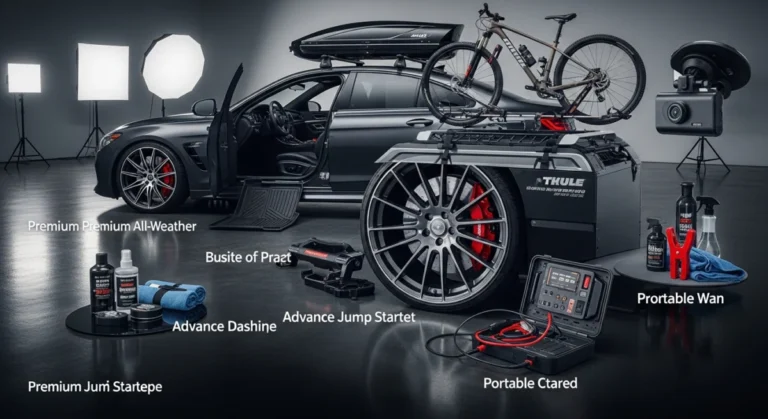
A roof box, also known as a cargo carrier or roof-mounted carrier, is a weatherproof container designed to be mounted on the roof of a vehicle. It provides additional storage space, freeing up valuable room inside the car for passengers and making long drives far more comfortable. These aerodynamic boxes are typically made from durable plastics like ABS or polyethylene and come in various sizes and shapes to accommodate different types of cargo, including skis, snowboards, and other winter sports equipment.
How it Works
Roof boxes attach to your vehicle’s roof rack system. This system usually consists of two crossbars that span the width of the roof. The roof box then clamps or bolts onto these crossbars. Inside the box, straps or other securing mechanisms often keep your gear from shifting during transit. The hinged lid allows for easy access to the contents, and most boxes feature locking mechanisms to deter theft and protect your belongings from the elements.
Benefits and Key Features of a Ski Roof Box
Investing in a roof box for your ski trips offers a plethora of advantages, making your journey more enjoyable and stress-free.
- Increased Storage Space: This is the primary benefit! Free up space inside your car for passengers and pets, making long drives much more comfortable.
- Protection from the Elements: Roof boxes shield your skis and gear from snow, rain, wind, and road debris, ensuring they arrive in pristine condition.
- Enhanced Security: Locking mechanisms prevent theft, giving you peace of mind when leaving your vehicle unattended.
- Improved Aerodynamics: Modern roof boxes are designed to minimize wind resistance, reducing drag and improving fuel efficiency compared to older, boxier designs.
- Organization: Keep your ski gear separate from other luggage, preventing damage and making it easier to find what you need.
- Versatility: Roof boxes aren’t just for ski trips. You can use them for camping gear, luggage, and other bulky items throughout the year.
Key Features to Look For:
- Size and Capacity: Choose a box that’s long enough to accommodate your longest skis or snowboard and has enough volume to hold all your gear.
- Aerodynamic Design: Look for a sleek, streamlined shape to minimize wind resistance and noise.
- Material and Durability: ABS plastic is a common choice, offering a good balance of strength and weight. Some premium boxes use more advanced materials for added durability.
- Mounting System: Ensure the box is compatible with your vehicle’s roof rack system and that the mounting hardware is robust and easy to use. Quick-release mounting systems are a bonus.
- Locking Mechanism: Opt for a box with a secure locking system to deter theft. Dual-sided opening allows access from either side of the vehicle.
- Weight Capacity: Be aware of the maximum weight the roof box and your roof rack system can handle. Exceeding these limits can be dangerous.
- Ease of Use: Consider the ease of opening and closing the lid, as well as the overall ergonomics of the box.
- Weather Resistance: Ensure the box is fully waterproof and weatherproof to protect your gear from the elements.
- UV Resistance: Prolonged exposure to the sun can damage some plastics. Look for boxes with UV-resistant coatings.
Roof Box Installation Tips
Installing a roof box is typically a straightforward process, but it’s essential to follow the manufacturer’s instructions carefully.
- Read the Instructions: Always consult the owner’s manual for your specific roof box model.
- Gather Your Tools: You’ll typically need a wrench, screwdriver, and possibly a measuring tape.
- Safety First: Use a stable ladder or step stool to reach the roof of your vehicle safely.
- Positioning: Center the roof box on your crossbars, ensuring it’s evenly spaced and doesn’t interfere with the vehicle’s antenna or rear hatch.
- Secure the Mounts: Tighten the mounting hardware according to the manufacturer’s specifications. Avoid over-tightening, which could damage the box or roof rack.
- Test the Locks: Ensure the locking mechanism is functioning correctly before loading any gear.
- Double-Check: After installing, double-check that all connections are secure and that the box is properly aligned.
- Ask for Help: If you’re unsure about any aspect of the installation, seek assistance from a professional.
Maintenance and Care
Proper maintenance will extend the life of your roof box and ensure it performs optimally.
- Regular Cleaning: Wash the roof box regularly with mild soap and water to remove dirt, grime, and road salt.
- Avoid Harsh Chemicals: Do not use abrasive cleaners or solvents, as they can damage the plastic.
- UV Protection: Apply a UV protectant to the box periodically to prevent fading and cracking.
- Inspect Regularly: Check the mounting hardware, locks, and hinges for signs of wear or damage.
- Tighten Bolts: Periodically tighten the mounting bolts to ensure a secure connection.
- Proper Storage: When not in use, store the roof box in a dry, sheltered location to protect it from the elements. Covering it will prevent scratches.
- Winter Care: After winter trips, pay special attention to removing any accumulated ice or snow from the box and its mounting hardware.
Top Buying Factors for Ski Roof Boxes
Choosing the right roof box involves several considerations, ensuring it meets your specific needs and preferences.
- Vehicle Compatibility: The most crucial factor is ensuring the roof box is compatible with your vehicle’s roof rack system. Check the manufacturer’s specifications to verify compatibility.
- Ski/Snowboard Length: Measure the length of your longest skis or snowboard to ensure they will fit inside the box. Choose a box that’s at least as long as your longest gear.
- Storage Capacity: Consider the volume of the box, measured in cubic feet or liters. Determine how much gear you need to carry and choose a box with sufficient capacity.
- Frequency of Use: If you plan to use the roof box frequently, invest in a higher-quality model with durable materials and robust construction.
- Budget: Roof boxes range in price from a few hundred dollars to over a thousand. Set a budget and choose a box that offers the best value for your money.
- Brand Reputation: Research different brands and read reviews to get an idea of their reputation for quality and reliability.
- Features: Consider the features that are most important to you, such as aerodynamic design, ease of installation, locking mechanism, and weather resistance.
- Weight: A lighter box is easier to install and handle, but it may not be as durable as a heavier box.
- Aesthetics: While not the most important factor, choose a roof box that complements the look of your vehicle.
Essential FAQs about Ski Roof Boxes
- Q: Will a roof box affect my gas mileage?
- A: Yes, a roof box will slightly reduce your gas mileage due to increased wind resistance. The impact will depend on the box’s aerodynamic design and your driving speed. Opting for a more streamlined design can help minimize fuel consumption.
- Q: How do I know if a roof box will fit my car?
- A: Check the roof box manufacturer’s website or consult with a retailer to verify compatibility with your vehicle’s make, model, and roof rack system. Most manufacturers have fit guides that provide this information.
- Q: Can I leave my roof box on my car year-round?
- A: While you can leave your roof box on your car year-round, it’s generally recommended to remove it when not in use. This will improve your gas mileage and reduce wear and tear on the box.
- Q: Are roof boxes waterproof?
- A: Most roof boxes are designed to be highly water-resistant, but not necessarily 100% waterproof. Heavy rain or prolonged exposure to water may result in some moisture entering the box. Consider using waterproof bags inside the box for sensitive items.
- Q: How much weight can I put in my roof box?
- A: The maximum weight capacity of a roof box varies depending on the model. Always consult the manufacturer’s specifications and never exceed the weight limit. Also, consider the weight capacity of your vehicle’s roof rack system, which may be lower than the box’s capacity. Distribute the weight evenly inside the box to maintain stability.
Conclusion
A roof box is an invaluable investment for any ski enthusiast, offering a practical and convenient solution for transporting gear. By considering the key factors outlined in this guide – size, capacity, compatibility, features, and maintenance – you can choose the perfect roof box to suit your needs and make your next ski trip a resounding success. So, pack your bags, load up your skis, and hit the road with confidence, knowing that your gear is safe, secure, and out of your way, allowing you to fully enjoy the winter wonderland that awaits.