A crumpled tent poking out the back window, suitcases precariously stacked on laps, the constant chorus of “Are we there yet?”… Sound familiar? Family vacations are supposed to be fun, but the packing and transportation logistics can quickly turn them into a logistical nightmare. Here’s the good news: a roof box can be your family vacation sanity-saver. In fact, the roof box market is projected to reach over $1.5 Billion by 2028, proving it’s not just you struggling for space! This guide will provide everything you need to know to choose the right one and maximize its benefits, turning those stressful car rides into comfortable and enjoyable adventures.
What is a Roof Box and How Does it Work?
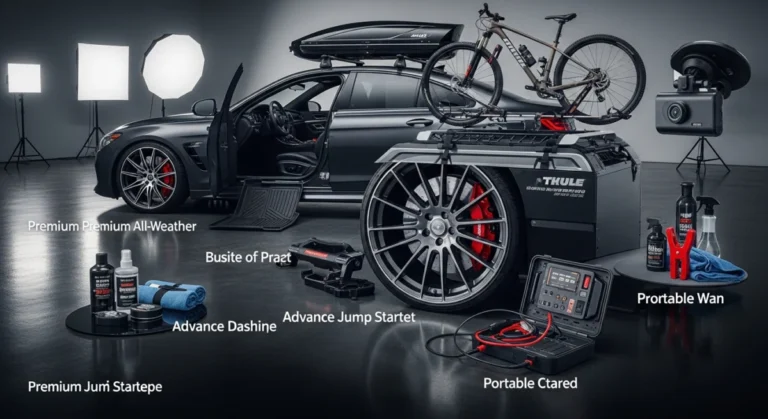
A roof box, sometimes called a cargo carrier, is a weather-resistant container designed to mount on the roof of your vehicle, significantly increasing your cargo capacity. They work by attaching to your vehicle’s existing roof rack system (or, in some cases, requiring the installation of one).
How it Works: The Basics
Essentially, a roof box is an aerodynamic shell, typically made from durable plastic (ABS or HDPE being the most common), that opens to reveal a spacious storage area. Inside, straps or dividers may be included to help secure your belongings.
The box attaches to your vehicle’s roof rack crossbars using a variety of mounting systems. These systems generally consist of clamps or brackets that tighten around the bars. The locking mechanisms are crucial, ensuring the box stays securely fastened even at highway speeds.
Benefits and Key Features of Using a Roof Box
Using a roof box offers a multitude of advantages, making family vacations much more manageable and enjoyable.
Increased Cargo Space
This is the most obvious benefit. A roof box provides substantial extra storage for luggage, camping gear, sports equipment, and anything else that won’t fit inside your vehicle. No more crammed interiors or fighting over legroom!
Weather Protection
Roof boxes are designed to be weather-resistant, protecting your belongings from rain, snow, wind, and even sun damage. This is especially crucial for delicate items like clothing, electronics, or bedding.
Aerodynamic Design
Modern roof boxes are designed with aerodynamics in mind. While they will slightly affect your fuel economy, manufacturers strive to minimize wind resistance and noise. Look for features like tapered shapes and integrated spoilers.
Security
Most roof boxes feature locking mechanisms to deter theft. While not impenetrable, they provide a valuable layer of security, especially when leaving your car unattended. Some premium models even include central locking systems.
Organization
Using a roof box forces you to organize your belongings. Instead of tossing everything haphazardly into the trunk, you can pack items strategically and keep your car’s interior clutter-free.
Key Features to Look For:
- Size and Capacity: Choose a size that fits your vehicle and meets your storage needs. Consider the length of skis or snowboards if you plan to carry them. Capacity is usually measured in cubic feet.
- Opening Mechanism: Boxes can open on one side, both sides (dual-side opening), or from the rear. Dual-side opening is often more convenient.
- Mounting System: Consider the ease of installation and compatibility with your roof rack. Tool-free mounting systems are a plus.
- Material: ABS plastic is durable and relatively lightweight. HDPE is more impact-resistant but can be heavier.
- Locking System: Ensure the box has a robust and reliable locking mechanism.
- Aerodynamics: Look for a streamlined design to minimize wind resistance and noise.
- Durability: Read reviews and consider the manufacturer’s reputation for quality.
Roof Box Installation Tips
Installing a roof box can seem daunting, but it’s usually a straightforward process, especially with modern designs.
Before You Start:
- Read the Instructions: This is crucial! Each roof box model has specific installation instructions.
- Gather Your Tools: Typically, you’ll need a wrench, possibly a screwdriver, and maybe a tape measure. The specific tools depend on the mounting system.
- Enlist Help: Having a second person makes the installation process much easier and safer. Roof boxes can be bulky and awkward to lift alone.
Installation Steps:
1. Position the Roof Rack: Ensure your roof rack crossbars are properly positioned and securely attached to your vehicle. Refer to your vehicle’s owner’s manual and the roof rack manufacturer’s instructions. 2. Lift the Roof Box: Carefully lift the roof box onto the roof rack. Protect your vehicle’s roof with a blanket or towels to prevent scratches. 3. Position the Box: Center the box on the roof rack, making sure it’s evenly spaced between the front and rear. 4. Attach the Mounting Hardware: Follow the manufacturer’s instructions to attach the mounting hardware (clamps, brackets, etc.) to the crossbars. 5. Tighten the Hardware: Securely tighten all the mounting hardware, ensuring the box is firmly attached to the roof rack. Don’t overtighten, as this could damage the box or the mounting hardware. 6. Double-Check: Double-check all connections and make sure the box is stable and secure. 7. Test Drive: Take a short test drive at low speeds to ensure the box is properly installed and there are no unusual noises or vibrations.
Safety First: Always follow the manufacturer’s instructions and exercise caution when lifting and installing a roof box. Improper installation can lead to accidents.
Maintenance and Care of Your Roof Box
Proper maintenance will extend the life of your roof box and ensure it performs optimally.
Cleaning:
- Regular Washing: Wash the roof box regularly with mild soap and water to remove dirt, grime, and insect debris.
- Avoid Harsh Chemicals: Do not use harsh chemicals or abrasive cleaners, as they can damage the plastic.
- Rinse Thoroughly: Rinse the box thoroughly with clean water after washing.
Storage:
- Store Indoors: When not in use, store the roof box indoors in a dry, cool place. This will protect it from the elements and prevent fading or warping.
- Support the Box: If storing the box on its side, use padding or support to prevent it from deforming. Wall-mounted storage systems are ideal.
- Protect from Dust: Cover the box with a tarp or sheet to protect it from dust.
Inspection:
- Regularly Inspect: Regularly inspect the roof box for cracks, dents, or other damage.
- Check Mounting Hardware: Check the mounting hardware for signs of wear or corrosion.
- Lubricate Locks: Lubricate the locking mechanism periodically to ensure smooth operation.
Top Buying Factors When Choosing a Roof Box
Selecting the right roof box involves considering various factors to ensure it meets your needs and fits your vehicle.
Vehicle Compatibility
- Roof Rack Requirements: Determine if your vehicle already has a compatible roof rack system. If not, you may need to purchase one separately.
- Weight Capacity: Check the weight capacity of your vehicle’s roof rack and ensure it can support the weight of the roof box and its contents.
- Box Size: Consider the size of your vehicle and the maximum length and width of the roof box that it can accommodate.
- Hatch Clearance: Make sure the roof box doesn’t interfere with the opening of your vehicle’s rear hatch or trunk.
Storage Needs
- Capacity: Choose a roof box with sufficient capacity to accommodate your luggage and gear.
- Dimensions: Consider the dimensions of the items you plan to carry, such as skis, snowboards, or camping equipment.
- Shape: Different shapes are better suited for different types of cargo. Longer, narrower boxes are ideal for skis, while wider boxes are better for luggage.
Budget
- Price Range: Roof boxes range in price from a few hundred dollars to over a thousand dollars. Set a budget and stick to it.
- Features: Consider the features that are most important to you and choose a box that offers them within your budget.
- Long-Term Value: Consider the long-term value of the roof box and choose a durable model that will last for many years.
Brand Reputation
- Research Brands: Research different roof box brands and read reviews from other customers.
- Warranty: Look for a brand that offers a good warranty.
- Customer Support: Consider the brand’s reputation for customer support.
Essential FAQ about Roof Boxes
Here are some frequently asked questions about roof boxes:
1. Will a roof box affect my gas mileage? Yes, a roof box will slightly reduce your fuel economy due to increased wind resistance. The impact varies depending on the box’s design, your driving speed, and the type of vehicle. Expect a decrease of around 1-5 MPG. 2. Are roof boxes waterproof? While they are designed to be weather-resistant, no roof box is completely waterproof. Heavy rain or prolonged exposure to moisture can sometimes lead to minor leakage. Sealing the seams can improve water resistance. 3. Can I leave my roof box on my car all the time? Yes, you can, but it’s generally not recommended. Leaving it on when not needed increases wind resistance, reduces fuel economy, and exposes the box to unnecessary wear and tear. 4. How much weight can I put in a roof box? The maximum weight capacity varies depending on the roof box model and your vehicle’s roof rack. Always consult the manufacturer’s specifications and never exceed the weight limit. Overloading can damage the box and create a safety hazard. 5. What is the difference between a roof box and a roof bag? A roof box is a rigid container made of plastic, while a roof bag is a soft-sided container made of fabric. Roof boxes offer better weather protection and security, while roof bags are typically more affordable and easier to store.
Conclusion
A roof box is a worthwhile investment for families who frequently travel and need extra storage space. By carefully considering your needs, budget, and vehicle compatibility, you can choose the right roof box and enjoy stress-free vacations with all your essential belongings safely and securely stowed away. Happy travels!