Roof box capacity planning is more than just figuring out how much luggage you can cram into a container on your car’s roof. It’s about understanding your vehicle’s limitations, maximizing fuel efficiency, ensuring safety, and ultimately, making your road trip a comfortable and enjoyable experience. Many people underestimate the importance of proper roof box selection, leading to overloaded vehicles, decreased fuel economy, and even dangerous driving conditions. This guide will equip you with the knowledge to choose the right roof box and pack it efficiently, ensuring a smooth and safe journey.
Understanding Roof Boxes: Your Extra Cargo Space
What is a Roof Box and How Does it Work?
A roof box, also known as a cargo carrier or roof pod, is an enclosed container designed to be mounted on the roof of a vehicle. Its primary function is to provide additional storage space for luggage, sports equipment, camping gear, and other items that won’t fit inside the vehicle’s passenger compartment. They work by attaching securely to roof racks or crossbars already installed on your car.
The basic principle is simple: you pack your items inside the box, secure the lid (usually with a locking mechanism), and distribute the weight evenly. The box then sits atop your vehicle, utilizing otherwise unused space, freeing up room inside for passengers and making long journeys significantly more comfortable. Aerodynamic designs minimize wind resistance, but it’s important to remember that even the most streamlined roof box will impact fuel consumption.
Benefits and Key Features of Roof Boxes
Roof boxes offer a plethora of advantages for travelers and adventurers:
- Increased Cargo Space: The most obvious benefit is the significant increase in storage capacity, allowing you to bring more belongings without sacrificing passenger comfort.
- Protection from the Elements: Roof boxes shield your cargo from rain, snow, dirt, and other environmental factors, ensuring your belongings arrive dry and clean.
- Security: Most roof boxes come with locking mechanisms, providing a secure place to store your items, deterring theft, especially during overnight stops.
- Organization: By separating luggage and equipment from the passenger area, you create a more organized and comfortable travel environment.
- Aerodynamic Design: Modern roof boxes are designed to minimize wind resistance and noise, improving fuel efficiency compared to older, less streamlined models. Look for features like lowered profiles and tapered ends.
- Ease of Use: Many roof boxes offer features like dual-side opening, making loading and unloading easier from either side of the vehicle.
- Versatility: Suitable for a wide range of vehicles, including cars, SUVs, and trucks, as long as they have a compatible roof rack system.
- Durability: Constructed from robust materials like ABS plastic, roof boxes are designed to withstand the rigors of travel and weather conditions.
Installation Tips for Roof Boxes
Proper installation is crucial for safety and performance. Here’s a step-by-step guide:
1. Read the Manual: Always consult the manufacturer’s instructions for your specific roof box model. This is the most important step! 2. Prepare Your Roof Rack: Ensure your roof rack or crossbars are properly installed and securely fastened to your vehicle’s roof. Verify the load capacity of your roof rack system – this is critical! 3. Position the Box: Carefully lift the roof box onto your roof rack. Use a helper to avoid injury. Center the box on the roof, ensuring it doesn’t interfere with the vehicle’s antenna or rear hatch. 4. Attach the Mounting Hardware: Use the provided mounting hardware (usually U-bolts or clamps) to attach the roof box to the roof rack. Tighten the hardware according to the manufacturer’s specifications. 5. Secure the Lid: Make sure the lid is properly closed and locked. Double-check that all locking mechanisms are engaged. 6. Test Drive: Take a short test drive to ensure the roof box is securely mounted and doesn’t produce excessive noise or vibration.
Important Safety Note: Never exceed the maximum weight capacity of your roof box or roof rack system. Overloading can compromise safety and damage your vehicle.
Maintenance and Care of Your Roof Box
Proper maintenance will extend the life of your roof box:
- Cleaning: Regularly clean the roof box with mild soap and water to remove dirt, dust, and road grime. Avoid using harsh chemicals or abrasive cleaners.
- Lubrication: Lubricate the locking mechanisms and hinges with a silicone-based lubricant to keep them operating smoothly.
- Storage: When not in use, store the roof box in a dry, protected area, away from direct sunlight and extreme temperatures. Consider using a roof box storage lift or cover.
- Inspection: Regularly inspect the roof box for cracks, dents, or other damage. Repair any damage promptly to prevent further deterioration.
- UV Protection: Consider applying a UV protectant spray to the roof box to prevent fading and cracking from sun exposure.
- Check Mounting Hardware: Periodically check the mounting hardware for tightness and corrosion. Replace any worn or damaged components.
Top Buying Factors for Choosing a Roof Box
Selecting the right roof box depends on your individual needs and vehicle:
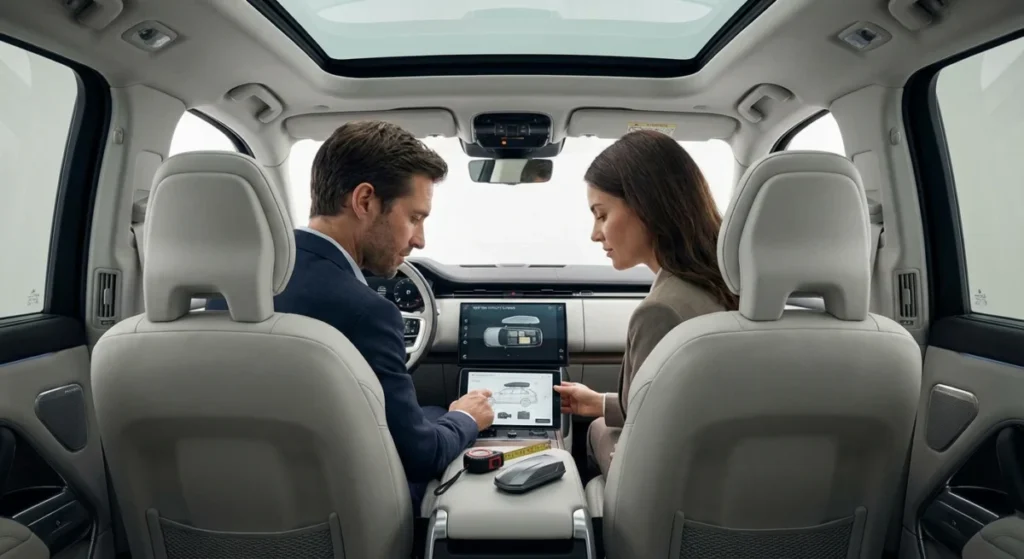
- Size and Capacity: Choose a size that meets your storage requirements without being excessively large or heavy. Consider the length of your skis or snowboards if you plan to transport them. Measured in cubic feet or liters.
- Weight Capacity: Ensure the roof box can handle the weight of your intended cargo. Don’t exceed the recommended weight limit.
- Aerodynamic Design: Opt for a streamlined design to minimize wind resistance and noise. Look for features like a low profile and tapered ends.
- Opening Mechanism: Choose a roof box with a convenient opening mechanism, such as dual-side opening, for easy access to your belongings.
- Mounting System: Ensure the roof box is compatible with your vehicle’s roof rack system. Consider the ease of installation and removal.
- Locking Mechanism: Look for a secure locking mechanism to deter theft. Consider models with multiple locking points.
- Material: Choose a roof box made from durable, weather-resistant materials, such as ABS plastic or other high-quality polymers.
- Brand Reputation: Research different brands and read reviews to find a reputable manufacturer known for quality and reliability. Thule, Yakima, and SportRack are established brands.
- Price: Set a budget and compare prices from different retailers. Balance cost with quality and features.
- Vehicle Compatibility: Certain roof boxes may not be suitable for particular car models due to size, shape, or mounting point limitations. Always check the manufacturer’s compatibility guide.
Essential FAQs About Roof Boxes
- Q: Will a roof box significantly impact my fuel economy?
- A: Yes, a roof box will typically reduce fuel economy. The extent of the impact depends on the size and aerodynamic design of the box, as well as your driving speed. Generally expect a decrease of 1-5 MPG.
- Q: Can I leave a roof box on my car all the time?
- A: While you can, it’s generally recommended to remove the roof box when not in use to minimize wind resistance and improve fuel economy. Leaving it on exposes it to UV damage and potential weather-related wear and tear.
- Q: How do I prevent items from shifting around inside the roof box?
- A: Use straps, bungee cords, or packing blankets to secure your belongings and prevent them from shifting during transit. Distribute weight evenly and fill any empty spaces with soft items.
- Q: What is the best way to clean a roof box?
- A: Use mild soap and water to clean the roof box. Avoid using harsh chemicals or abrasive cleaners, as they can damage the finish. Rinse thoroughly and allow to air dry.
- Q: How much weight can I safely put in my roof box?
- A: Always adhere to the weight capacity specified by the roof box and roof rack manufacturers. Overloading can compromise safety and damage your vehicle. Consult your vehicle’s owner’s manual for roof load limits.
Conclusion
Choosing and utilizing a roof box effectively requires careful consideration of your needs, your vehicle’s capabilities, and the principles of safe loading and maintenance. By understanding the benefits, key features, and installation procedures outlined in this guide, you can confidently select and use a roof box to enhance your travel experiences, providing valuable extra space and protection for your belongings, leading to safer and more enjoyable journeys. Prioritize safety and responsible packing, and your roof box will be a valuable asset for years to come.