Rear Mud Flaps: Your Comprehensive Guide to Vehicle Protection
Ever notice how the vehicle behind you seems to be constantly bombarded with debris kicked up from your tires, especially on wet or gravelly roads? That’s more than just annoying for the other driver; it’s a potential safety hazard and can contribute to damage to your vehicle and others. Enter the unsung hero of automotive protection: the rear mud flap. These simple yet effective devices are crucial for keeping your vehicle and the road around it cleaner and safer. In fact, studies show that vehicles equipped with mud flaps experience significantly less paint chipping and undercarriage corrosion. But with so many options available, how do you choose the right mud flaps for your vehicle and needs? Let’s dive deep into the world of rear mud flaps and explore everything you need to know.
What are Rear Mud Flaps and How Do They Work?
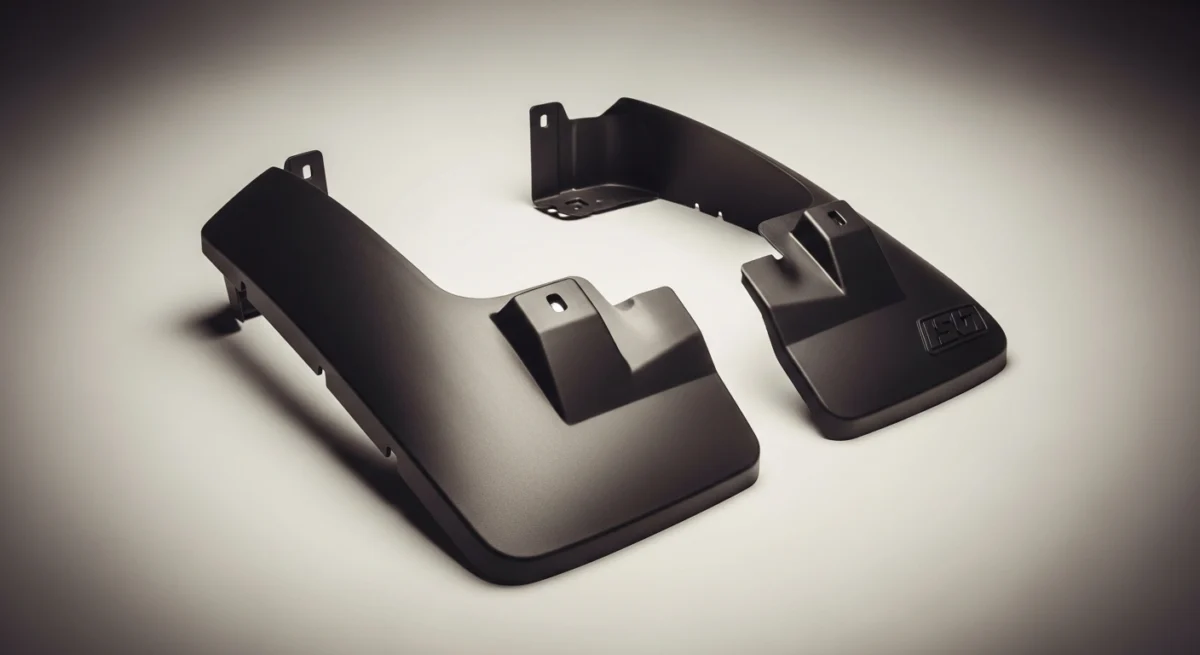
Rear mud flaps, also sometimes called splash guards, are typically rectangular pieces of durable material, usually rubber, plastic, or a composite, that are mounted behind the rear wheels of a vehicle. Their primary function is to intercept and deflect debris ejected from the rotating tires. This debris can include:
- Water
- Mud 泥
- Gravel
- Salt
- Snow
- Other road contaminants
By catching this material, mud flaps prevent it from being flung rearward, protecting following vehicles from chipped paint, cracked windshields, and other forms of damage. They also help to keep your own vehicle cleaner, minimizing the build-up of grime and corrosive substances on the undercarriage and body panels.
The Physics Behind the Functionality
The effectiveness of mud flaps relies on simple physics. As a tire rotates, it picks up loose material from the road surface. This material then gains momentum and is propelled outwards and rearwards due to centrifugal force. The mud flap acts as a physical barrier, intercepting the projectile trajectory. The impact of the debris against the mud flap dissipates its energy, causing it to fall harmlessly to the ground instead of being launched towards another vehicle.
Benefits and Key Features of Rear Mud Flaps
Beyond their core function of deflecting debris, rear mud flaps offer a range of benefits:
- Protection for Following Vehicles: This is arguably the most important benefit. By preventing rocks and other debris from hitting vehicles behind you, you’re contributing to safer roadways and reducing the risk of damage claims.
- Vehicle Preservation: Mud flaps protect your vehicle’s paint, undercarriage, and chassis from damage caused by road debris, salt, and corrosive chemicals. This can significantly extend the lifespan of your vehicle and maintain its resale value.
- Enhanced Vehicle Appearance: Clean vehicles look better. Mud flaps help minimize the amount of mud, dirt, and grime that accumulates on your vehicle’s rear panels, keeping it cleaner for longer.
- Improved Visibility: In wet conditions, mud flaps reduce the amount of spray kicked up by your tires, improving visibility for both you and other drivers.
- Legal Compliance: In some regions, mud flaps are legally required for certain types of vehicles, particularly trucks and commercial vehicles, to prevent damage and ensure road safety. Check your local regulations before assuming they are optional.
- Customization Options: Mud flaps are available in a wide variety of styles, materials, and designs, allowing you to personalize your vehicle and add a touch of individuality. Many manufacturers offer custom printing and logos on mud flaps.
Key Features to Look For
When choosing rear mud flaps, consider these key features:
- Material: Look for durable, weather-resistant materials like heavy-duty rubber, thermoplastic, or composite materials. These materials should be able to withstand impacts from road debris, extreme temperatures, and exposure to chemicals.
- Size and Shape: The size and shape of the mud flaps should be appropriate for your vehicle and the type of driving you do. Larger mud flaps offer greater protection but may also be more prone to scraping on uneven surfaces.
- Mounting System: Ensure that the mud flaps come with a secure and reliable mounting system. This may involve drilling into the vehicle’s wheel wells or using existing mounting points. Some mud flaps use a no-drill installation method, which is easier but may not be as secure.
- Flexibility: Mud flaps should be flexible enough to bend and flex when encountering obstacles, but not so flimsy that they flap excessively in the wind.
- Anti-Sail Design: Some mud flaps incorporate an anti-sail design, which helps to prevent them from catching the wind at high speeds and flapping excessively.
- Aesthetics: While functionality is paramount, consider the appearance of the mud flaps and how they will complement the overall look of your vehicle.
Installation Tips for Rear Mud Flaps

Installing rear mud flaps can be a relatively straightforward process, but it’s essential to follow the manufacturer’s instructions carefully. Here’s a general overview of the installation process:
1. Gather Your Tools: You’ll typically need a drill (if drilling is required), a screwdriver or socket wrench, a measuring tape, and safety glasses. 2. Prepare the Mounting Surface: Clean the area where the mud flaps will be mounted to ensure proper adhesion. 3. Position the Mud Flaps: Use a measuring tape to ensure that the mud flaps are positioned correctly and evenly on both sides of the vehicle. 4. Mark the Mounting Holes: If drilling is required, use a marker to mark the locations of the mounting holes. 5. Drill the Mounting Holes: If necessary, drill the mounting holes carefully, using the correct size drill bit. 6. Attach the Mud Flaps: Secure the mud flaps to the vehicle using the provided hardware. 7. Tighten the Hardware: Tighten all screws or bolts securely, but be careful not to overtighten them, as this could damage the mud flaps or the vehicle’s body.
Important Considerations:
- Consult the Manufacturer’s Instructions: Always refer to the manufacturer’s instructions for specific installation guidance for your particular mud flap model.
- Safety First: Wear safety glasses to protect your eyes from debris while drilling.
- Drill Carefully: If you’re not comfortable drilling into your vehicle’s body, consider having the mud flaps installed by a professional.
- Check for Obstructions: Before drilling, make sure there are no wires, cables, or other components behind the mounting surface that could be damaged.
Maintenance and Care of Rear Mud Flaps
To ensure that your rear mud flaps continue to provide optimal protection and maintain their appearance, follow these maintenance tips:
- Regular Cleaning: Wash your mud flaps regularly with soap and water to remove dirt, mud, and road grime.
- Inspect for Damage: Periodically inspect your mud flaps for cracks, tears, or other damage. Replace damaged mud flaps promptly to maintain their effectiveness.
- Tighten Hardware: Check the mounting hardware regularly to ensure that it’s still tight. Loose hardware can cause the mud flaps to vibrate and wear prematurely.
- Protect from UV Damage: If your mud flaps are made of plastic or rubber, consider using a UV protectant spray to prevent fading and cracking caused by sun exposure.
Top Buying Factors for Rear Mud Flaps

Choosing the right rear mud flaps for your vehicle requires careful consideration. Here are the top buying factors to keep in mind:
1. Vehicle Type: Ensure the mud flaps are designed for your specific vehicle type (car, truck, SUV, etc.). 2. Size and Fit: The mud flaps should be the correct size and shape to provide adequate protection without interfering with the vehicle’s suspension or ground clearance. 3. Material Durability: Choose mud flaps made from durable, weather-resistant materials that can withstand the rigors of daily driving. 4. Mounting Method: Select a mounting method that is compatible with your vehicle and that you are comfortable installing. 5. Aesthetics: Consider the appearance of the mud flaps and how they will complement the overall look of your vehicle. 6. Price: Mud flaps range in price from affordable to premium. Set a budget and choose the best mud flaps that fit your needs and budget. 7. Brand Reputation: Opt for mud flaps from a reputable manufacturer known for quality and durability. 8. Customer Reviews: Read customer reviews to get an idea of the real-world performance and durability of the mud flaps.
Essential FAQ About Rear Mud Flaps
- Are mud flaps legally required in all states? No, mud flap regulations vary by state and vehicle type. Some states have specific requirements regarding the size and placement of mud flaps, particularly for commercial vehicles. Check your local laws to ensure compliance.
- Can I install mud flaps myself, or do I need a professional? Most people can install mud flaps themselves with basic tools. However, if you’re not comfortable drilling into your vehicle or working with tools, it’s best to have them installed by a professional mechanic.
- What are the best materials for mud flaps? The best materials for mud flaps are typically heavy-duty rubber, thermoplastic, or composite materials. These materials offer a good balance of durability, flexibility, and weather resistance.
- How often should I replace my mud flaps? You should replace your mud flaps whenever they become damaged, cracked, or worn. Regularly inspecting your mud flaps can help you identify potential problems early on.
- Do mud flaps affect fuel efficiency? Mud flaps can slightly affect fuel efficiency, particularly at high speeds, due to increased aerodynamic drag. However, the impact is typically minimal.
Conclusion
Rear mud flaps are an essential investment for any vehicle owner who wants to protect their vehicle, other drivers, and the environment. By choosing the right mud flaps and maintaining them properly, you can enjoy years of reliable protection and enhance the overall appearance of your vehicle. From preventing rock chips to keeping your ride cleaner, the benefits of these simple devices are undeniable. So, take the time to research your options, select the best mud flaps for your needs, and enjoy the peace of mind that comes with knowing you’re doing your part to keep the roads safer and cleaner.