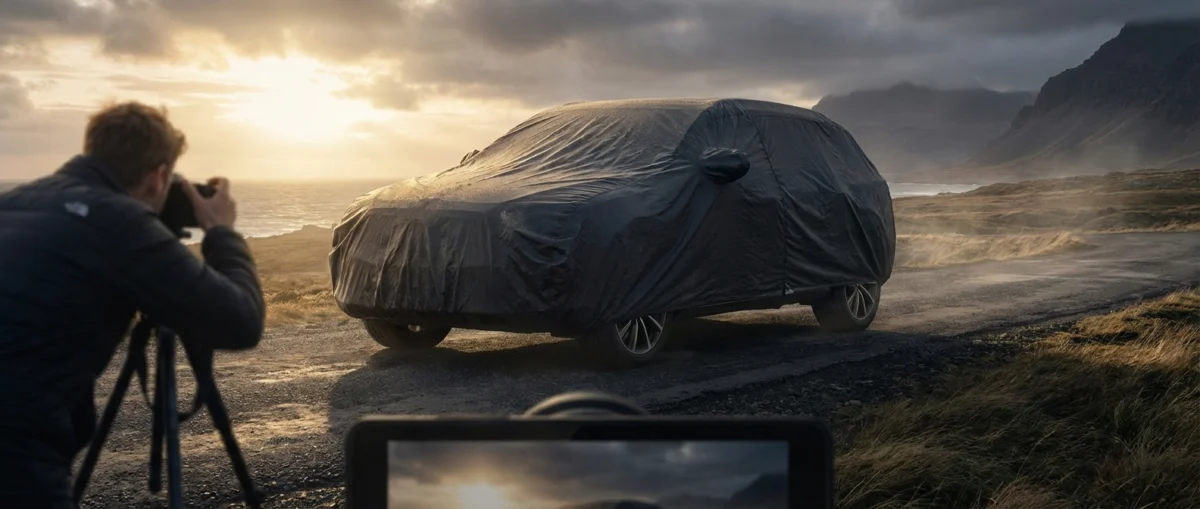
Protecting your vehicle from the elements is a constant battle. Scratches, bird droppings, sun damage, and even the dreaded tree sap can all wreak havoc on your car’s finish, reducing its value and diminishing its aesthetic appeal. While a garage is the ideal solution, not everyone has access to one. That’s where portable car covers come in as a convenient and cost-effective alternative. In 2022, the global car cover market was valued at over $700 million, and projections indicate continued growth as more vehicle owners seek to safeguard their investments. This guide will dive deep into the world of portable car covers, equipping you with the knowledge needed to choose the best option for your specific needs and budget.
What is a Portable Car Cover and How Does It Work?
A portable car cover is essentially a tailored shield designed to protect your vehicle’s exterior from various environmental hazards. Unlike a fitted garage, it’s lightweight and easily transportable, making it an ideal solution for those who park outdoors, travel frequently, or lack permanent covered storage. They typically consist of multiple layers of breathable and water-resistant (or waterproof) material that conforms to the shape of your vehicle.
The primary function of a car cover is to create a barrier between your car’s paint and the elements. This barrier prevents:
- UV damage: The sun’s ultraviolet rays can fade paint, crack dashboards, and damage interior components.
- Water damage: Rain, snow, and ice can lead to rust and corrosion.
- Physical damage: Scratches from tree branches, bird droppings, and even minor bumps can be avoided.
- Dust and pollen accumulation: Keeping your car clean reduces the need for frequent washing.
- Extreme temperature fluctuations: A cover can help regulate the temperature inside your car, reducing stress on interior components.
The “portable” aspect refers to their ease of use and storage. They can be quickly deployed and folded up when not needed, allowing for flexibility and convenience.
Benefits and Key Features of Car Covers
The advantages of using a car cover extend far beyond just keeping your car clean. Here’s a breakdown of the key benefits and features to look for:
Benefits
- Protection from the elements: This is the primary benefit. Covers protect against sun, rain, snow, hail, wind, and debris.
- Reduced maintenance: By keeping your car cleaner, you’ll need to wash and wax it less frequently.
- Prevention of fading and cracking: Prolongs the life of your paint job and interior.
- Security: Deters casual theft and vandalism by obscuring the vehicle.
- Preservation of resale value: A well-maintained exterior increases your car’s value when you decide to sell.
- Convenience: Easy to install and remove, providing instant protection wherever you park.
Key Features
- Material: Look for breathable materials like polypropylene, Tyvek, or woven polyester to prevent moisture buildup underneath the cover, which can lead to mold and mildew. For heavier protection, consider thicker multi-layer fabrics with a waterproof outer layer and a soft inner layer.
- Water Resistance/Waterproofing: Understand the difference. Water-resistant covers repel water for a limited time, while waterproof covers provide complete protection from water penetration. Waterproof covers are ideal for very wet climates, but breathability is crucial to avoid trapped moisture.
- UV Protection: Critical for sunny climates. Covers with a UV-resistant coating will shield your car’s paint from fading and cracking.
- Breathability: Allows moisture to escape, preventing rust and mildew.
- Fit: A custom-fit cover provides the best protection and prevents the cover from flapping in the wind. Universal-fit covers are more affordable but may not offer the same level of protection. Consider covers with features like elastic hems and mirror pockets for a snug fit.
- Reinforced Seams: Durable seams prevent tearing and ensure the cover lasts longer.
- Soft Inner Lining: Protects your car’s paint from scratches. Common materials include fleece or cotton.
- Grommets for Tie-Downs: Allow you to secure the cover in windy conditions.
- Storage Bag: Makes it easy to store the cover when not in use.
- Antenna Patch: Some covers include a patch to create a hole for the antenna without damaging the cover.
- Cable and Lock System: Provides added security to deter theft.
Car Cover Installation Tips
Installing a car cover is generally straightforward, but following these tips will ensure a proper and secure fit:
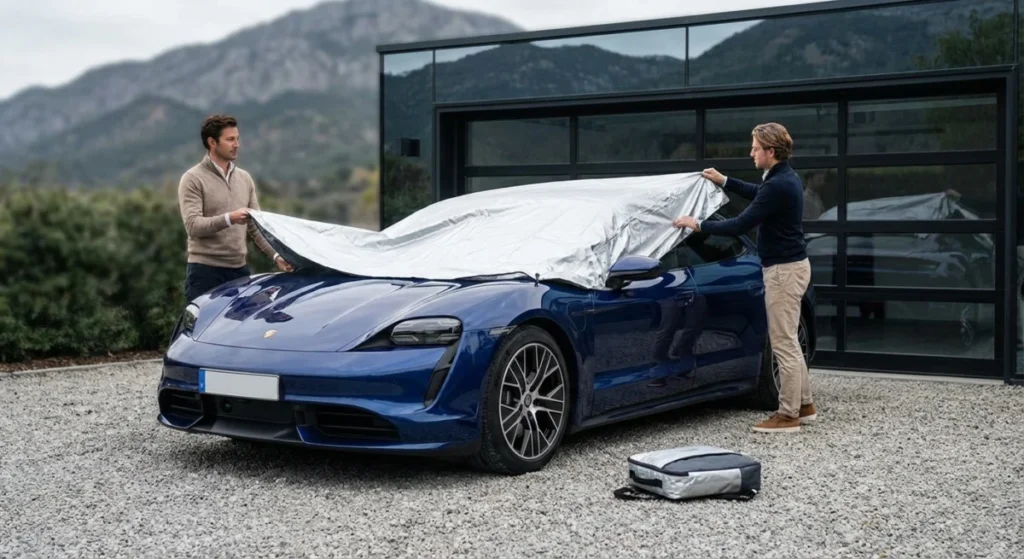
1. Clean Your Car: Before installing the cover, wash and dry your car to remove any dirt or debris that could scratch the paint. 2. Check the Cover: Inspect the cover for any tears or damage before installation. 3. Position the Cover: Unfold the cover and locate the front and back labels. Drape the cover over your car, starting with the front bumper. 4. Secure the Cover: Gently pull the cover over the rest of the car, ensuring it fits snugly around the mirrors and bumpers. 5. Fasten Tie-Downs (if applicable): Secure the tie-downs to the wheels or other anchor points to prevent the cover from blowing away in the wind. 6. Adjust as Needed: Make any necessary adjustments to ensure a snug and secure fit.
Important: Never install a car cover on a wet car, as this can trap moisture and lead to rust or mildew. Also, be careful when removing the cover to avoid dragging it across the paint, which can cause scratches.
Maintenance and Care of Car Covers
Proper maintenance will extend the life of your portable car cover and ensure it continues to provide optimal protection. Here are some key maintenance tips:
- Regular Cleaning: Periodically clean the cover to remove dirt and debris. Use a soft brush and mild soap and water. Avoid harsh chemicals or abrasive cleaners.
- Drying: Allow the cover to air dry completely before storing it. Never store a wet cover, as this can lead to mold and mildew.
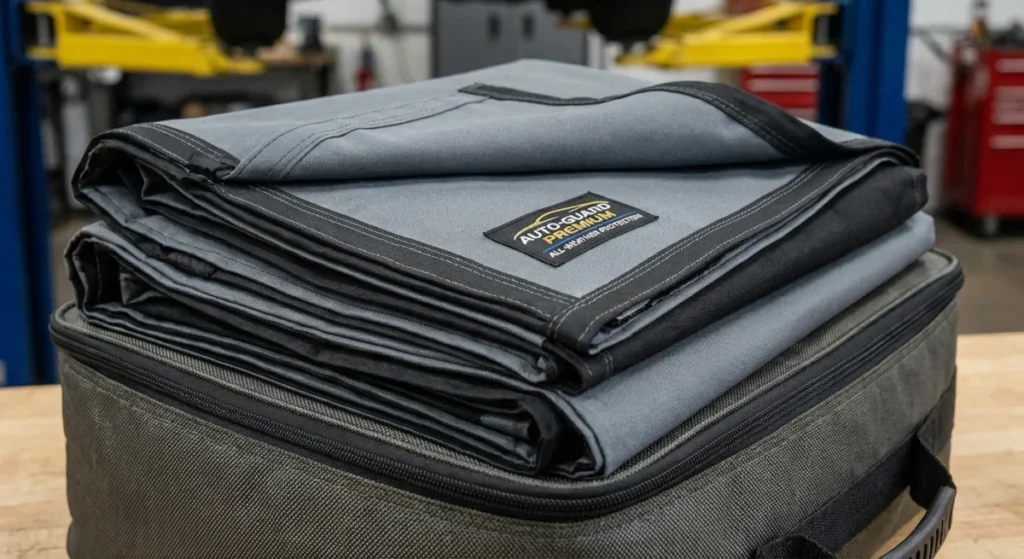
- Storage: When not in use, store the cover in the provided storage bag. Keep it in a cool, dry place.
- Repairing Tears: Repair any small tears or holes immediately to prevent them from spreading. You can use a patch kit or seam sealant.
- UV Protectant: Consider applying a UV protectant spray to the cover to help prevent fading and cracking, especially if you live in a sunny climate.
- Avoid Sharp Objects: Be careful not to snag or tear the cover on sharp objects.
Top Buying Factors for a Car Cover
Choosing the right car cover depends on your specific needs and circumstances. Here are the top factors to consider:
1. Climate: If you live in a rainy climate, prioritize a waterproof or highly water-resistant cover. In sunny climates, focus on UV protection. If you live in an area with harsh winters, look for a cover that can withstand snow and ice. 2. Car Type: Ensure the cover is designed for your specific car type (sedan, SUV, truck, etc.). A custom-fit cover is always the best option. 3. Storage Needs: If you need to store the cover frequently, choose a lightweight and easy-to-fold option. 4. Budget: Car covers range in price from inexpensive universal-fit models to high-end custom-fit covers. Determine your budget and choose a cover that offers the best value for your money. 5. Material Quality: Pay attention to the material composition and construction of the cover. Look for durable, breathable, and weather-resistant materials. 6. Features: Consider features such as tie-downs, grommets, mirror pockets, and security systems. 7. Warranty: A good warranty indicates the manufacturer’s confidence in the product’s quality. 8. Customer Reviews: Read online reviews to get an idea of other users’ experiences with the cover.
Essential FAQ Section
Here are some frequently asked questions about portable car covers:
1. Q: Will a car cover scratch my car’s paint? A: Potentially, yes. Always use a cover with a soft inner lining and ensure your car is clean before installation. Avoid dragging the cover across the paint during removal. 2. Q: How do I choose the right size car cover? A: The best option is to choose a custom-fit car cover designed specifically for your vehicle’s make and model. Universal-fit covers are available but may not provide the same level of protection. Check the manufacturer’s size chart to ensure a proper fit. 3. Q: Are all waterproof car covers breathable? A: No. Many waterproof covers are not breathable, which can trap moisture and lead to mold and mildew. Look for covers that are advertised as both waterproof and breathable. 4. Q: Can I use a car cover on a convertible with the top down? A: It’s generally not recommended. Debris can get trapped between the cover and the seats, causing damage. Only use a car cover on a convertible with the top up. 5. Q: How often should I wash my car cover? A: Wash your car cover every few months or as needed, depending on the level of dirt and debris accumulation. More frequent washing may be necessary in areas with high pollen or air pollution.
Conclusion
Investing in a portable car cover is a smart way to protect your vehicle from the elements and preserve its value. By understanding the benefits, features, and maintenance requirements of different types of covers, you can make an informed decision and choose the best option for your needs. Whether you’re looking to protect your car from the sun, rain, snow, or dust, a car cover is a convenient and effective solution. Consider the factors outlined in this guide, do your research, and enjoy the peace of mind that comes with knowing your vehicle is well-protected.