Off-road adventures often lead to spectacular views and unforgettable experiences, but they also subject your vehicle to harsh conditions. Mud, rocks, and debris flying off your tires can damage your own vehicle, pose a risk to other drivers, and even land you in legal trouble. In fact, states can and often do have laws about mud flap requirements for certain vehicles. The simple addition of off-road mud flaps can mitigate these risks and offer significant protection. Let’s dive deep into the world of off-road mud flaps and learn how to choose, install, and maintain them for optimal performance.
What are Off-Road Mud Flaps and How Do They Work?
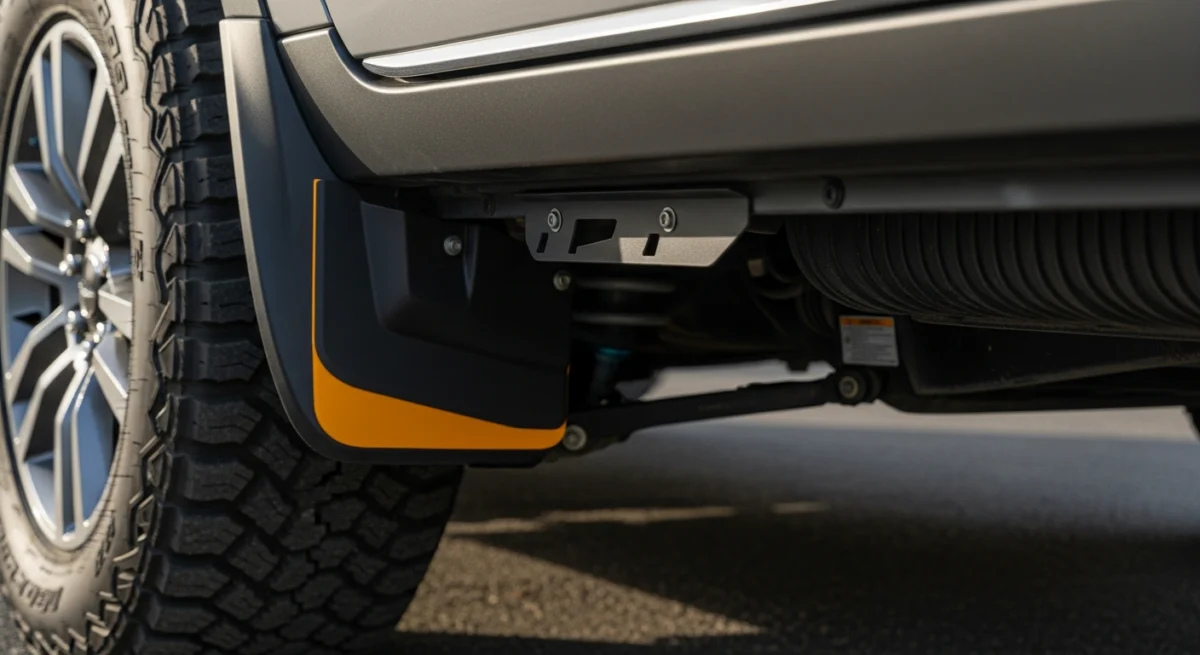
Simply put, off-road mud flaps (also referred to as splash guards) are protective barriers positioned behind your vehicle’s tires. Their primary function is to deflect mud, water, rocks, and other road debris kicked up by the rotating wheels. They prevent these projectiles from damaging the vehicle’s body panels, undercarriage, and nearby vehicles. Think of them as a shield for your ride, reducing the chance of chipped paint, dents, and rust formation.
Understanding the Mechanics
The way mud flaps work is fairly straightforward. As your tires spin, they naturally fling debris outwards and backwards. Without mud flaps, this debris flies freely, impacting anything in its path. Mud flaps, typically made of durable rubber, plastic, or composite materials, are strategically placed to intercept this spray. The angle and size of the flap are designed to redirect the debris downwards towards the road, minimizing the potential for damage. The effectiveness hinges on proper positioning and the flap’s ability to withstand the impact forces.
Benefits and Key Features of Off-Road Mud Flaps
Investing in quality off-road mud flaps offers a range of benefits beyond just keeping your vehicle clean. Let’s explore the key advantages and features:
Protection Against Damage
- Shields the Vehicle: The most obvious benefit is protecting your vehicle’s paint, body panels, and undercarriage from impacts. This prevents costly repairs and maintains resale value.
- Reduces Rust: By deflecting water and corrosive road salts, mud flaps help prevent rust formation, particularly in vulnerable areas like wheel wells and rocker panels.
- Protects Other Vehicles: Mud flaps prevent rocks and debris from being thrown onto other vehicles, reducing the risk of accidents and potential liability.
Enhanced Safety
- Improved Visibility: By minimizing water spray, mud flaps improve visibility for both the driver and following vehicles, especially in wet conditions.
- Reduced Glare: Mud flaps help reduce glare from water spraying up from the road surface, further enhancing visibility.
Customization and Aesthetics
- Vehicle Styling: Mud flaps are available in various styles, colors, and materials, allowing you to personalize your vehicle’s appearance. You can opt for a rugged, off-road look or a sleek, understated style.
- Custom Logos: Many manufacturers offer the option to add custom logos or designs to your mud flaps, further enhancing the unique look of your vehicle.
Key Features to Look For
- Material: Thermoplastic Olefin (TPO), polyurethane, and reinforced rubber are common materials known for their durability and flexibility. Choose a material that can withstand the harsh conditions of off-roading.
- Thickness: Thicker mud flaps offer greater protection and are less likely to tear or break under stress.
- Size and Coverage: Ensure the mud flaps are appropriately sized for your vehicle’s tire size and provide adequate coverage. Consider extended length mud flaps for lifted trucks or vehicles with larger tires.
- Contour and Fit: Look for mud flaps designed specifically for your vehicle’s make and model to ensure a proper fit and seamless integration. Universal mud flaps are an option, but might require modification.
- Mounting Hardware: High-quality mounting hardware, such as stainless steel brackets and bolts, is essential for secure installation and long-lasting performance.
- Anti-Spray Features: Some mud flaps incorporate features like channels or grooves to further reduce water spray and improve visibility.
Installation Tips for Off-Road Mud Flaps
While professional installation is always an option, many off-road enthusiasts prefer to install mud flaps themselves. Here are some helpful tips:
Preparation is Key
- Gather Tools: You’ll typically need a socket set, wrench, drill (depending on the application), screwdriver, and measuring tape.
- Read Instructions: Always read the manufacturer’s instructions carefully before beginning the installation process.
- Clean the Area: Clean the area where the mud flaps will be mounted to ensure proper adhesion and a secure fit.
- Safety First: Wear safety glasses and gloves to protect yourself from injury.
Installation Steps
- Positioning: Position the mud flaps according to the manufacturer’s instructions. Ensure they provide adequate coverage and don’t interfere with tire movement.
- Marking: Use a pencil or marker to mark the mounting hole locations on the vehicle’s body.
- Drilling (if required): If necessary, drill pilot holes for the mounting screws or bolts. Use the correct drill bit size to avoid damaging the vehicle’s body. Be cautious of wires and brake lines behind the drilling surface.
- Mounting: Attach the mud flaps using the provided mounting hardware. Tighten the screws or bolts securely, but avoid over-tightening, which could damage the mud flaps or the vehicle’s body.
- Repeat: Repeat the process for all four mud flaps.
- Test: After installation, test the mud flaps by driving the vehicle over a rough surface to ensure they are securely mounted and don’t interfere with tire movement.
Special Considerations
- Vehicles with Lift Kits: If your vehicle has a lift kit, you may need to purchase extended-length mud flaps to maintain adequate coverage.
- Custom Fit: If you’re using universal mud flaps, you may need to trim or modify them to achieve a proper fit.
- No-Drill Options: Some mud flaps are designed for no-drill installation, using existing mounting points on the vehicle. These are often easier to install but may not be as secure as drilled installations.
Maintenance and Care for Longevity
Proper maintenance and care will extend the lifespan of your off-road mud flaps and ensure they continue to provide optimal protection.
Regular Cleaning
- Wash your mud flaps regularly with soap and water to remove mud, dirt, and grime.
- Use a brush to scrub away stubborn stains.
Inspection
- Inspect your mud flaps regularly for signs of wear and tear, such as cracks, tears, or loose mounting hardware.
- Replace damaged mud flaps immediately to maintain adequate protection.
Protecting from the Elements
- Apply a UV protectant spray to your mud flaps to prevent fading and cracking from sun exposure.
- Consider using a sealant to protect the mud flaps from water damage and corrosion.
Hardware Maintenance
- Check and tighten mounting hardware periodically to prevent loosening.
- Replace any rusted or corroded hardware.
Top Buying Factors: Choosing the Right Mud Flaps
Selecting the right off-road mud flaps for your vehicle requires careful consideration. Here are the key factors to keep in mind:
Vehicle Compatibility
- Ensure the mud flaps are designed specifically for your vehicle’s make, model, and year.
- Consider the tire size and whether your vehicle has a lift kit when selecting the appropriate size and coverage.
Material Durability
- Choose a material that can withstand the harsh conditions of off-roading, such as TPO, polyurethane, or reinforced rubber.
- Consider the thickness of the material for added protection.
Coverage Area
- Select mud flaps that provide adequate coverage to protect your vehicle’s body panels and undercarriage.
- Extended-length mud flaps are recommended for lifted vehicles or those with larger tires.
Mounting System
- Choose a mounting system that is secure and easy to install.
- Consider no-drill options for convenience, but ensure they provide adequate stability.
Style and Aesthetics
- Select mud flaps that complement your vehicle’s overall style and appearance.
- Consider custom logos or designs to personalize your mud flaps.
Price and Value
- Compare prices from different manufacturers and retailers.
- Consider the long-term value of the mud flaps in terms of protection, durability, and aesthetics. A cheaper option might need more frequent replacement.
Essential FAQs About Off-Road Mud Flaps
Here are some frequently asked questions about off-road mud flaps:
Q: Are mud flaps required by law?
A: Many states have laws regarding mud flap requirements, particularly for commercial vehicles and vehicles with oversized tires. Check your local regulations to ensure compliance. Failure to comply can result in fines.
Q: Can I install mud flaps myself?
A: Yes, most mud flaps can be installed by DIY enthusiasts with basic tools and mechanical knowledge. Follow the manufacturer’s instructions carefully.
Q: What is the best material for off-road mud flaps?
A: TPO, polyurethane, and reinforced rubber are all excellent choices for off-road mud flaps due to their durability, flexibility, and resistance to damage.
Q: How often should I clean my mud flaps?
A: Clean your mud flaps regularly, ideally after each off-road adventure, to remove mud, dirt, and grime.
Q: Can mud flaps improve my vehicle’s fuel economy?
A: While the primary purpose of mud flaps is protection, some studies suggest they can slightly improve fuel economy by reducing aerodynamic drag. The effect is generally minimal.
Conclusion
Off-road mud flaps are an essential investment for any vehicle that ventures off the beaten path. They provide critical protection against damage, enhance safety, and allow for vehicle customization. By understanding the key benefits, features, installation tips, maintenance procedures, and buying factors outlined in this guide, you can confidently select and maintain the right mud flaps to keep your vehicle protected and looking its best for years to come. So gear up, get those mud flaps installed, and enjoy your off-road adventures with peace of mind!