Mud Flaps for Highway Driving: A Comprehensive Guide
Driving on the highway presents a unique set of challenges for your vehicle, from flying rocks and road debris to the relentless spray of water and salt during inclement weather. The constant barrage can lead to chipped paint, damaged undercarriage components, and compromised visibility for you and other drivers. But there’s a simple, yet highly effective solution: mud flaps. In fact, studies show that vehicles equipped with properly installed mud flaps experience up to 75% less road debris damage. This guide will delve deep into the world of mud flaps, arming you with the knowledge to choose, install, and maintain them for optimal highway performance.
What are Mud Flaps and How Do They Work?
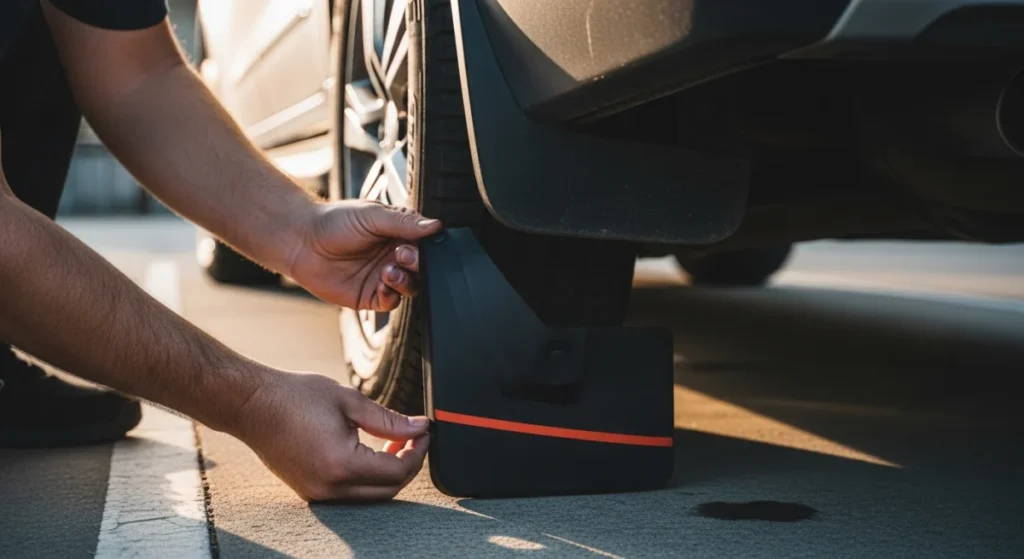
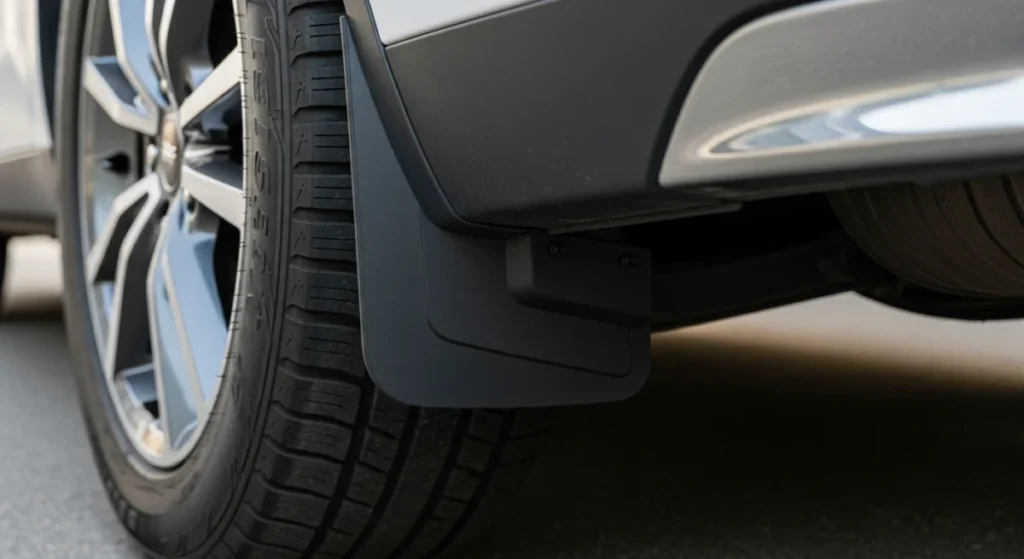
Mud flaps, also known as splash guards or stone guards, are protective barriers typically made of rubber, plastic, or composite materials. They are mounted behind the wheels of a vehicle, extending downwards towards the road. Their primary function is to intercept and deflect road spray, rocks, mud, snow, and other debris kicked up by the tires as they rotate.
Think of them as miniature shields positioned strategically to prevent these projectiles from hitting your own vehicle and vehicles behind you. The centrifugal force generated by the spinning tires launches debris outwards and backwards. Mud flaps act as a physical barrier, redirecting this spray downwards, closer to the road surface. This simple act significantly reduces the chances of damage and improves safety for everyone on the road.
The Science Behind Deflection
The effectiveness of a mud flap relies on a few key principles of physics. First, its surface area determines how much debris it can intercept. A larger mud flap naturally provides more coverage. Second, its material properties influence how it deflects debris. Flexible materials absorb some of the impact energy, reducing the chance of rebound, while stiffer materials may redirect debris with more force. Finally, the angle of deflection is critical. A well-designed mud flap will redirect the debris downwards, minimizing the risk of it being projected upwards or outwards.
Benefits and Key Features of Highway Mud Flaps
Investing in high-quality mud flaps for highway driving offers a multitude of benefits, extending beyond just aesthetics.
- Protection from Damage: The most obvious benefit is protection against chipped paint, dents, and corrosion caused by flying debris. This is especially crucial in areas where roads are frequently salted or gravel is used for traction.
- Improved Visibility: Mud flaps significantly reduce road spray during wet conditions, improving visibility for both the driver and other motorists. This is especially important for preventing hydroplaning and maintaining safe following distances.
- Enhanced Vehicle Aesthetics: While primarily functional, mud flaps can also enhance the overall appearance of your vehicle. Many manufacturers offer a variety of styles, colors, and finishes to complement your vehicle’s design. Some even feature custom logos or designs.
- Legal Compliance: In some jurisdictions, mud flaps are legally required, particularly for commercial vehicles. Ensure you are compliant with local regulations to avoid fines.
- Preservation of Vehicle Value: By protecting your vehicle from damage, mud flaps help maintain its resale value. A well-maintained vehicle with intact paint and minimal corrosion will always fetch a higher price.
- Safety for Other Drivers: Reducing road spray and flying debris protects other vehicles on the road from potential damage and improves their visibility, contributing to overall highway safety.
Key Features to Look For
When shopping for mud flaps, consider the following features:
- Material: Rubber flaps are flexible and durable, while plastic flaps are lightweight and affordable. Composite flaps offer a balance of both qualities.
- Size: Choose a size that provides adequate coverage for your tires. Larger tires typically require larger mud flaps.
- Thickness: Thicker mud flaps are more durable and resistant to tearing or damage.
- Mounting Hardware: Ensure the mud flaps come with high-quality mounting hardware that is compatible with your vehicle. Stainless steel hardware is recommended for corrosion resistance.
- Anti-Sail Design: Some mud flaps feature an anti-sail design, which helps prevent them from flapping excessively in the wind at high speeds.
- Contoured Design: Contoured mud flaps are designed to fit the specific contours of your vehicle, providing a more integrated and aesthetically pleasing look.
Mud Flap Installation Tips (If Applicable)
Installing mud flaps is a relatively straightforward process, but it’s essential to follow the manufacturer’s instructions carefully.
1. Gather your tools: You’ll typically need a wrench, screwdriver, drill (if drilling is required), measuring tape, and safety glasses. 2. Read the instructions: Before you start, thoroughly read the instructions provided with your mud flaps. 3. Locate the mounting points: Identify the designated mounting points on your vehicle’s fender wells. These may be pre-existing holes or require drilling. 4. Prepare the surface: Clean the mounting surface to ensure a secure attachment. 5. Install the brackets: If applicable, install the mounting brackets according to the instructions. 6. Attach the mud flaps: Secure the mud flaps to the brackets using the provided hardware. 7. Tighten the hardware: Ensure all hardware is tightened securely, but avoid over-tightening, which can damage the mud flaps or brackets. 8. Test the installation: After installation, check that the mud flaps are securely attached and do not interfere with the tires or suspension. 9. Safety First: Always wear safety glasses when drilling or working under your vehicle. If you’re not comfortable performing the installation yourself, consider having a professional install the mud flaps.
Drilling Considerations
If drilling is required, use a drill bit that is the correct size for the mounting hardware. Before drilling, double-check the location of any wires or hoses behind the fender well to avoid damaging them.
Mud Flap Maintenance and Care
Mud flaps are relatively low-maintenance, but a few simple steps can help prolong their lifespan and ensure optimal performance.
- Regular Cleaning: Wash your mud flaps regularly with soap and water to remove dirt, grime, and road salt. This will help prevent corrosion and maintain their appearance.
- Inspection: Periodically inspect your mud flaps for any signs of damage, such as cracks, tears, or loose mounting hardware. Replace damaged mud flaps promptly to maintain their effectiveness.
- Hardware Maintenance: Check the mounting hardware regularly to ensure it is tight and free from corrosion. Apply a rust inhibitor to the hardware to prevent corrosion in harsh environments.
- Avoid Harsh Chemicals: Avoid using harsh chemicals or abrasive cleaners on your mud flaps, as they can damage the material.
Top Buying Factors for Highway Mud Flaps
Choosing the right mud flaps for highway driving involves considering several factors to ensure you get the best performance and value.
- Vehicle Compatibility: Ensure the mud flaps are compatible with your vehicle’s make, model, and year. Some mud flaps are designed for specific vehicles, while others are universal fit.
- Driving Conditions: Consider the typical driving conditions you encounter. If you frequently drive on gravel roads or in snowy conditions, choose mud flaps that are durable and provide ample coverage.
- Material Quality: Opt for mud flaps made from high-quality materials that are resistant to tearing, cracking, and fading. Rubber and composite materials are generally more durable than plastic.
- Size and Coverage: Select a size that provides adequate coverage for your tires. Larger tires require larger mud flaps to effectively deflect debris.
- Installation Ease: Consider the ease of installation. If you prefer to install the mud flaps yourself, choose a model that comes with clear instructions and all the necessary hardware.
- Aesthetics: Choose a style and color that complements your vehicle’s appearance.
- Price: Set a budget and compare prices from different manufacturers. While price is important, prioritize quality and durability over the lowest possible price.
- Customer Reviews: Read customer reviews to get an idea of the mud flaps’ performance and reliability. Pay attention to reviews that mention durability, ease of installation, and effectiveness in different driving conditions.
- Brand Reputation: Choose mud flaps from a reputable brand known for producing high-quality automotive accessories.
Essential FAQ Section
Here are some frequently asked questions about mud flaps for highway driving:
1. Are mud flaps legally required in all states? Not necessarily. Mud flap laws vary widely by state and may depend on the type of vehicle and its intended use. Check your local regulations to ensure compliance. 2. Can mud flaps improve my vehicle’s fuel economy? While the primary purpose of mud flaps is protection, reducing wind resistance with aerodynamic designs *could* have a marginal impact on fuel economy. This benefit is generally negligible. 3. How often should I replace my mud flaps? The lifespan of mud flaps depends on the material and driving conditions. Inspect them regularly and replace them when you notice signs of damage or wear. Typically, 3-5 years is a good guideline. 4. Can I install mud flaps on a lowered vehicle? Yes, but you’ll need to choose mud flaps that are designed for lowered vehicles or that can be trimmed to fit properly. Also, consider the potential for scraping on speed bumps or uneven roads. 5. Are universal mud flaps as effective as custom-fit mud flaps? Custom-fit mud flaps generally provide better coverage and a more secure fit because they are designed specifically for your vehicle’s contours. However, high-quality universal mud flaps can also be effective if installed correctly.
Conclusion
Investing in mud flaps for your vehicle is a smart decision that can protect your investment, improve safety, and enhance your driving experience. By understanding the benefits, key features, installation tips, and maintenance requirements outlined in this guide, you can confidently choose and maintain the perfect mud flaps for your highway adventures. Drive safely and enjoy the peace of mind that comes with knowing your vehicle is protected from the hazards of the road.