Navigating gravel roads can be an exhilarating adventure, but it often comes at a cost – chipped paint, damaged undercarriages, and the constant barrage of flying debris. According to a study by the National Highway Traffic Safety Administration (NHTSA), debris from roadways contributes to thousands of accidents annually, causing significant damage and, in some cases, injuries. The solution? Mud flaps, often overlooked but essential accessories for anyone frequently driving on gravel. This comprehensive guide will delve into the world of mud flaps for gravel roads, providing you with the knowledge to choose, install, and maintain the right protection for your vehicle.
Mud Flaps for Gravel Roads: An In-Depth Guide
Mud flaps, also known as splash guards, are more than just cosmetic additions to your vehicle. They are vital components in protecting your vehicle and other drivers from the hazards of gravel roads. Let’s break down everything you need to know.
What are Mud Flaps and How Do They Work?
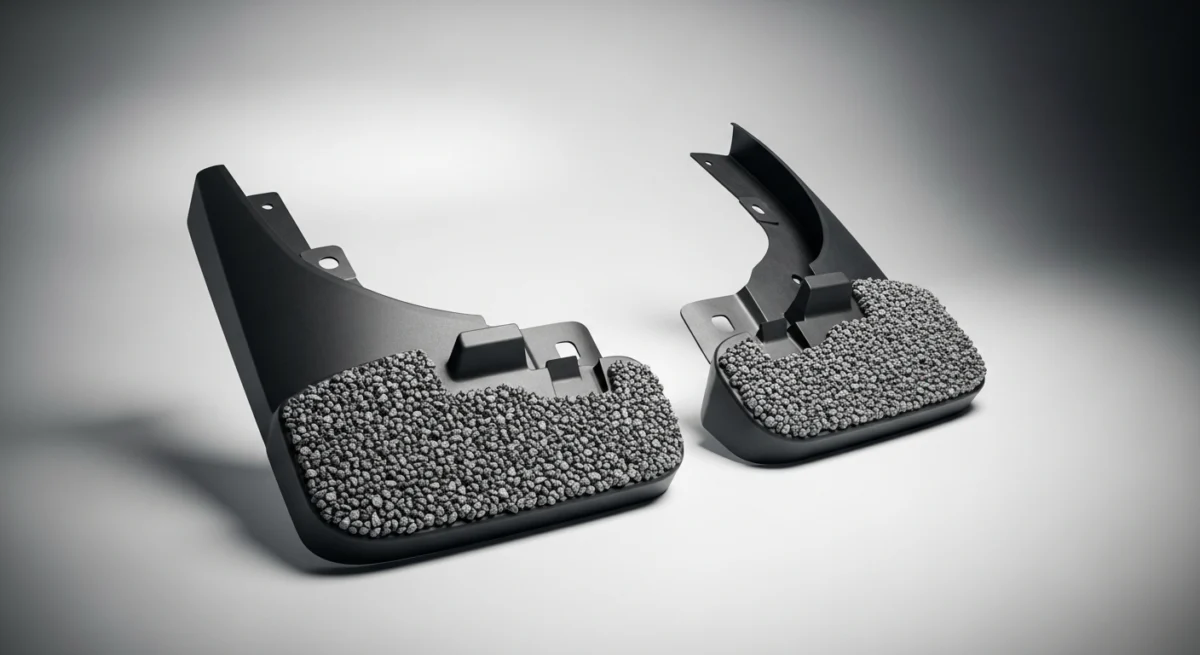
Mud flaps are typically rectangular pieces of flexible material, like rubber or plastic, mounted behind the wheels of a vehicle. Their primary function is to deflect mud, rocks, water, and other road debris thrown up by the tires.
- They work by intercepting the trajectory of the debris. As the tire spins, it kicks up material from the road surface. The mud flap acts as a barrier, catching much of this debris before it can strike the vehicle’s body, undercarriage, or vehicles following behind.
- By controlling the spray of water and mud, mud flaps also improve visibility for other drivers, particularly during wet conditions.
Benefits and Key Features of Gravel Road Mud Flaps
Investing in high-quality mud flaps designed for gravel roads offers a multitude of benefits:
- Paint Protection: Prevents chipping and scratching of the paint, maintaining your vehicle’s appearance and resale value. Gravel, especially at higher speeds, acts like miniature projectiles.
- Undercarriage Protection: Shields vital components like brake lines, fuel lines, and exhaust systems from damage caused by impacts from rocks and debris.
- Reduced Spray: Improves visibility for following vehicles by minimizing the spray of water and mud, especially crucial in wet or muddy conditions. This is a major safety benefit.
- Legal Compliance: In some jurisdictions, mud flaps are legally required, particularly for larger vehicles.
- Prevention of Windshield Damage to Following Vehicles: Small rocks kicked up can cause significant damage, leading to costly repairs for other drivers. Mud flaps help mitigate this risk.
- Enhanced Resale Value: A vehicle with well-maintained paint and an undamaged undercarriage will command a higher resale price.
- Corrosion Prevention: Protects the undercarriage from salt and other corrosive materials commonly found on roads, extending the lifespan of your vehicle.
Key Features to look for:
- Material: Consider rubber, thermoplastic, or polyurethane mud flaps. Rubber offers excellent flexibility and durability but can be heavier. Thermoplastic is lightweight and resists cracking but may be less flexible in cold temperatures. Polyurethane offers a good balance of both.
- Size: The size of the mud flap is crucial. They need to be wide enough to cover the width of the tire and long enough to extend sufficiently below the wheel well.
- Thickness: Thicker mud flaps are generally more durable and resistant to tearing.
- Contoured vs. Flat: Contoured mud flaps are designed to fit the specific contours of your vehicle’s body, providing a more integrated and aesthetically pleasing look. Flat mud flaps are more universal and may require some trimming for a perfect fit.
- Anti-Spray Design: Some mud flaps feature special grooves or textures designed to further reduce water spray.
- Weight: Consider the weight of the mud flap, especially if you are concerned about fuel economy. Heavier mud flaps may slightly decrease fuel efficiency.
- Mounting Hardware: Ensure the mud flaps come with all necessary mounting hardware, including screws, brackets, and instructions. Stainless steel hardware is preferable to resist corrosion.
- Customization Options: Some manufacturers offer mud flaps with custom logos or designs.
- UV Resistance: Look for mud flaps made from UV-resistant materials to prevent fading and cracking from prolonged exposure to sunlight.
Installation Tips for Mud Flaps
While professional installation is always an option, many mud flap kits are designed for DIY installation. Here are some essential tips:
- Read the Instructions: Always carefully read and understand the installation instructions provided by the manufacturer.
- Gather Your Tools: Ensure you have all the necessary tools, including a drill, screwdriver, socket wrench, measuring tape, and marking pen.
- Prepare the Area: Clean the area behind the wheel well where the mud flaps will be installed. Remove any dirt, debris, or existing fasteners.
- Positioning: Carefully position the mud flap to ensure proper coverage and alignment. Use a measuring tape to ensure it is centered and level.
- Marking: Use a marking pen to mark the locations for the mounting holes.
- Drilling: Drill pilot holes at the marked locations. Use a drill bit that is slightly smaller than the diameter of the mounting screws.
- Mounting: Secure the mud flap to the vehicle using the provided mounting hardware. Ensure the screws are tightened securely but not over-tightened.
- Trimming (if necessary): If you are using flat mud flaps, you may need to trim them to fit the contours of your vehicle. Use a sharp utility knife or a pair of heavy-duty scissors.
- Test Fit: After installation, double-check the mud flaps to ensure they are securely mounted and do not interfere with the movement of the tires.
- Safety First: Always wear safety glasses when drilling or cutting.
Maintenance and Care for Long-Lasting Mud Flaps
Proper maintenance will extend the lifespan and effectiveness of your mud flaps.
- Regular Cleaning: Wash your mud flaps regularly with soap and water to remove dirt, mud, and road grime. Use a brush to scrub away stubborn stains.
- Inspection: Periodically inspect your mud flaps for cracks, tears, or damage. Replace damaged mud flaps immediately.
- Hardware Check: Check the mounting hardware regularly to ensure it is tight and secure. Tighten any loose screws or bolts.
- UV Protection: Apply a UV protectant spray to your mud flaps to prevent fading and cracking from sun exposure.
- Winter Care: In areas with harsh winters, consider using a rubber protectant to prevent the mud flaps from becoming brittle in cold temperatures.
- Avoid Harsh Chemicals: Avoid using harsh chemicals or solvents to clean your mud flaps, as they can damage the material.
Top Buying Factors to Consider
Choosing the right mud flaps requires careful consideration. Here’s a breakdown of the most important factors:
- Vehicle Compatibility: Ensure the mud flaps are designed to fit your specific vehicle make and model. Universal mud flaps may require modification. Check online retailers or the manufacturer’s website for compatibility information.
- Material Quality: Opt for mud flaps made from high-quality, durable materials that can withstand the rigors of gravel road driving.
- Size and Coverage: Choose mud flaps that provide adequate coverage for your tires. They should be wide enough to prevent debris from being thrown onto the vehicle’s body and long enough to reach below the wheel well.
- Mounting System: Look for mud flaps with a secure and easy-to-install mounting system. Stainless steel hardware is preferable.
- Price: Consider your budget and balance the cost of the mud flaps with their quality and features. While inexpensive mud flaps may seem appealing, they may not be as durable or effective.
- Warranty: Check if the mud flaps come with a warranty. A warranty provides peace of mind and protects you against defects in materials or workmanship.
- Reviews and Ratings: Read online reviews and ratings from other customers to get an idea of the quality and performance of the mud flaps.
- Aesthetics: Choose mud flaps that complement the look of your vehicle. Consider the color, shape, and design.
- Off-Road Usage: If you plan to do a lot of off-road driving, look for mud flaps specifically designed for off-road use. These mud flaps are typically more durable and offer greater ground clearance.
Essential FAQ on Mud Flaps for Gravel Roads
Here are some frequently asked questions about mud flaps for gravel roads:
1. Are mud flaps legally required in all states? No, mud flap regulations vary by state. Some states have specific requirements for the size and placement of mud flaps, particularly for commercial vehicles. Check your local laws to ensure compliance. 2. Can I install mud flaps myself, or do I need a professional? Many mud flap kits are designed for DIY installation and include all necessary hardware and instructions. However, if you are not comfortable working on your vehicle or lack the necessary tools, it is best to have them professionally installed. 3. What is the difference between universal and custom-fit mud flaps? Universal mud flaps are designed to fit a wide range of vehicles, while custom-fit mud flaps are specifically designed for a particular make and model. Custom-fit mud flaps typically offer a more precise fit and easier installation. 4. How often should I replace my mud flaps? The lifespan of mud flaps depends on the material, usage, and environmental conditions. Inspect your mud flaps regularly and replace them if you notice any cracks, tears, or significant damage. 5. Will mud flaps affect my fuel economy? While heavier mud flaps may slightly decrease fuel efficiency, the impact is usually minimal. The benefits of protecting your vehicle from damage and improving visibility far outweigh any potential decrease in fuel economy.
Conclusion
Investing in the right mud flaps is a smart and cost-effective way to protect your vehicle and ensure safer driving on gravel roads. By considering the factors outlined in this guide, you can choose mud flaps that meet your specific needs and provide years of reliable protection. Don’t underestimate the power of these simple accessories – they are essential for preserving your vehicle’s value and ensuring a safer, more enjoyable driving experience.