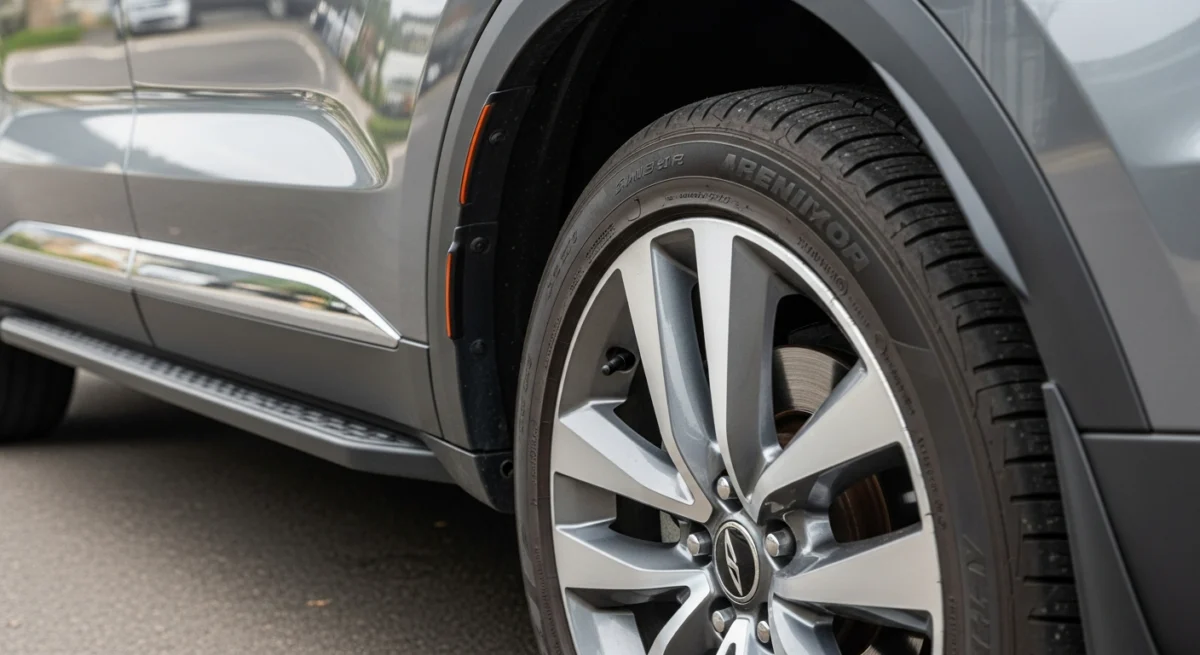
Here’s your guide to mud flaps and wheel well protection:
Mud flaps and wheel well liners: often overlooked, yet essential components for maintaining your vehicle’s appearance and structural integrity. Did you know that road debris accounts for over 60% of paint chips and undercarriage corrosion? Investing in quality protection is not just about aesthetics; it’s about safeguarding your investment. Let’s delve into the world of mud flaps and wheel well protection to ensure your vehicle stays protected from the elements and the road’s harsh realities.
Understanding Mud Flaps and Wheel Well Protection
What are Mud Flaps?
Mud flaps, also known as splash guards, are panels typically made of rubber, plastic, or metal, installed behind the wheels of a vehicle. Their primary function is to deflect mud, water, rocks, salt, and other road debris propelled into the air by the tires. This prevents these projectiles from hitting other vehicles, pedestrians, or the vehicle itself.
How Mud Flaps Work
Mud flaps work by creating a physical barrier between the spinning tires and the environment. As the tires rotate, they kick up loose material from the road surface. The mud flap intercepts this material, redirecting it downwards towards the road, minimizing its impact on surrounding objects and the vehicle’s undercarriage. Their effectiveness depends on their size, material, and proper installation.
What are Wheel Well Liners?
Wheel well liners, also called fender liners or inner fenders, are typically made of durable plastic or composite materials and are designed to fit snugly inside the wheel wells of a vehicle. They provide a protective barrier between the tires and the vehicle’s body, preventing debris from directly contacting the metal surfaces.
How Wheel Well Liners Work
Wheel well liners act as a shield against rust and corrosion. They keep road salt, water, and other contaminants away from vulnerable areas like the frame, wiring, and brake lines. They also help reduce road noise by dampening vibrations and preventing debris from rattling against the metal body. Furthermore, they often improve aerodynamics by smoothing out the airflow within the wheel well.

Benefits and Key Features
Benefits of Mud Flaps
- Protect Vehicle Paint: Minimizes paint chips and scratches caused by flying debris.
- Reduce Rust and Corrosion: Prevents road salt and water from reaching the undercarriage.
- Improve Safety: Reduces the risk of debris hitting other vehicles or pedestrians.
- Enhance Appearance: Adds a stylish and functional touch to your vehicle.
- Legal Compliance: Some areas require mud flaps on certain types of vehicles.
Key Features of Mud Flaps
- Material: Rubber, plastic, or metal – each offering different levels of durability and flexibility. Thermoplastic is a popular choice balancing durability and cost.
- Size and Shape: Varies depending on the vehicle type and desired level of protection. Larger flaps offer greater coverage.
- Mounting Style: Universal fit or custom-molded for specific vehicle models. Custom options usually offer a cleaner look.
- Finish: Smooth, textured, or with custom logos and designs.
- Anti-spray Technology: Some premium mud flaps feature grooves or patterns to further reduce spray.
Benefits of Wheel Well Liners
- Prevent Rust and Corrosion: A primary defense against the elements that cause rust.
- Reduce Road Noise: Dampens vibrations and noise from road debris.
- Protect Electrical Components: Shields wiring harnesses and sensors from damage.
- Improve Aerodynamics: Smoother airflow in the wheel wells.
- Maintain Resale Value: Helps keep the vehicle in better condition long-term.
Key Features of Wheel Well Liners
- Material: Typically high-density polyethylene (HDPE) or other durable plastics.
- Fit: Custom-molded for a precise fit in specific vehicle models.
- Coverage: Full or partial coverage of the wheel well area.
- Attachment Method: Mounting hardware and instructions are typically included.
- Sound Dampening Properties: Some liners are designed to reduce road noise.
Installation Tips
Mud Flap Installation Tips
- Gather Tools: You will typically need a socket set, screwdriver, drill (if required), and measuring tape.
- Read Instructions: Carefully review the installation instructions provided by the manufacturer.
- Proper Alignment: Ensure the mud flaps are properly aligned with the wheel well before drilling any holes.
- Use Correct Hardware: Use the correct screws or bolts for secure attachment.
- Tighten Securely: Tighten all hardware to the specified torque to prevent loosening.
- Drilling Caution: If drilling is required, be careful not to damage any underlying components. Mark your drill points accurately.
Wheel Well Liner Installation Tips
- Clean the Wheel Well: Remove any dirt, debris, or rust from the wheel well before installation.
- Test Fit: Test fit the liner to ensure proper alignment and fit.
- Secure Attachment: Use the provided mounting hardware to securely attach the liner to the wheel well.
- Follow Instructions: Carefully follow the manufacturer’s instructions for specific attachment points and procedures.
- Avoid Over-tightening: Over-tightening the mounting hardware can damage the liner or the vehicle’s body.
- Check for Interference: After installation, check for any interference with the tires or suspension components.
Maintenance and Care
Mud Flap Maintenance
- Regular Cleaning: Wash mud flaps regularly with soap and water to remove dirt and grime.
- Inspect for Damage: Check for cracks, tears, or loose hardware.
- Tighten Hardware: Periodically tighten mounting hardware to prevent loosening.
- Protective Coating: Apply a plastic or rubber protectant to keep them looking new.
Wheel Well Liner Maintenance
- Routine Cleaning: Rinse out the wheel wells periodically to remove accumulated debris.
- Inspect for Cracks: Inspect for any cracks or damage, especially after off-road driving.
- Check Fasteners: Ensure all fasteners are tight and secure.
- Repair Minor Damage: Small cracks can sometimes be repaired with plastic welding techniques or suitable adhesives.
Top Buying Factors
Mud Flap Buying Factors
- Vehicle Compatibility: Ensure the mud flaps are designed for your specific vehicle make and model.
- Material Durability: Choose a material that can withstand the weather conditions and road hazards in your area.
- Size and Coverage: Select a size that provides adequate protection for your vehicle.
- Ease of Installation: Consider the ease of installation and whether you need professional assistance.
- Aesthetics: Choose a style that complements your vehicle’s appearance.
- Price: Balance your budget with the desired level of quality and features.
- Customer Reviews: Read reviews from other customers to get an idea of product performance and reliability.
Wheel Well Liner Buying Factors
- Vehicle Specific Fit: Ensure the liner is specifically designed for your vehicle model.
- Material Quality: Look for durable, high-density plastic that can withstand impacts and extreme temperatures.
- Coverage Area: Determine whether you need full or partial coverage based on your driving conditions.
- Noise Reduction: If noise reduction is important, look for liners with sound-dampening features.
- Installation Complexity: Check the installation instructions and assess whether you can install them yourself or require professional help.
- Brand Reputation: Choose reputable brands known for quality and reliability.
- Cost: Compare prices from different retailers to find the best deal.
Essential FAQ
Q: Are mud flaps required by law? A: It depends on your location and the type of vehicle. Many states have regulations regarding mud flaps, particularly for large trucks and commercial vehicles, to prevent debris from endangering other drivers. Check your local laws to ensure compliance.
Q: Can I install mud flaps and wheel well liners myself? A: Yes, most mud flaps and wheel well liners are designed for DIY installation. However, some installations may require drilling or special tools. If you are not comfortable with basic automotive repairs, it’s best to seek professional assistance.
Q: What’s the difference between universal and custom-fit mud flaps? A: Universal mud flaps are designed to fit a wide range of vehicles, while custom-fit mud flaps are specifically molded for a particular vehicle make and model. Custom-fit options typically provide a better fit and a more integrated appearance.
Q: How do I clean my wheel well liners? A: You can clean wheel well liners with soap and water. Use a brush to remove any stubborn dirt or grime. For heavy-duty cleaning, you can use a pressure washer, but be careful not to damage the liner.
Q: What are the long-term benefits of installing these products? A: The long-term benefits include protecting your vehicle from rust, corrosion, and paint damage, maintaining its resale value, reducing road noise, and ensuring legal compliance where required. Investing in mud flaps and wheel well liners can save you money and hassle in the long run.
Conclusion
Protecting your vehicle from the relentless assault of road debris is crucial for its longevity and appearance. Mud flaps and wheel well liners are cost-effective solutions that offer significant benefits. By understanding their features, installation, maintenance, and buying factors, you can make an informed decision that will keep your vehicle looking its best for years to come. Don’t overlook these essential accessories – they are an investment in your vehicle’s future!