Mud Flap Adjustment: The Ultimate Guide to Protecting Your Vehicle and Others
Spray from tires is a constant nuisance for drivers. The good news? Properly adjusted mud flaps are your shield against road debris, water, and other hazards thrown up by your tires. Believe it or not, 60% of damage to vehicles is from road debris. Neglecting mud flap adjustment not only increases the risk of paint chips, dents, and rust on your own vehicle, but also endangers following drivers. This guide provides a deep dive into mud flap adjustment, ensuring you get the most out of this crucial vehicle accessory.
Understanding Mud Flaps: Functionality and Importance
What are Mud Flaps and How Do They Work?
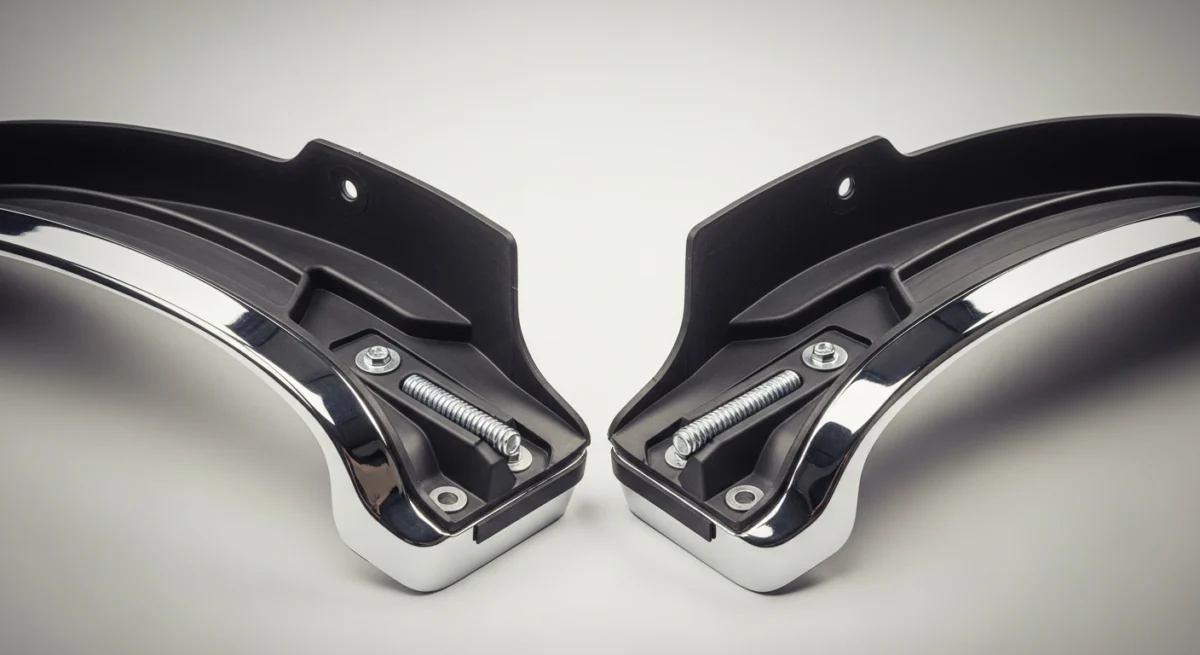
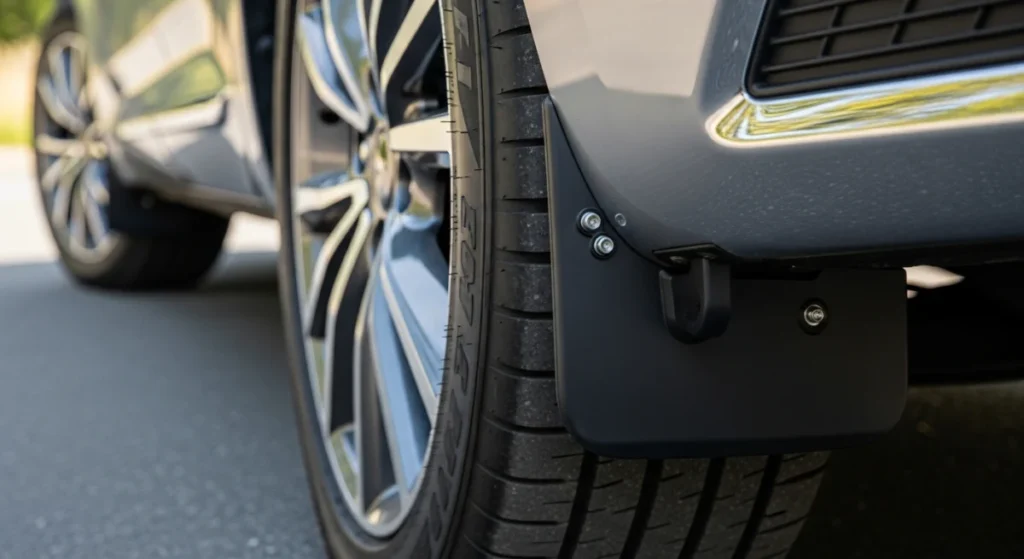
Mud flaps, also known as splash guards or splash aprons, are protective barriers installed behind your vehicle’s tires. Their primary function is simple: to intercept and deflect debris propelled upwards by the rotating tires. This debris can include water, mud, rocks, salt, snow, and even small pieces of asphalt. By catching this spray, mud flaps significantly reduce the amount of material that hits your vehicle’s body, the vehicles behind you, and even pedestrians. Think of them as your vehicle’s personal defense system against the elements and the road itself.
The effectiveness of a mud flap hinges largely on its placement and adjustment. A correctly positioned mud flap hangs low enough to effectively catch the debris but isn’t so low that it drags on the ground, causing premature wear or damage. They work passively, using their surface area and positioning to redirect the trajectory of projectiles.
Types of Mud Flaps
There are several kinds of mud flaps available to choose from, depending on your vehicle and driving needs:
- Universal Mud Flaps: Designed to fit a wide range of vehicles, offering a versatile and cost-effective solution.
- Molded Mud Flaps: Custom-made for specific vehicle makes and models, ensuring a perfect fit and enhanced aesthetics.
- Heavy-Duty Mud Flaps: Constructed from durable materials like thick rubber or composite, designed for trucks and vehicles operating in demanding environments.
- Anti-Spray Mud Flaps: Feature a special design to minimize water spray, particularly effective in wet conditions.
- Decorative Mud Flaps: Offer aesthetic customization with logos, designs, or reflective elements.
The Benefits and Key Features of Properly Adjusted Mud Flaps
Investing in and correctly adjusting your mud flaps offers a range of benefits that extend beyond just keeping your car clean.
Protection for Your Vehicle
- Paint Protection: Mud flaps prevent chips and scratches caused by flying debris, preserving your vehicle’s paint job and resale value.
- Rust Prevention: By minimizing exposure to water, salt, and other corrosive elements, mud flaps help prevent rust formation on your vehicle’s undercarriage and body panels.
- Damage Reduction: Mud flaps deflect rocks and other larger debris that can cause dents and damage to your vehicle’s body.
Enhanced Safety for Others
- Reduced Spray: Mud flaps significantly reduce the amount of water and debris spray directed towards following vehicles, improving visibility for other drivers, especially in wet conditions.
- Decreased Risk of Stone Chips: By catching rocks and other small projectiles, mud flaps minimize the risk of these objects hitting and damaging the windshields of vehicles behind you.
- Pedestrian Safety: Mud flaps help prevent water and debris from splashing onto pedestrians, improving their safety and comfort.
Other Important Features
- Durability: Look for mud flaps made from high-quality, weather-resistant materials that can withstand harsh conditions and repeated impacts.
- Flexibility: Choose mud flaps that are flexible enough to bend and flex without breaking, especially if you frequently drive on rough terrain.
- Easy Installation: Opt for mud flaps that are easy to install and adjust, with clear instructions and all necessary hardware included.
- Aesthetics: Select mud flaps that complement your vehicle’s style and appearance.
- Compliance: Ensure the mud flaps you choose comply with local regulations regarding size and placement.
Mud Flap Installation and Adjustment Tips
Proper installation and adjustment are crucial for maximizing the effectiveness of your mud flaps.
Pre-Installation Preparation
- Gather Your Tools: You’ll typically need a socket set, wrench, screwdriver (Phillips and flathead), measuring tape, and potentially a drill (depending on the mud flap type and your vehicle).
- Review the Instructions: Carefully read the instructions provided with your mud flaps. These instructions will provide specific guidance for your vehicle model and the mud flap type.
- Clean the Area: Thoroughly clean the area where the mud flaps will be installed, removing any dirt, grime, or rust. This will ensure proper adhesion (if applicable) and prevent corrosion.
- Safety First: Wear safety glasses and gloves to protect yourself from debris and sharp edges.
Installation Steps
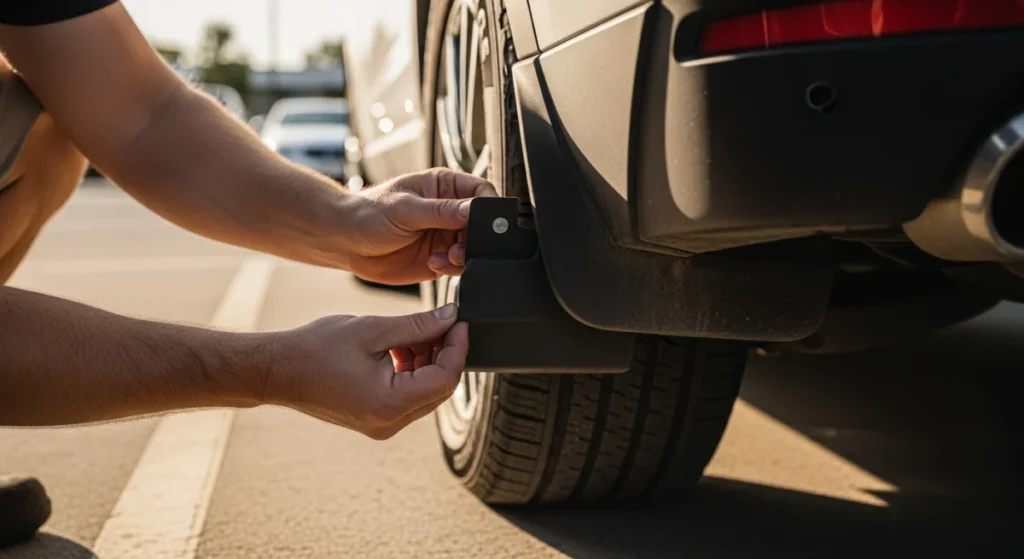
1. Position the Mud Flap: Hold the mud flap in place and align it with the existing mounting points on your vehicle. 2. Mark the Holes: If necessary, use a marker to mark the locations for drilling new holes. 3. Drill the Holes (If Required): Using a drill bit that matches the size of the mounting hardware, carefully drill the holes at the marked locations. 4. Attach the Mud Flap: Secure the mud flap to the vehicle using the provided mounting hardware (screws, bolts, clips, etc.). Make sure the mud flap is securely fastened and doesn’t wobble. 5. Repeat for All Mud Flaps: Repeat the above steps for the remaining mud flaps. 6. Torque Specifications: Consult your vehicle’s service manual to determine the correct torque specifications for the fasteners. Overtightening can damage the fasteners or the vehicle body.
Adjustment for Optimal Performance
- Height Adjustment: The bottom edge of the mud flap should be low enough to effectively catch debris but not so low that it drags on the ground. A good rule of thumb is to have it positioned a few inches above the ground when the vehicle is unloaded. Consider the vehicle’s ride height when fully loaded.
- Width Adjustment: The mud flap should be wide enough to cover the full width of the tire. This will prevent debris from being thrown out to the sides.
- Angle Adjustment: The angle of the mud flap can also be adjusted to optimize its performance. Generally, a slight outward angle is preferred to deflect debris away from the vehicle.
- Clearance: Ensure there’s sufficient clearance between the mud flap and the tire, especially when the suspension is compressed. Insufficient clearance can cause the mud flap to rub against the tire, leading to damage.
- Wheel Well Liners: Work around wheel well liners where applicable; improper mounting here can lead to damage.
Mud Flap Maintenance and Care
Regular maintenance will extend the life of your mud flaps and ensure they continue to perform effectively.
Cleaning
- Regular Washing: Wash your mud flaps regularly with soap and water to remove dirt, grime, and salt.
- Pressure Washing (Use Caution): A pressure washer can be used to clean mud flaps, but be careful not to hold the nozzle too close, as this can damage the material.
- Specialized Cleaners: Consider using specialized cleaners designed for rubber or plastic to remove stubborn stains and protect the material.
Inspection
- Regular Inspections: Inspect your mud flaps regularly for signs of wear, damage, or loose mounting hardware.
- Check for Cracks and Tears: Replace mud flaps that are cracked, torn, or otherwise damaged.
- Tighten Loose Hardware: Tighten any loose mounting hardware to prevent the mud flaps from coming loose.
Protection
- UV Protection: Apply a UV protectant spray to help prevent fading and cracking caused by sun exposure.
- Winter Protection: In areas with heavy snow and ice, consider using mud flaps designed for winter conditions or removing your mud flaps during the winter months to prevent damage from ice buildup.
Top Buying Factors When Choosing Mud Flaps
Choosing the right mud flaps for your vehicle involves considering several factors.
- Vehicle Type: Select mud flaps that are specifically designed for your vehicle type (car, truck, SUV, etc.).
- Material: Choose mud flaps made from durable, weather-resistant materials such as rubber, plastic, or composite. Consider the climate you drive in (extreme heat, cold, etc.).
- Size and Shape: Ensure the mud flaps are the appropriate size and shape to provide adequate coverage for your tires.
- Mounting Hardware: Check that the mud flaps come with all the necessary mounting hardware and that the hardware is of good quality.
- Ease of Installation: Look for mud flaps that are easy to install and adjust, with clear instructions provided.
- Price: Compare prices from different manufacturers and retailers to find the best value for your money.
- Reviews: Read online reviews from other customers to get an idea of the quality and performance of different mud flap models.
- Brand Reputation: Choose mud flaps from a reputable brand known for producing high-quality automotive accessories.
- Aesthetics: Consider the appearance of the mud flaps and choose a style that complements your vehicle’s overall look.
Essential FAQ: Mud Flaps
Q: Are mud flaps required by law? A: Regulations vary by state and vehicle type. Many states require mud flaps on trucks and commercial vehicles to prevent debris from being thrown onto other vehicles. Check your local laws for specific requirements.
Q: Can I install mud flaps myself, or do I need a professional? A: Most mud flaps are relatively easy to install yourself with basic tools. However, if you’re not comfortable working on your vehicle, it’s best to have them installed by a professional.
Q: How often should I replace my mud flaps? A: The lifespan of mud flaps depends on their quality and the conditions they’re exposed to. Inspect them regularly for wear and tear and replace them when they become cracked, torn, or damaged.
Q: Do mud flaps affect fuel economy? A: Mud flaps can slightly increase drag, which may slightly reduce fuel economy. However, the effect is usually minimal.
Q: Can I customize my mud flaps with logos or designs? A: Yes, many companies offer custom mud flaps with logos, designs, or lettering. This is a great way to personalize your vehicle and promote your business or interests.
Conclusion
Investing in properly adjusted mud flaps is a small price to pay for the significant protection they offer to your vehicle and others on the road. By understanding the different types of mud flaps, following the installation and adjustment tips outlined in this guide, and performing regular maintenance, you can ensure your mud flaps provide years of reliable service, keeping your vehicle looking its best and contributing to safer driving conditions for everyone.