Mud flap material matters. More than most people realize. We’re talking about the humble mud flap, often an afterthought, but crucial for protecting your vehicle, other vehicles on the road, and the environment. Studies show that effective mud flaps can reduce stone chip damage to vehicles by up to 80%, and significantly minimize spray which increases visibility for following drivers, especially in wet conditions. Selecting the right material, therefore, isn’t just about aesthetics; it’s about safety, longevity, and preventing costly repairs. This guide dives deep into the world of mud flap materials, providing you with the expert knowledge needed to make the best choice for your needs.
Mud Flap Materials: A Deep Dive
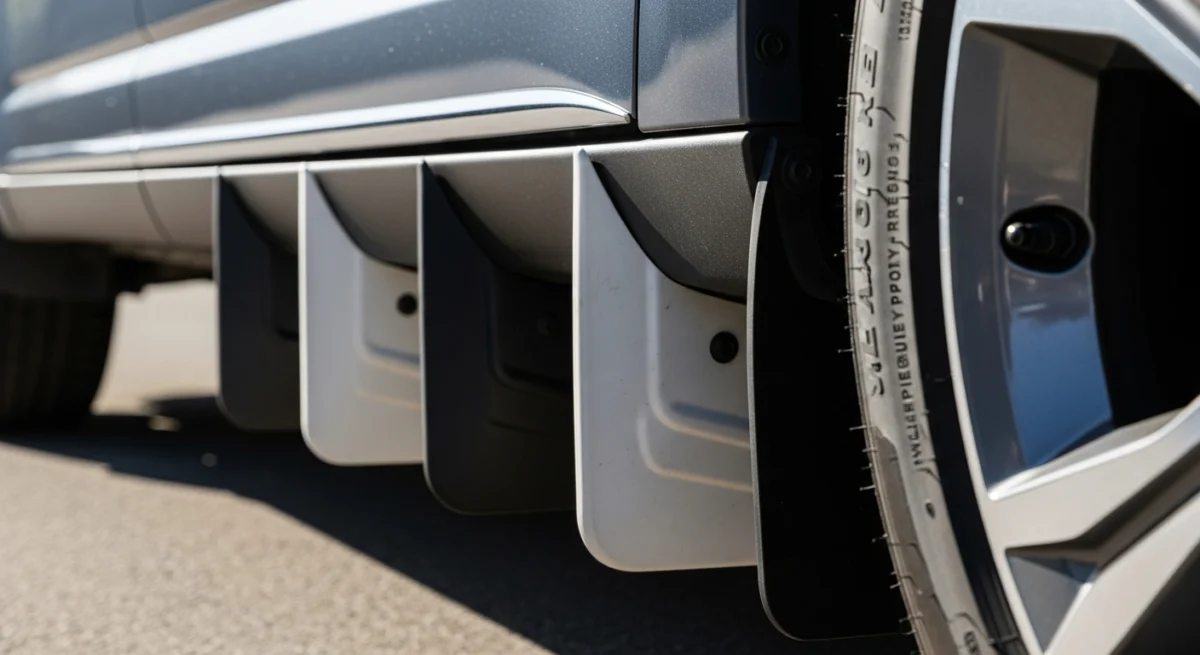
Mud flaps, also called splash guards, are typically rectangular sheets of material attached behind the wheels of vehicles. Their primary function is to catch and deflect road spray, mud, rocks, and other debris kicked up by the tires. This prevents damage to the vehicle itself (especially the undercarriage and paint job), reduces the risk of projectiles hitting other vehicles or pedestrians, and minimizes the amount of debris spread onto the road.
What is it / How it Works
The effectiveness of a mud flap hinges on its material properties: flexibility, durability, resistance to impacts, and environmental tolerance. As the wheel rotates and encounters debris, the mud flap acts as a barrier, slowing down and redirecting the material downwards. The ideal material needs to be flexible enough to bend without breaking under impact, yet strong enough to withstand constant abrasion and the elements. The principle is simple – intercept and deflect. Think of it like a shield against the constant barrage of road grime.
Benefits and Key Features
Each mud flap material boasts unique strengths and weaknesses. Here’s a breakdown of the most common types:
- Rubber:
- Benefits: Excellent flexibility, high abrasion resistance, good chemical resistance, often recycled materials available.
- Key Features: Available in various thicknesses and hardness levels (durometer), can withstand extreme temperatures, absorbs impact well.
- Thermoplastic (Polyethylene, Polyurethane, PVC):
- Benefits: Lightweight, durable, customizable with logos and designs, good resistance to chemicals and UV radiation.
- Key Features: Can be molded into complex shapes, available in various colors, varying degrees of flexibility and impact resistance depending on the specific thermoplastic.
- Thermoplastic Olefin (TPO):
- Benefits: Excellent impact resistance, even at low temperatures, lightweight, recyclable, good chemical resistance.
- Key Features: Designed for demanding environments, maintains flexibility in extreme cold, often preferred for heavy-duty applications.
- Aluminum:
- Benefits: Extremely durable, resistant to corrosion, aesthetically appealing (especially when polished or powder-coated).
- Key Features: Rigid, offers superior protection against large debris, commonly used on trucks and trailers.
- Stainless Steel:
- Benefits: Highly durable, rust-proof, aesthetically pleasing, resistant to high temperatures.
- Key Features: Typically used in heavy-duty or specialized applications where corrosion resistance is paramount. Often more expensive.
- Brush Mud Flaps:
- Benefits: Excellent at reducing spray, self-cleaning, long lifespan.
- Key Features: Made of numerous flexible strands that effectively trap and redirect water and debris, popular on semi-trucks.
Installation Tips (if applicable)
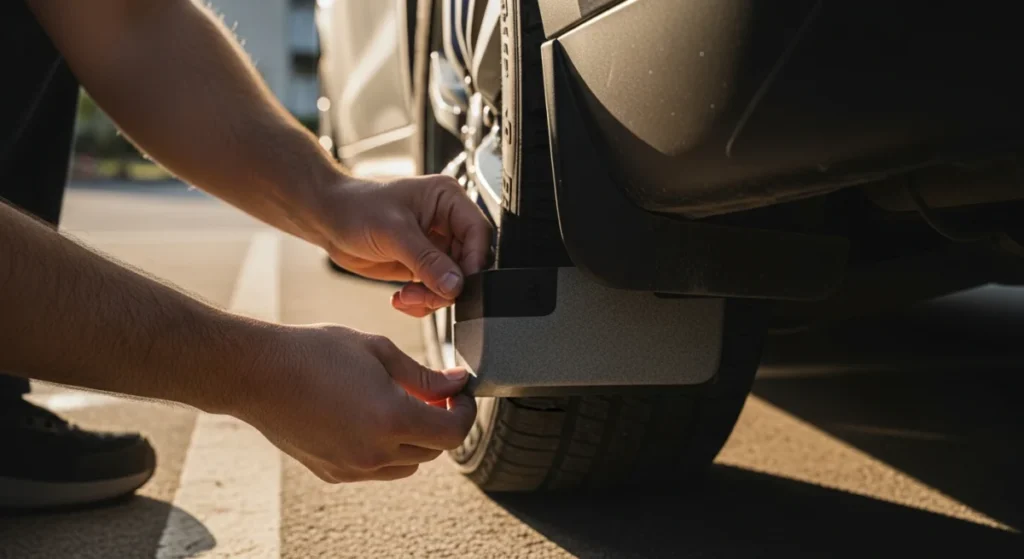
- Rubber/Thermoplastic Flaps: Typically installed using self-tapping screws or bolts into the fender well. Ensure proper alignment and secure fastening to prevent flapping and damage. Use backing washers to distribute the load and prevent tear-out. Consider using existing mounting points where available.
- Aluminum/Stainless Steel Flaps: Requires drilling and bolting. Use appropriate drill bits for metal and ensure a secure and rust-proof connection. Consider using rubber washers to dampen vibration and prevent galvanic corrosion between dissimilar metals.
- General Advice: Always consult the vehicle manufacturer’s recommendations for mud flap installation. Ensure the flaps do not interfere with tire movement or suspension components. Proper placement is critical for optimal performance.
Maintenance and Care
- Regular Cleaning: Wash mud flaps regularly with soap and water to remove accumulated dirt and grime. This prevents build-up that can degrade the material over time.
- Inspection: Periodically inspect mud flaps for signs of damage, such as cracks, tears, or loose fasteners. Replace damaged flaps promptly to maintain their effectiveness.
- Rubber Treatment: Apply a rubber protectant to rubber mud flaps to prevent drying and cracking, especially in harsh sunlight.
- Metal Polishing (for Aluminum/Stainless Steel): Polish metal mud flaps regularly to maintain their shine and prevent corrosion.
- Fastener Tightening: Check and tighten all fasteners regularly to ensure the mud flaps remain securely attached.
Top Buying Factors
Choosing the right mud flap material involves considering several factors:
- Vehicle Type: The size and type of vehicle will influence the appropriate mud flap size and material. Heavy-duty vehicles often require more robust materials like TPO, aluminum, or stainless steel.
- Driving Conditions: If you frequently drive on gravel roads or in harsh weather conditions, choose a material that is highly resistant to abrasion and impact.
- Climate: Consider the temperature range in your area. Some materials become brittle in extreme cold, while others may soften in extreme heat. TPO excels in cold weather, while some thermoplastics offer better UV resistance in hot climates.
- Aesthetics: Mud flaps can be a visual element on your vehicle. Choose a material and finish that complements your vehicle’s style.
- Budget: Mud flap materials vary in price. Rubber and basic thermoplastics are typically the most affordable, while stainless steel and TPO are more expensive.
- Durability: How long do you need the mud flap to last? Consider higher grade plastics for more longevity.
- Legality: Check local regulations regarding mud flap size and placement. Some jurisdictions have specific requirements.
- Ease of Installation: Choose a material and design that is easy to install, especially if you plan to do it yourself.
- Spray Suppression: Brush-style mud flaps and specific designs are better at preventing spray than standard flat flaps.
- Customization Options: If you want to add logos or custom designs to your mud flaps, choose a material that is easily customizable, such as thermoplastic.
Essential FAQs
- Q: Are rubber mud flaps better than plastic mud flaps?
- A: It depends on your needs. Rubber offers excellent flexibility and abrasion resistance, making it ideal for environments where impact is common. Plastic is lighter and offers greater customization options.
- Q: How often should I replace my mud flaps?
- A: Replace mud flaps when they become damaged, cracked, or torn. The lifespan of a mud flap depends on the material and the driving conditions. Regularly inspect the flaps for wear and tear.
- Q: Can I install mud flaps myself?
- A: Yes, most mud flaps can be installed yourself with basic tools. Follow the manufacturer’s instructions carefully and ensure proper alignment and secure fastening.
- Q: What is the best material for mud flaps in cold weather?
- A: TPO (Thermoplastic Olefin) is generally considered the best material for mud flaps in cold weather due to its excellent impact resistance and flexibility, even at low temperatures.
- Q: Do mud flaps really make a difference?
- A: Absolutely! They protect your vehicle and other vehicles from damage caused by road debris, improve visibility in wet conditions by reducing spray, and help keep roads cleaner. They are a worthwhile investment.
Conclusion
The seemingly simple mud flap is a critical component for vehicle protection and road safety. By understanding the properties of different materials, considering your specific needs, and following proper installation and maintenance procedures, you can choose the right mud flaps to protect your vehicle, enhance its appearance, and contribute to a safer driving environment for everyone. Don’t underestimate the power of a well-chosen, well-maintained mud flap!