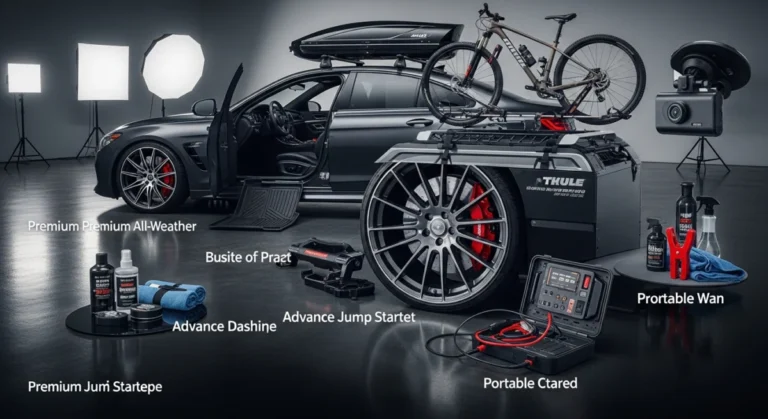
Is your family road trip feeling a bit…cramped? Are ski vacations turning into Tetris competitions inside your car? You’re not alone. According to a recent study, lack of cargo space is a leading cause of in-car arguments on long drives. But there’s a simple, elegant solution: the luggage roof box. These aerodynamic marvels can transform your vehicle from a claustrophobic capsule into a family-friendly transport machine, all while keeping your passengers happy and your skis safe. Let’s dive into everything you need to know about choosing, installing, and maintaining your own roof box.
What is a Luggage Roof Box?
A luggage roof box, also known as a car top carrier, is a hard-shelled container designed to be mounted on the roof of a vehicle. Think of it as an external trunk, providing additional storage space for luggage, sporting equipment, camping gear, and other bulky items.
How it Works
Roof boxes attach to your vehicle’s existing roof rack system. This system typically consists of crossbars that span the width of the roof, resting on side rails or directly on the roof itself using specialized mounting points. The roof box then clamps or bolts onto these crossbars, creating a secure and stable platform for your cargo.
The aerodynamic design of most roof boxes helps to minimize wind resistance, reducing the impact on fuel economy and minimizing wind noise. They come in various sizes, shapes, and materials to suit different vehicle types and cargo needs.
Benefits and Key Features
Investing in a roof box offers a multitude of benefits that can significantly enhance your travel experience.
Increased Cargo Space
The most obvious benefit is the extra storage capacity. Roof boxes can add hundreds of liters of space, allowing you to transport everything from skis and snowboards to camping equipment and suitcases. This frees up valuable space inside the car, improving passenger comfort and reducing clutter.
Weather Protection
Roof boxes offer excellent protection from the elements. Whether it’s rain, snow, or harsh sunlight, your belongings will remain safe and dry inside the sealed container. This is especially important for sensitive items like electronics or camping gear.
Security
Many roof boxes come with built-in locking mechanisms, providing an added layer of security for your belongings. This is particularly useful when traveling and parking in unfamiliar areas. The hard-shell construction also makes it more difficult for thieves to access your items compared to soft-sided cargo carriers.
Aerodynamic Design
Modern roof boxes are designed with aerodynamics in mind. Their sleek shapes help to minimize wind resistance, reducing drag and improving fuel efficiency. This is a crucial factor to consider, as a poorly designed roof box can significantly impact your vehicle’s performance.
Key Features to Look For:
- Size and Capacity: Choose a box that fits your vehicle and meets your cargo needs. Consider the length, width, and height of the box.
- Material: Look for durable materials like ABS plastic or fiberglass, which offer excellent weather resistance and impact protection.
- Mounting System: Ensure the mounting system is compatible with your vehicle’s roof rack system and is easy to install and remove.
- Locking Mechanism: A secure locking mechanism is essential for protecting your belongings from theft.
- Opening Mechanism: Consider whether you prefer a single-sided or dual-sided opening, which can provide easier access to your cargo.
- Aerodynamic Design: Look for a box with a streamlined shape to minimize wind resistance and noise.
Installation Tips
Installing a roof box is generally a straightforward process, but it’s important to follow the manufacturer’s instructions carefully.
Pre-Installation Checks
- Verify Compatibility: Ensure the roof box and mounting hardware are compatible with your vehicle’s roof rack system. Consult the manufacturer’s guidelines or your vehicle’s owner’s manual.
- Gather Tools: Have the necessary tools on hand, such as wrenches, screwdrivers, and measuring tape.
- Inspect Components: Check all components for damage before installation.
Installation Steps
1. Position the Box: Carefully lift the roof box onto your vehicle’s roof rack. Center it between the crossbars. 2. Attach Mounting Hardware: Follow the manufacturer’s instructions to attach the mounting hardware to the crossbars. Ensure the clamps or bolts are securely tightened. 3. Check Stability: Once the box is mounted, double-check its stability. Gently rock the box to ensure it is securely attached to the roof rack. 4. Adjust as Needed: If necessary, adjust the position of the box to ensure it is properly centered and doesn’t interfere with the vehicle’s operation.
Important Considerations
- Weight Limit: Be aware of your vehicle’s and the roof box’s weight limits. Exceeding these limits can compromise safety and damage your vehicle.
- Proper Placement: Ensure the box is properly centered and doesn’t obstruct your view or interfere with the vehicle’s antenna or sunroof.
- Seek Assistance: If you’re uncomfortable with the installation process, consider seeking assistance from a professional.
Maintenance and Care
Proper maintenance and care will ensure your roof box lasts for many years.
Cleaning
- Regularly clean your roof box with mild soap and water to remove dirt, grime, and road salt.
- Avoid using harsh chemicals or abrasive cleaners, which can damage the surface.
- Rinse thoroughly and allow the box to dry completely before storing.
Storage
- When not in use, store your roof box in a cool, dry place away from direct sunlight.
- Consider using a roof box storage bag to protect it from dust and scratches.
- Store the mounting hardware in a safe place so you can easily find it when you need it.
Inspections
- Regularly inspect your roof box for any signs of damage, such as cracks, dents, or loose hardware.
- Tighten any loose bolts or clamps.
- Repair any damage promptly to prevent further deterioration.
Top Buying Factors
Choosing the right roof box involves considering several key factors.
Vehicle Compatibility
Ensure the roof box is compatible with your vehicle’s roof rack system. Check the manufacturer’s guidelines or consult with a professional to confirm compatibility. Consider the length of your vehicle’s roof and the spacing between the crossbars.
Size and Capacity
Select a roof box that meets your cargo needs. Consider the dimensions of your skis, snowboards, or other bulky items. Think about how much storage space you typically need for your trips. Larger families might require a larger box than solo travelers.
Material and Durability
Choose a roof box made from durable materials like ABS plastic or fiberglass. These materials offer excellent weather resistance and impact protection. Look for a box that is UV-resistant to prevent fading and cracking over time.
Aerodynamics and Noise
Select a roof box with a streamlined shape to minimize wind resistance and noise. Read reviews and look for boxes that are known for their quiet operation. Consider features like textured surfaces or noise-dampening materials.
Price and Value
Set a budget and compare prices from different manufacturers. Consider the overall value, including features, durability, and warranty. A higher price doesn’t always guarantee better quality, so do your research.
Essential FAQ
Here are some frequently asked questions about luggage roof boxes.
1. Will a roof box affect my gas mileage? Yes, a roof box will typically reduce your gas mileage due to increased wind resistance. However, modern aerodynamic designs help to minimize this impact. The amount of reduction will vary depending on the size and shape of the box, your driving speed, and the type of vehicle. 2. Are roof boxes waterproof? Most roof boxes are water-resistant, but not completely waterproof. They are designed to keep your belongings dry in rain and snow, but heavy rain or prolonged exposure may allow some moisture to seep in. Consider using waterproof bags for sensitive items. 3. Can I leave my roof box on my car all the time? While you can leave your roof box on your car all the time, it’s generally recommended to remove it when not in use. This will improve your gas mileage, reduce wind noise, and prevent wear and tear on the box and your vehicle’s roof rack. 4. How difficult is it to install a roof box? Installing a roof box is generally straightforward, but it can be heavy and awkward. Most people can install it themselves with the help of a friend or family member. However, if you’re uncomfortable with the process, consider seeking assistance from a professional. 5. What is the weight limit for a roof box? The weight limit for a roof box varies depending on the manufacturer and model. Be sure to check the manufacturer’s specifications and your vehicle’s owner’s manual to determine the maximum weight capacity. Exceeding the weight limit can compromise safety and damage your vehicle.
Conclusion
A luggage roof box is a game-changer for anyone who frequently travels with bulky items. By increasing cargo space, providing weather protection, and enhancing security, a roof box can transform your travel experience. By carefully considering your needs, researching your options, and following the installation and maintenance tips outlined in this guide, you can choose the perfect roof box for your vehicle and enjoy stress-free travels for years to come.