Ever notice how some trucks and trailers just *pop* a little more on the road, subtly reinforcing their brand identity? Chances are, you’re seeing the power of logo mud flaps. While seemingly a small detail, these custom accessories are a surprisingly effective and relatively inexpensive way for businesses to advertise, protect their vehicles, and project a professional image. In fact, the commercial vehicle aftermarket, where these live, is a multi-billion dollar industry annually. Think about that kind of impact! This guide dives deep into the world of logo mud flaps, giving you the expert knowledge you need to make informed decisions about adding them to your fleet or personal vehicle.
What are Logo Mud Flaps and How Do They Work?
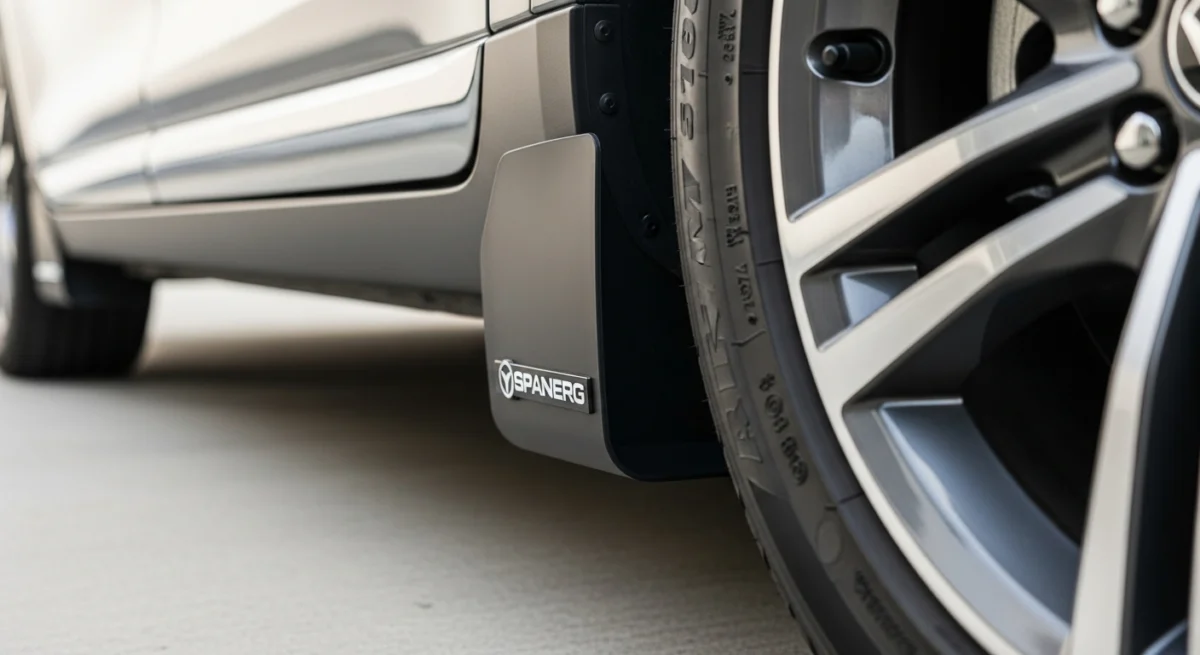
At their core, logo mud flaps are exactly what they sound like: protective flaps mounted behind a vehicle’s wheels that feature a company logo, slogan, or other branding elements. They work by intercepting and deflecting road debris – water, mud, rocks, salt, and other potentially damaging materials – kicked up by the tires. This prevents damage to the vehicle’s undercarriage, trailer, or other vehicles following behind.
The Functional Design
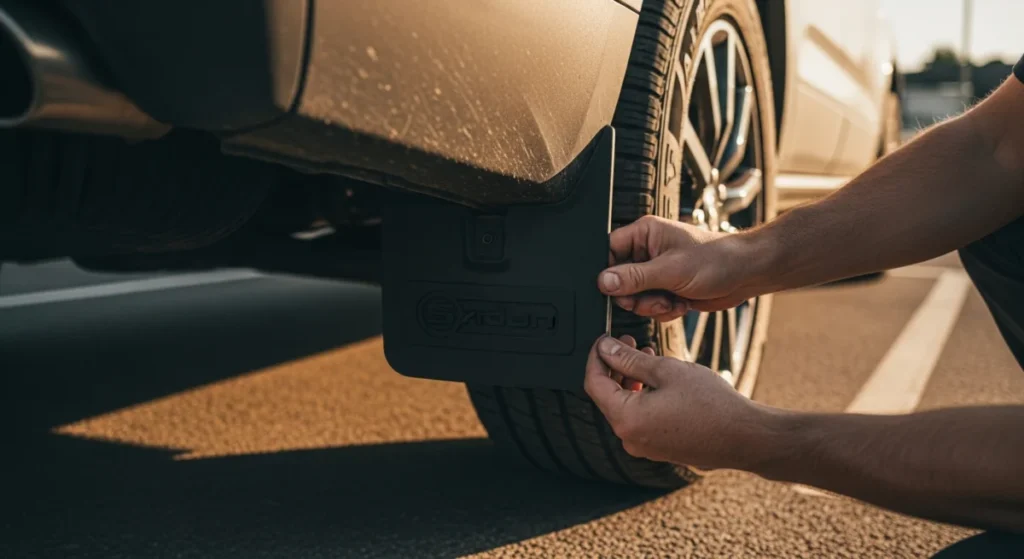
The fundamental design involves a flat, durable material (typically rubber, thermoplastic, or a composite blend) cut into a rectangular or trapezoidal shape. This flap is then secured behind the wheel well using brackets, screws, or other fastening mechanisms. The logo is typically applied using one of several methods:
- Molded-in Logos: This provides the most durable and long-lasting solution. The logo is physically molded into the flap itself during the manufacturing process.
- Screen Printing: An ink-based printing process where ink is forced through a stenciled screen onto the mud flap surface.
- Digital Printing: A more modern method offering high-resolution, full-color logo reproduction. It is less durable than molding, but excellent for detailed graphics.
- Reflective Sheeting: Adds visibility, especially at night, while displaying the logo. Often used for safety applications.
The effectiveness of a mud flap depends on its size, material, and mounting position. Larger flaps offer more protection, while durable materials withstand harsh conditions. Correct installation ensures proper coverage and prevents premature wear.
Benefits and Key Features
Logo mud flaps offer a compelling combination of practical protection and brand marketing. The advantages are undeniable.
Vehicle Protection
This is the primary function. Mud flaps shield your vehicle from:
- Road Debris: Preventing chips, scratches, and dents to the paint and undercarriage.
- Corrosion: Protecting vulnerable metal components from salt and other corrosive elements.
- Water Damage: Reducing the risk of rust and electrical problems caused by water spray.
Brand Marketing
Logo mud flaps provide a cost-effective mobile billboard.
- Increased Visibility: Displaying your logo on the road increases brand awareness and recognition.
- Professional Image: Projecting a polished and professional image to customers and competitors.
- Targeted Advertising: Reaching a specific audience (drivers, truckers, potential clients) in a relevant context.
Safety Considerations
Beyond the obvious, there are safety features to consider.
- Reduced Spray: Minimizing water spray and debris kicked up by tires improves visibility for following vehicles, reducing the risk of accidents.
- Enhanced Visibility: Reflective options significantly increase visibility at night and in low-light conditions.
- Compliance: Mud flaps are often required by law in many jurisdictions, especially for commercial vehicles.
Key Features to Consider
When selecting logo mud flaps, pay attention to these crucial features:
- Material Durability: Choose materials that are resistant to tearing, cracking, UV damage, and extreme temperatures.
- Logo Application Method: Select a method that aligns with your budget and desired level of durability.
- Size and Coverage: Ensure the flaps provide adequate coverage for your vehicle’s tires.
- Mounting Hardware: Opt for durable, corrosion-resistant hardware that will securely attach the flaps to your vehicle.
- Anti-Sail Design: Look for flaps with features like weighted bottoms or ribs to reduce flapping and improve aerodynamics.
Installation Tips (If Applicable)
Installing logo mud flaps is a relatively straightforward process, but proper installation is crucial for ensuring their effectiveness and longevity.
Preparation
Before you begin, gather the necessary tools and materials:
- Wrench or Socket Set: To tighten bolts and nuts.
- Drill with appropriate drill bits: For creating mounting holes (if needed).
- Screwdriver: For tightening screws.
- Measuring Tape: To ensure proper placement.
- Safety Glasses: To protect your eyes from debris.
- Gloves: To protect your hands.
Step-by-Step Installation
1. Positioning: Hold the mud flap in place behind the wheel well and determine the optimal mounting location. Ensure adequate clearance from the tire. 2. Marking: Use a marker to mark the location of the mounting holes on the vehicle’s fender or frame. 3. Drilling (If Required): If there are no existing holes, carefully drill pilot holes at the marked locations. 4. Mounting: Align the mud flap with the holes and secure it using bolts, screws, or rivets. Ensure all fasteners are tightened securely. 5. Repeat: Repeat the process for the remaining mud flaps. 6. Inspection: Double-check that all mud flaps are securely mounted and properly aligned.
Pro Tips
- Consult your vehicle’s manual for specific installation instructions and torque specifications.
- Use thread locker on bolts to prevent them from loosening over time.
- If you are unsure about any part of the installation process, consult a qualified mechanic.
- Consider using existing mounting points to avoid drilling unnecessary holes.
Maintenance and Care
Proper maintenance will extend the life of your logo mud flaps and keep them looking their best.
Regular Cleaning
Wash your mud flaps regularly with soap and water to remove dirt, mud, and road grime. Use a soft brush or sponge to avoid scratching the surface.
Inspection
Inspect your mud flaps periodically for signs of wear and tear, such as cracks, tears, or loose fasteners. Replace damaged flaps promptly to maintain their effectiveness.
Protection
Apply a UV protectant to the mud flaps to prevent fading and cracking caused by sun exposure. For rubber flaps, consider a rubber protectant.
Fastener Maintenance
Check the tightness of mounting hardware regularly and tighten as needed. Replace corroded or damaged fasteners.
Top Buying Factors
Choosing the right logo mud flaps requires careful consideration of several factors:
1. Vehicle Type: Consider the size and type of your vehicle (truck, trailer, SUV, etc.) when selecting mud flaps. Larger vehicles typically require larger flaps. 2. Material Quality: Choose a durable material that can withstand the rigors of daily use and exposure to the elements. 3. Logo Design and Application: Select a logo design and application method that effectively represents your brand and will last for a reasonable amount of time. Consider the level of detail you require. 4. Price: Logo mud flaps range in price depending on the material, size, logo complexity, and quantity. Set a budget and compare prices from different suppliers. 5. Supplier Reputation: Choose a reputable supplier with a track record of providing high-quality products and excellent customer service. Look for reviews and testimonials.
Essential FAQ
Here are some frequently asked questions about logo mud flaps:
Q: Are logo mud flaps required by law?
A: In many jurisdictions, especially for commercial vehicles, mud flaps are required to prevent debris from being thrown onto other vehicles. Check your local regulations for specific requirements.
Q: How long do logo mud flaps typically last?
A: The lifespan of logo mud flaps depends on the material, quality, and usage. With proper maintenance, they can last for several years. Molded-in logos generally last the longest.
Q: Can I design my own logo for mud flaps?
A: Yes, most suppliers offer customization options that allow you to upload your own logo and design. They will typically provide proofs for your approval before production.
Q: What is the best material for logo mud flaps?
A: There is no single “best” material. Rubber is a cost-effective and durable option. Thermoplastic is more resistant to cracking and UV damage. Composite blends offer a combination of properties.
Q: How much do logo mud flaps cost?
A: Prices vary depending on the material, size, logo complexity, and quantity. Expect to pay anywhere from $50 to $200+ per pair, depending on your specific needs and vendor.
Conclusion
Logo mud flaps are more than just simple accessories; they’re a smart investment for protecting your vehicle, promoting your brand, and enhancing safety on the road. By considering the factors outlined in this guide, you can choose the right logo mud flaps to meet your specific needs and reap the many benefits they offer. So, give your fleet that extra edge – both aesthetically and functionally – with a set of custom logo mud flaps.