
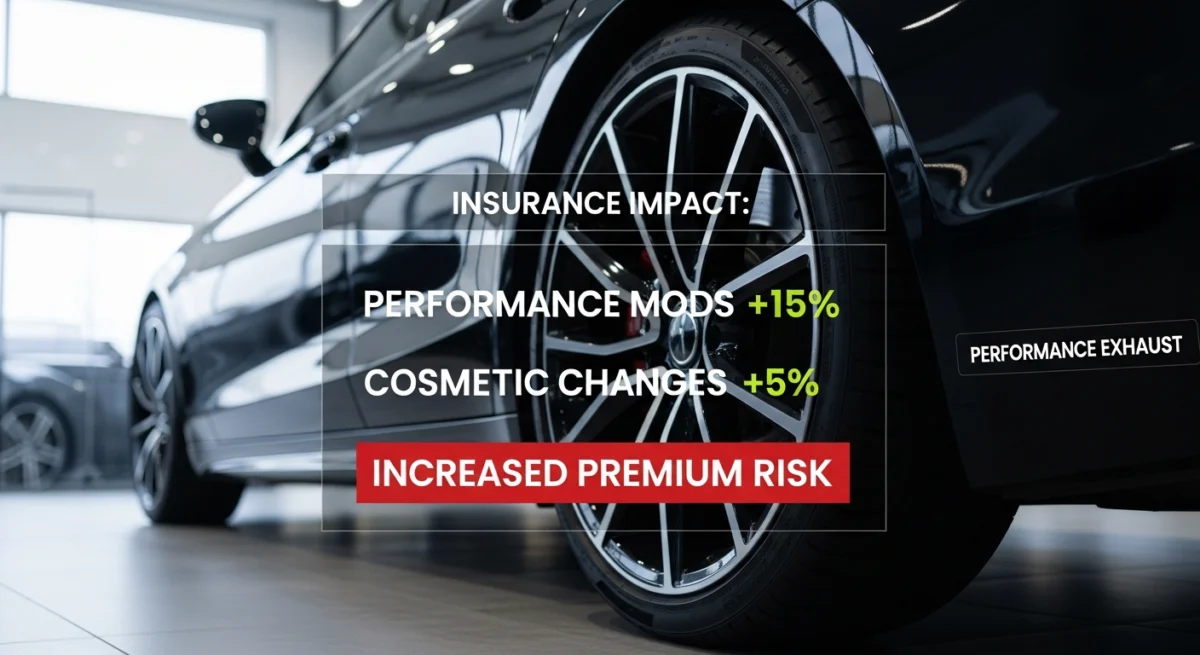
It’s tempting to personalize your car. From bumping up the sound system to adding a sleek spoiler, accessories can make your ride uniquely yours. But before you hit the aftermarket, you should know that adding certain car accessories can significantly impact your car insurance rates. Many car owners don’t consider this when modifying their vehicle. This guide will dive into how different accessories influence your insurance premiums, equipping you with the knowledge to make informed decisions.
Understanding How Car Accessories Affect Insurance
Adding anything to your car that wasn’t originally installed by the manufacturer is considered an aftermarket accessory. Insurers assess these additions based on several factors, including:
- Increased Value: Accessories that increase the overall value of your vehicle can lead to higher insurance premiums.
- Enhanced Performance: Modifications that boost performance, such as engine upgrades, might increase the risk of accidents, impacting your rate.
- Theft Risk: Some accessories are more attractive to thieves, increasing the likelihood of a claim and influencing your premium.
- Safety Impact: Accessories that improve safety might lower premiums, while those that compromise safety could increase them.
It is essential to inform your insurance provider about any modifications you’ve made to your vehicle. Failure to do so could lead to claim denial or policy cancellation.
Popular Car Accessories and Their Insurance Implications
Performance Enhancements
What is it / How it works
Performance enhancements are aftermarket modifications designed to improve a vehicle’s power, speed, and handling. Common examples include engine modifications (ECU tuning, turbochargers), suspension upgrades (lowering springs, coilovers), and exhaust systems. These parts alter the factory settings of your vehicle, potentially leading to higher speeds and more aggressive driving.
Benefits and Key Features
- Increased horsepower and torque
- Improved acceleration and handling
- Enhanced driving experience
Installation tips (if applicable)
Engine modifications should only be performed by qualified mechanics due to their complexity. Suspension modifications require specialized tools and knowledge to ensure proper alignment and handling.
Maintenance and care
Regular maintenance is crucial for performance enhancements. This includes oil changes, spark plug replacements, and regular inspections for wear and tear.
Top buying factors
- Reputable brand
- Professional installation
- Warranty coverage
Insurance Impact: Insurers view performance enhancements as increasing the risk of accidents, therefore likely increasing premiums. Inform your insurance company about any significant performance modifications.
Audio and Entertainment Systems
What is it / How it works
These systems include aftermarket head units, speakers, subwoofers, amplifiers, and in-car entertainment systems. They replace or augment the factory audio system to provide a better listening experience.
Benefits and Key Features
- Improved sound quality
- Enhanced entertainment options
- Customizable listening experience
Installation tips (if applicable)
Ensure proper wiring to avoid electrical problems. Consider professional installation for complex systems.
Maintenance and care
Keep the system clean and dry. Protect speakers from direct sunlight.
Top buying factors
- Sound quality
- Compatibility with your vehicle
- Ease of use
Insurance Impact: High-end audio systems are attractive to thieves, which can increase the risk of theft and vandalism. This could result in higher premiums. Ensure your system is properly insured and consider a security system.
Security Systems
What is it / How it works
Car alarms, GPS tracking systems, immobilizers, and steering wheel locks are designed to deter theft and vandalism. They alert the owner and/or authorities when the vehicle is tampered with.
Benefits and Key Features
- Deter theft
- Track vehicle location
- Reduce risk of break-ins
Installation tips (if applicable)
Professional installation is recommended for optimal performance.
Maintenance and care
Regularly test the system to ensure it’s functioning correctly.
Top buying factors
- Reliability
- Features (GPS tracking, remote start)
- Brand reputation
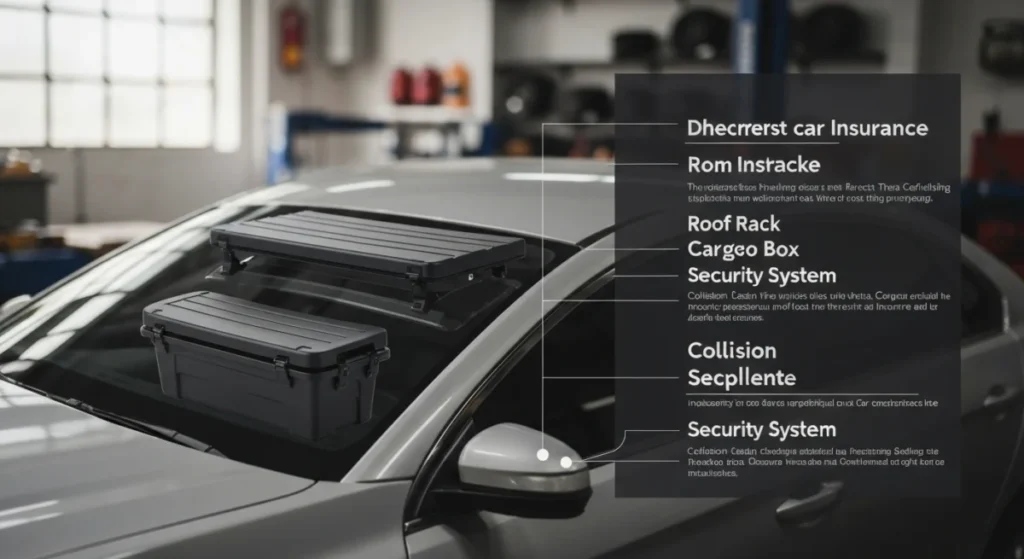
Insurance Impact: Installing a security system generally reduces the risk of theft and vandalism, which can lower your insurance premiums. Many insurance companies offer discounts for vehicles equipped with anti-theft devices.
Wheels and Tires
What is it / How it works
Aftermarket wheels and tires can change a vehicle’s appearance, handling, and performance. Larger wheels, wider tires, and specialized tires (e.g., off-road tires) are common modifications.
Benefits and Key Features
- Improved aesthetics
- Enhanced handling and grip
- Increased off-road capability
Installation tips (if applicable)
Ensure proper fitment to avoid rubbing or clearance issues. Use the correct lug nuts and torque specifications.
Maintenance and care
Regularly check tire pressure and tread depth. Rotate tires to ensure even wear.
Top buying factors
- Size and fitment
- Tire type (all-season, performance, off-road)
- Brand reputation
Insurance Impact: Larger or more expensive wheels and tires increase the vehicle’s value and the potential cost of replacement. Additionally, some tires may lead to an increase in dangerous driving habits. This can result in higher premiums.
Cosmetic Modifications
What is it / How it works
Cosmetic modifications include items that alter the appearance of the vehicle, such as body kits, spoilers, custom paint jobs, window tints, and aftermarket lighting.
Benefits and Key Features
- Enhanced aesthetics
- Personalized look
- Improved aerodynamics (in some cases)
Installation tips (if applicable)
Body kits often require professional installation and painting. Window tinting must comply with local laws.
Maintenance and care
Regular washing and waxing to protect the paint.

Top buying factors
- Design
- Quality of materials
- Fit and finish
Insurance Impact: Cosmetic modifications that increase the vehicle’s value will likely lead to higher premiums. Some modifications, like excessively dark window tints, might increase the risk of accidents and further increase premiums.
Interior Upgrades
What is it / How it works
Interior upgrades include items like seat covers, steering wheel covers, floor mats, dashboard accessories, and custom lighting.
Benefits and Key Features
- Improved comfort
- Enhanced aesthetics
- Protection of original interior
Installation tips (if applicable)
Seat covers should fit snugly and securely. Floor mats should be properly secured to prevent interference with pedals.
Maintenance and care
Regular cleaning to maintain appearance and hygiene.
Top buying factors
- Comfort
- Durability
- Style
Insurance Impact: Most interior upgrades have minimal impact on insurance premiums. However, very expensive or elaborate modifications may slightly increase the vehicle’s value and, consequently, the premium.
Technology Upgrades
What is it / How it works
Technology upgrades include items like dash cams, backup cameras, parking sensors, and heads-up displays (HUDs).
Benefits and Key Features
- Enhanced safety
- Improved visibility
- Increased convenience
Installation tips (if applicable)
Professional installation is recommended for complex systems.
Maintenance and care
Regularly check the functionality of cameras and sensors.
Top buying factors
- Reliability
- Features (recording quality, sensor range)
- Ease of use
Insurance Impact: Technology upgrades that enhance safety, such as dash cams and backup cameras, can potentially lower insurance premiums by reducing the risk of accidents. Some insurance companies offer discounts for vehicles equipped with these features.
Essential FAQs
Q: Do I need to tell my insurance company about every modification I make to my car? A: It’s best practice to inform your insurance company about any modification you make to your car. Some minor modifications might not affect your rates, but it’s always better to be safe than sorry. Failure to disclose modifications could lead to claim denial.
Q: Will adding a lift kit to my truck affect my insurance rates? A: Yes, a lift kit is considered a significant modification that alters the vehicle’s handling and increases its value. This will likely increase your insurance premiums.
Q: Does having a dash cam automatically lower my insurance? A: Not all insurance companies offer discounts for dash cams. However, many recognize the safety benefits and may offer a discount. Check with your insurer to see if they have a dash cam discount program.
Q: What if I remove the aftermarket accessories before selling my car? A: Inform your insurance company if you remove any aftermarket accessories. Removing the accessories could lead to a decrease in your premiums, depending on the accessory.
Q: Can my insurance company refuse to cover damage to my aftermarket accessories? A: Yes, if you haven’t disclosed your modifications to your insurance company, they may refuse to cover damage to them in the event of an accident or theft. It’s crucial to have your accessories properly insured.
Conclusion
Modifying your car can be a fun and rewarding experience. However, it’s crucial to understand how these modifications affect your insurance. Always inform your insurance provider about any significant changes you make to your vehicle. By being proactive and transparent, you can ensure you’re properly covered and avoid any unpleasant surprises in the event of a claim. Taking a measured and informed approach to accessorizing your vehicle is key to enjoying your customized ride with peace of mind.