Mud flaps. They’re not exactly the sexiest automotive accessory, but they’re unsung heroes silently protecting your vehicle and those around you from the relentless barrage of road debris. We’re talking rocks, gravel, mud, snow, salt – the kind of projectiles that can chip paint, crack windshields, and even cause serious accidents. For heavy-duty applications, standard flaps just don’t cut it. This guide dives deep into the world of heavy-duty mud flaps, exploring what makes them different, why you need them, and how to choose the right ones for your ride. So, whether you’re a seasoned trucker, an off-road enthusiast, or simply want the best protection for your daily driver, buckle up and let’s get started.
What are Heavy-Duty Mud Flaps and How Do They Work?
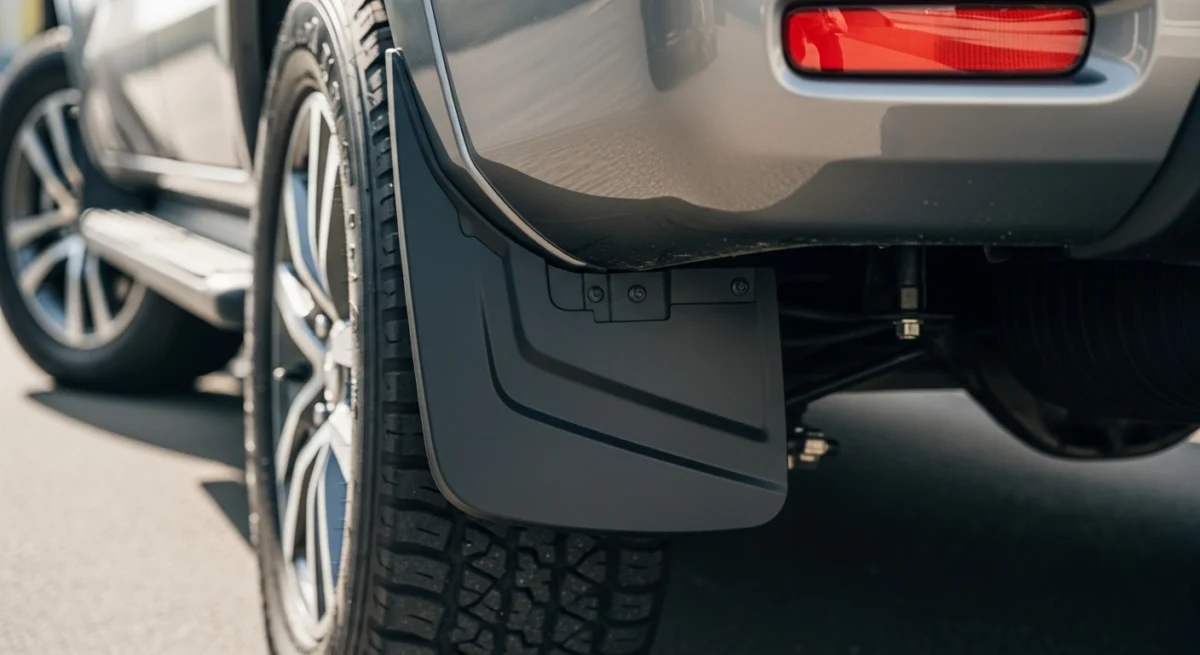
A mud flap is a protective barrier typically made of rubber, plastic, or a composite material, installed behind the wheels of a vehicle. Their primary function is to deflect debris kicked up by the tires, preventing it from impacting the vehicle’s body, other vehicles, or even pedestrians. Heavy-duty mud flaps take this protection to the next level. They’re engineered with thicker, more durable materials and reinforced designs to withstand the constant punishment of challenging environments and high-speed travel.
Think of it this way: a standard mud flap is like a thin raincoat, adequate for a light drizzle. A heavy-duty mud flap is like a heavy-duty, waterproof parka designed to withstand a blizzard.
The Science Behind Deflection
The effectiveness of a mud flap hinges on a few key factors:
- Material: Heavy-duty flaps utilize materials like reinforced rubber or durable thermoplastic, designed to absorb impacts and resist tearing. The material’s flexibility allows it to yield upon impact, minimizing the force transferred.
- Size and Placement: Larger flaps offer a greater surface area for deflection, catching a wider range of debris. Proper placement is crucial; the flap needs to extend low enough to intercept projectiles but high enough to avoid dragging on the ground during normal driving.
- Thickness: The increased thickness of heavy-duty flaps directly contributes to their durability and ability to withstand impacts. Thicker flaps are less likely to tear or deform under stress.
- Weight: Often overlooked, the weight of the flap plays a vital role in its ability to hang down and provide consistent coverage. Lighter flaps can be more easily blown around by wind and are less effective at deflecting low-flying debris.
In essence, heavy-duty mud flaps work by strategically intercepting and redirecting debris, minimizing the impact and damage to your vehicle and those around you.
Benefits and Key Features of Heavy-Duty Mud Flaps
Investing in heavy-duty mud flaps offers a multitude of benefits, extending beyond simple cosmetic protection.
- Superior Protection: This is the primary benefit. They provide a significantly higher level of protection against rocks, mud, road salt, and other hazards compared to standard flaps. This translates to fewer paint chips, reduced undercarriage corrosion, and a cleaner vehicle.
- Enhanced Safety: By preventing debris from being launched onto other vehicles, heavy-duty mud flaps contribute to safer driving conditions. This is especially important for trucks and vehicles that frequently travel on highways or in areas with loose gravel.
- Durability and Longevity: Constructed from rugged materials, these flaps are built to last. They resist tearing, cracking, and fading, even under harsh conditions. This translates to a longer lifespan and reduced replacement costs.
- Compliance with Regulations: In many jurisdictions, mud flaps are legally required for certain types of vehicles, particularly commercial trucks. Heavy-duty flaps often meet or exceed these requirements.
- Professional Appearance: While functionality is paramount, heavy-duty mud flaps can also enhance the appearance of your vehicle, adding a touch of ruggedness and professionalism. Many options are available with custom logos or designs.
- Noise Reduction: Surprisingly, these flaps can help to reduce road noise by absorbing some of the vibrations generated by the tires.
Key Features to Look For
When choosing heavy-duty mud flaps, consider these essential features:
- Material: Common materials include reinforced rubber (often with nylon or steel cords) and durable thermoplastics like polyethylene. Consider your specific needs and the environment you’ll be driving in when selecting a material.
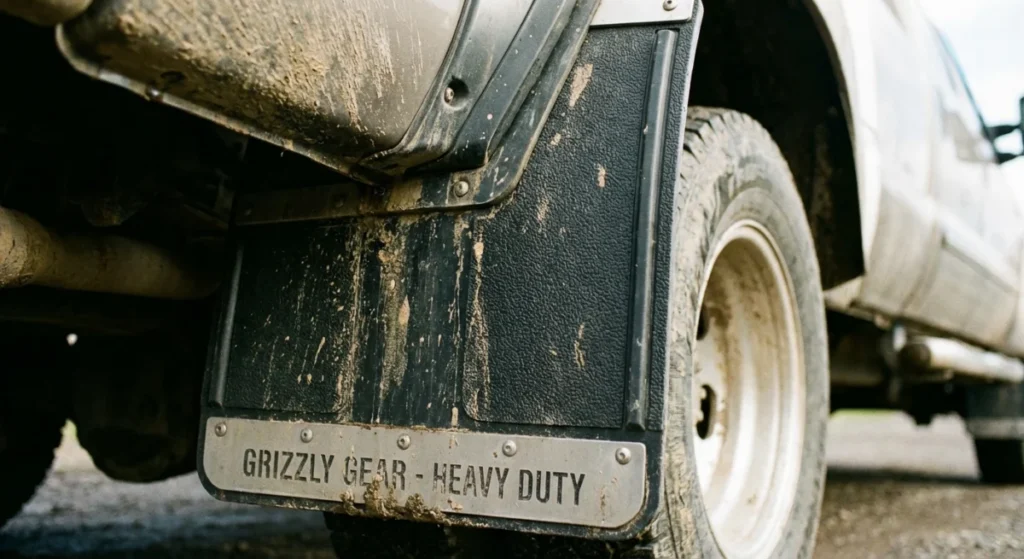
- Thickness: Thicker flaps offer better protection and durability. Look for flaps with a minimum thickness of 3/8 inch for heavy-duty applications. Some even go up to 1/2 inch thick.
- Size and Shape: Choose a size and shape that provides adequate coverage for your tires. Consider the width of your tires and the overall dimensions of your vehicle.
- Mounting Hardware: Ensure that the flaps come with robust mounting hardware that can withstand the vibrations and stresses of driving. Stainless steel hardware is a good choice for corrosion resistance.
- Anti-Sail Design: Some flaps feature an anti-sail design, which helps to prevent them from flapping excessively at high speeds. This can improve aerodynamics and reduce noise.
- Customization Options: If you want to add a personal touch, look for flaps that can be customized with your logo or other designs.
Installation Tips for Heavy-Duty Mud Flaps
While professional installation is always recommended, installing heavy-duty mud flaps is a manageable DIY project for those with some mechanical aptitude.
- Gather Your Tools: You’ll need a drill, a socket set, a measuring tape, a pencil, and safety glasses.
- Review Instructions: Always read the manufacturer’s instructions carefully before starting the installation.
- Positioning: Accurately measure and mark the desired location for the flaps. Ensure that they are properly aligned and provide adequate coverage.
- Drilling: Drill pilot holes for the mounting hardware. Be careful not to drill through any wires or other components.
- Mounting: Securely attach the flaps using the provided mounting hardware. Tighten the bolts or screws to the recommended torque.
- Check for Clearance: After installation, check for proper tire clearance and ensure that the flaps are not rubbing against any parts of the vehicle.
- Safety First: Always wear safety glasses when drilling and working under your vehicle.
Maintenance and Care for Longevity
Proper maintenance can significantly extend the lifespan of your heavy-duty mud flaps.
- Regular Cleaning: Periodically wash your mud flaps with soap and water to remove dirt, mud, and road salt. This will help to prevent corrosion and maintain their appearance.
- Inspection: Regularly inspect your mud flaps for any signs of damage, such as tears, cracks, or loose mounting hardware. Repair or replace damaged flaps promptly.
- Tighten Hardware: Periodically check the tightness of the mounting hardware and tighten as needed.
- Avoid Harsh Chemicals: Avoid using harsh chemicals or solvents to clean your mud flaps, as these can damage the material.
- Storage (if applicable): If you remove your mud flaps for seasonal storage, store them in a cool, dry place to prevent them from deteriorating.
Top Buying Factors to Consider
Choosing the right heavy-duty mud flaps involves carefully considering several factors:
- Vehicle Type: The type of vehicle you drive will influence the size and shape of the flaps you need. Consider the tire size, fender design, and overall dimensions of your vehicle.
- Driving Conditions: The type of driving you do will also play a role. If you frequently drive off-road or in areas with harsh weather conditions, you’ll need more durable flaps.
- Material Quality: Choose flaps made from high-quality materials that are resistant to tearing, cracking, and fading.
- Price: Heavy-duty mud flaps can range in price from relatively inexpensive to quite expensive. Set a budget and compare prices from different vendors.
- Warranty: Look for flaps that come with a warranty, as this can provide peace of mind in case of defects.
- Reviews: Read online reviews from other customers to get an idea of the quality and performance of different brands and models.
- Aesthetics: While functionality is the most important factor, you may also want to consider the appearance of the flaps. Choose a style that complements the look of your vehicle.
- Local Regulations: Before purchasing, ensure the mud flaps comply with any local regulations regarding size, height, and material.
Essential FAQs about Heavy-Duty Mud Flaps
Here are some frequently asked questions about heavy-duty mud flaps:
- Q: Are heavy-duty mud flaps worth the extra cost compared to standard flaps?
A: Absolutely, if you’re looking for superior protection and durability. The initial investment is higher, but the longer lifespan and reduced risk of damage to your vehicle make them a worthwhile investment in the long run.
- Q: Can I install heavy-duty mud flaps myself, or do I need to take it to a professional?
A: As mentioned in the installation tips, if you are comfortable with basic mechanical tasks, you can install them yourself. However, if you’re not comfortable drilling and working under your vehicle, it’s best to have them professionally installed.
- Q: What materials are best for heavy-duty mud flaps?
A: Reinforced rubber and durable thermoplastics are both excellent choices. Reinforced rubber offers excellent flexibility and impact resistance, while thermoplastics are known for their durability and resistance to chemicals.
- Q: How often should I replace my heavy-duty mud flaps?
A: The lifespan of your mud flaps will depend on the driving conditions and the quality of the materials. However, you should inspect them regularly for damage and replace them as needed. Generally, expect a lifespan of 5-7 years for quality heavy-duty flaps.
- Q: Will heavy-duty mud flaps affect my fuel economy?
A: While any addition to your vehicle’s weight can potentially impact fuel economy, the effect of heavy-duty mud flaps is minimal and generally unnoticeable. Some anti-sail designs can even *improve* aerodynamics slightly.
Conclusion
Heavy-duty mud flaps are a crucial investment for anyone looking to protect their vehicle from the rigors of the road. By understanding their function, benefits, and key features, you can make an informed decision and choose the right flaps for your specific needs. Remember to prioritize quality materials, proper installation, and regular maintenance to ensure that your mud flaps provide years of reliable protection. From safeguarding your paint job to enhancing safety for other drivers, the advantages of these often-overlooked accessories are undeniable. Happy trails, and may your vehicle be forever free from flying gravel!