Floor Mat Replacement Frequency: A Comprehensive Guide for Vehicle Owners
Let’s face it, floor mats are the unsung heroes of your car’s interior. They silently endure dirt, mud, snow, spills, and the constant wear and tear from our feet. But how often should you replace these humble guardians? The answer isn’t a simple one-size-fits-all; it depends on a variety of factors. Studies show that neglecting floor mats can lead to accelerated carpet wear, impacting your vehicle’s resale value and even potentially posing a safety hazard by interfering with pedal operation. In this guide, we’ll delve into the world of floor mats, covering everything from identifying wear and tear to choosing the right replacements and maintaining them for longevity. We’ll explore the factors influencing replacement frequency, helping you make informed decisions to protect your vehicle and your wallet.
Understanding Automotive Floor Mats
What are Floor Mats and How Do They Work?
Floor mats are protective coverings designed to fit the floor area of a vehicle. Their primary function is to shield the original carpeting from dirt, debris, moisture, and general wear. They act as a barrier, preventing these elements from penetrating and damaging the underlying carpet fibers.
They achieve this through various means, depending on the material and design:
- Trapping Debris: Mats with deep grooves or textured surfaces can trap dirt, sand, and water, preventing them from spreading throughout the cabin.
- Water Resistance: Materials like rubber and certain synthetic blends are inherently water-resistant, preventing moisture from soaking into the carpet and causing mold or mildew.
- Abrasion Resistance: Durable materials stand up to the constant abrasion of shoes, preventing the carpet from fraying or wearing thin.
- Custom Fit: Many mats are designed for a precise fit in specific vehicle models, ensuring maximum coverage and protection.
Benefits and Key Features of Replacing Worn Floor Mats
Replacing worn floor mats offers a multitude of benefits extending beyond mere aesthetics.
- Protecting Resale Value: Keeping your vehicle’s interior in good condition is crucial for maintaining its resale value. Replacing worn mats helps prevent long-term carpet damage, which can significantly impact the perceived value of your car.
- Improved Hygiene: Worn mats can harbor bacteria, mold, and allergens. Replacing them creates a cleaner and healthier environment within the vehicle. Regular replacement reduces the build-up of these unwanted elements.
- Enhanced Safety: Severely worn mats can bunch up, slide around, or even interfere with the operation of the pedals. New mats, especially those with anti-slip backing or retention systems, provide a safer driving experience.
- Enhanced Aesthetics: Fresh floor mats can instantly refresh the look of your vehicle’s interior, making it feel cleaner and more inviting.
- Noise Reduction: Thicker floor mats can absorb some road noise, contributing to a quieter and more comfortable ride. This is particularly noticeable with premium materials.
- Protection from Spills: Accidents happen. New mats with raised edges or water-resistant materials can contain spills, preventing them from seeping into the carpet.
- Preventing Rust: In regions with snowy or icy conditions, salt and water can be tracked into the car. Over time, this can lead to rust formation on the floor pan. Floor mats act as a barrier, minimizing this risk.
Floor Mat Installation Tips
While floor mat installation is generally straightforward, here are some tips to ensure a proper and secure fit:
- Remove Old Mats First: This seems obvious, but ensure you completely remove the old mats, including any clips or fasteners.
- Clean the Floor Area: Before installing the new mats, vacuum the carpet thoroughly to remove any dirt or debris.
- Check for Correct Fit: Ensure the new mats are the correct size and shape for your vehicle model. Compare them to the old mats if possible.
- Use Retention Clips/Hooks: Many vehicles have retention clips or hooks to secure the mats. Make sure to use these to prevent the mats from shifting during driving.
- Test Pedal Clearance: After installing the mats, check that they do not interfere with the operation of the pedals (accelerator, brake, and clutch).
- Consider Professional Installation: For complex installations, particularly with custom-fit mats, consider having them professionally installed.
Maintenance and Care of Floor Mats
Proper maintenance can significantly extend the life of your floor mats and delay replacement.
- Regular Cleaning: Vacuum your floor mats regularly to remove loose dirt and debris.
- Spot Cleaning: Clean up spills immediately to prevent staining. Use a mild detergent and a damp cloth.
- Deep Cleaning: Periodically deep clean your mats using a carpet cleaner or pressure washer (for rubber mats).
- Drying: Allow the mats to dry completely before reinstalling them in the vehicle.
- Rotation: If possible, rotate your mats periodically to distribute wear evenly.
- Use a Mat Protector: Consider using a mat protector spray to add an extra layer of protection against stains and wear. This is especially beneficial for fabric mats.
- Avoid Harsh Chemicals: Avoid using harsh chemicals or abrasive cleaners, as they can damage the mat material.
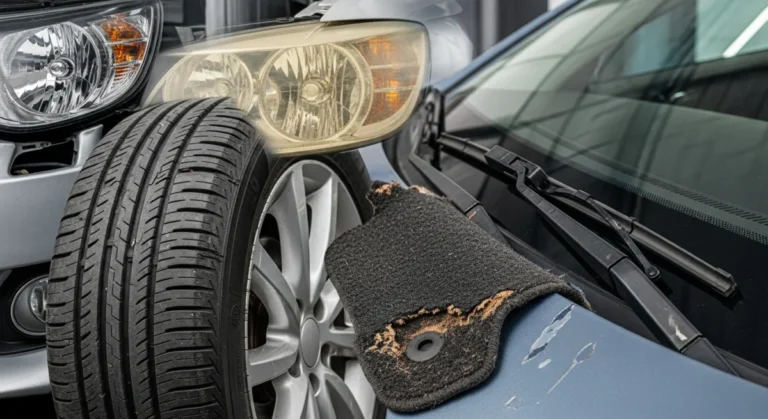
- Check for Wear: Regularly inspect your mats for signs of wear, such as tears, holes, or thinning.
Top Buying Factors When Replacing Floor Mats
Choosing the right replacement floor mats is crucial for optimal protection and longevity. Consider these factors:
- Material:
- Rubber: Durable, water-resistant, and easy to clean. Excellent for heavy-duty use and wet climates.
- Carpet/Fabric: Offers a more comfortable and stylish look. Requires more maintenance and is less water-resistant.
- Vinyl: A budget-friendly option that is water-resistant and easy to clean.
- Thermoplastic Elastomer (TPE): A hybrid material that combines the benefits of rubber and plastic, offering durability, flexibility, and water resistance.
- Fit:
- Universal Fit: Designed to fit a variety of vehicles. May require trimming.
- Custom Fit: Designed specifically for a particular vehicle model. Provides the best coverage and protection.
- Coverage:
- Standard Mats: Cover the main floor area.
- Floor Liners: Offer more comprehensive coverage, extending up the sides of the footwells to protect against spills and debris.
- Design:
- Textured Surface: Helps trap dirt and water.
- Raised Edges: Contain spills and prevent them from spreading.
- Durability:
- Thickness: Thicker mats generally offer better protection and durability.
- Construction: Look for mats with reinforced edges and durable backing.
- Anti-Slip Properties:
- Nibs or Cleats: Help prevent the mats from shifting during driving.
- Retention Systems: Use clips or hooks to secure the mats to the floor.
- Price:
- Budget-Friendly: Basic mats that offer basic protection.
- Mid-Range: Offer a good balance of price and performance.
- Premium: Offer the best quality, durability, and features.
- Brand Reputation:
- Research different brands and read reviews to get an idea of their quality and reliability.
- Warranty:
- A warranty can provide peace of mind knowing that the mats are protected against defects.
Ultimately, the best floor mats for you will depend on your specific needs and preferences. Consider your driving habits, climate, and budget when making your decision.
Essential FAQ: Floor Mat Replacement
*Q1: How often should I *really* replace my car floor mats?*
A: There’s no set timeline, but a good rule of thumb is every 1-3 years, depending on wear and tear. Heavily used vehicles in harsh climates might need replacement sooner. Look for signs like tears, excessive wear, or mats that are no longer staying in place. If the mats are losing their ability to trap dirt effectively, it’s time for a change.
*Q2: Can I just clean my old floor mats instead of replacing them?*
A: Absolutely, regular cleaning is essential! However, cleaning won’t restore severely worn mats. Once they’re torn, frayed, or no longer providing adequate protection, replacement is necessary to prevent further carpet damage and maintain safety. Cleaning is maintenance, not a substitute for eventual replacement.
*Q3: Are expensive, custom-fit floor mats worth the investment?*
A: For many, yes. Custom-fit mats offer superior coverage, protection, and often, better durability. They’re a worthwhile investment if you want to maximize protection of your vehicle’s carpet and maintain its value. However, consider your budget and usage. If your needs are basic, a well-chosen universal fit mat might suffice.
*Q4: What’s the difference between floor mats and floor liners, and which should I choose?*
A: Floor mats are generally flat and cover the main floor area. Floor liners, on the other hand, have raised edges and offer more comprehensive coverage, extending up the sides of the footwells. If you live in a wet or snowy climate, or frequently transport messy items, floor liners provide superior protection against spills and debris. Otherwise, standard floor mats may be sufficient.
*Q5: Could worn floor mats actually be dangerous?*
A: Yes! Severely worn mats can bunch up, slide under the pedals, and interfere with braking or acceleration. This poses a significant safety hazard. Always ensure your floor mats are securely in place and do not obstruct the pedals. If they’re showing signs of significant wear, prioritize replacement for safety’s sake.
Conclusion
Floor mats are more than just decorative accessories; they are essential for protecting your vehicle’s interior, maintaining its value, and ensuring a safe driving experience. By understanding the factors influencing floor mat replacement frequency, choosing the right replacements, and implementing proper maintenance practices, you can keep your vehicle’s floors looking their best for years to come. Don’t wait until your mats are falling apart – proactively assess their condition and replace them when necessary to enjoy the long-term benefits of a well-protected and well-maintained vehicle.