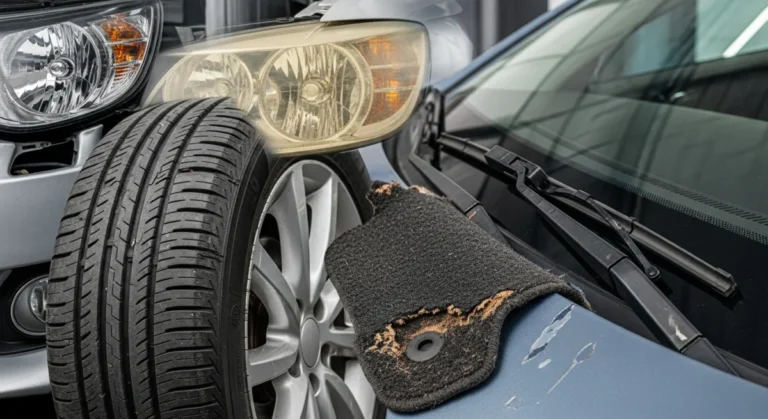
Safety on the road starts from the ground up – literally. It’s easy to overlook, but properly anchored floor mats are a crucial element in preventing accidents and ensuring a safer driving experience. We’re not just talking about aesthetics here; a slipping floor mat can lead to significant and dangerous consequences. Studies show that a surprising number of accidents are attributed, at least partially, to unsecured floor mats interfering with the pedals. In this comprehensive guide, we’ll delve into the often-underappreciated world of floor mat anchoring, exploring why it’s important, how it works, and what you need to know to choose the right system for your vehicle.
The Underrated Importance of Floor Mat Anchoring
What is Floor Mat Anchoring and How Does it Work?
Floor mat anchoring refers to the systems and mechanisms designed to secure your vehicle’s floor mats in place, preventing them from sliding around during driving. These systems work in various ways, but the core principle is to create a firm connection between the mat and the vehicle’s floor. This connection ensures the mat stays in its intended position, away from the accelerator, brake, and clutch pedals.
Different types of anchoring systems exist, each with its own pros and cons:
- Factory-Installed Anchors: Many modern vehicles come equipped with factory-installed anchor points specifically designed for securing floor mats. These typically involve hooks, posts, or clips integrated into the floor pan, which correspond to matching features on the floor mats.
- Universal Anchoring Systems: These are aftermarket solutions designed to work with a wide range of vehicles and floor mat types. They often involve adhesive-backed fasteners or screw-in anchors that can be attached to the floor.
- Retention Posts and Clips: Some floor mats feature retention posts or clips that are designed to engage with specific points on the vehicle’s floor. These are often vehicle-specific and designed for a perfect fit.
- Grommets and Hooks: The floor mat features a grommet hole which anchors over a floor-mounted hook.
The effectiveness of any anchoring system depends on proper installation and the quality of the materials used. Loose or poorly installed anchors can be just as dangerous as having no anchors at all.
Benefits and Key Features of Secure Floor Mats
The benefits of properly secured floor mats extend far beyond mere aesthetics. They contribute directly to driving safety and vehicle maintenance:
- Enhanced Safety: This is the primary benefit. Securely anchored floor mats eliminate the risk of them sliding under the pedals, which can lead to unintended acceleration, delayed braking, or complete loss of control. This is especially crucial in emergency situations where split-second reactions are paramount.
- Reduced Driver Distraction: Constantly adjusting a sliding floor mat is distracting and takes your attention away from the road. Secured mats eliminate this distraction, allowing you to focus on driving safely.
- Improved Vehicle Interior Protection: By staying in place, anchored floor mats provide consistent coverage and protection for your vehicle’s carpeting. This helps to prevent wear and tear, stains, and damage from dirt, mud, and spills, ultimately preserving the resale value of your car.
- Easier Cleaning: Floor mats that stay put are easier to clean. You don’t have to constantly reposition them after vacuuming or washing, saving you time and effort.
- Professional Appearance: Securely anchored floor mats give your vehicle’s interior a cleaner, more organized, and professional appearance. They demonstrate attention to detail and contribute to a more pleasant driving environment.
Key features to look for in a good floor mat anchoring system include:
- Durability: The anchors should be made from robust materials that can withstand repeated use and resist wear and tear. Look for high-quality plastics, metals, or a combination of both.
- Compatibility: Ensure that the anchoring system is compatible with your specific vehicle make and model, as well as with the type of floor mats you are using. Universal systems should offer adjustable features for optimal fit.
- Ease of Installation: The installation process should be straightforward and require minimal tools or expertise. Clear and concise instructions are essential.
- Secure Fit: The anchors should provide a firm and reliable connection between the floor mats and the vehicle’s floor, preventing any slippage or movement.
- Discreet Design: The anchors should be relatively unobtrusive and blend seamlessly with the vehicle’s interior.
Installation Tips for Floor Mat Anchors
Proper installation is key to ensuring the effectiveness of any floor mat anchoring system. Here are some essential tips to follow:
- Read the Instructions Carefully: Always start by thoroughly reading the manufacturer’s instructions. This will provide you with specific guidance for your particular anchoring system.
- Clean the Floor Surface: Before installing any adhesive-backed anchors, thoroughly clean the area of the vehicle’s floor where the anchor will be attached. Use a degreaser or rubbing alcohol to remove any dirt, grease, or residue.
- Position the Mats Correctly: Ensure that the floor mats are properly positioned before installing the anchors. The mats should cover the intended area and not interfere with the pedals.
- Secure Anchors Properly: For screw-in anchors, use the appropriate screwdriver and ensure that the screws are tightened securely. For adhesive-backed anchors, apply firm pressure for the recommended amount of time to ensure a strong bond.
- Test the Anchors: After installation, test the anchors by trying to move the floor mats. The mats should remain firmly in place. If they move, re-tighten the screws or reapply the adhesive.
- Consider Professional Installation: If you are unsure about any aspect of the installation process, consider having a professional mechanic or auto detailer install the anchors for you. This will ensure that the job is done correctly and safely.
Maintenance and Care of Floor Mat Anchoring Systems
Maintaining your floor mat anchoring system is relatively simple but essential to its continued performance and safety.
- Regular Inspections: Periodically inspect the anchors to ensure that they are still securely attached and in good condition. Look for any signs of wear and tear, such as cracks, breaks, or loose screws.
- Cleaning: Clean the anchors regularly to remove any dirt or debris that may accumulate around them. Use a mild detergent and a soft cloth to wipe them down.
- Replacement: If you notice any damage to the anchors, replace them immediately. Do not wait until they completely fail, as this could compromise the safety of your vehicle.
- Retightening: Periodically check and retighten any screws or fasteners to ensure that the anchors remain securely attached.
Top Buying Factors: Selecting the Right Floor Mat Anchoring System
Choosing the right floor mat anchoring system depends on several factors:
- Vehicle Compatibility: The most important factor is ensuring that the system is compatible with your specific vehicle make and model. Check the manufacturer’s specifications or consult with a knowledgeable auto parts dealer.
- Floor Mat Type: Consider the type of floor mats you are using. Some anchoring systems are designed for specific types of mats, such as rubber mats or carpet mats.
- Durability: Look for systems made from high-quality materials that can withstand repeated use and resist wear and tear.
- Ease of Installation: Choose a system that is easy to install, with clear and concise instructions.
- Price: Consider your budget and choose a system that offers good value for the price.
- Customer Reviews: Read online reviews from other customers to get an idea of the system’s performance and reliability.
- Warranty: Check if the system comes with a warranty. A warranty can provide peace of mind and protect you against defects in materials or workmanship.
Essential FAQs About Floor Mat Anchoring
Here are some frequently asked questions about floor mat anchoring:
*Q: Are floor mat anchors really necessary?*
A: Absolutely. While it may seem like a minor detail, unsecured floor mats pose a significant safety risk. They can interfere with the pedals, leading to accidents. Properly anchored mats are a simple but effective way to prevent this.
*Q: Can I use universal floor mat anchors with any type of floor mat?*
A: While universal anchors are designed to be adaptable, it’s crucial to check the compatibility with your specific floor mat type. Some may not work well with thicker or textured mats.
*Q: How often should I inspect my floor mat anchors?*
A: It’s a good practice to inspect your floor mat anchors at least every few months, or whenever you clean your car’s interior. Look for any signs of wear, looseness, or damage.
*Q: Can I install floor mat anchors myself, or do I need professional help?*
A: Most floor mat anchoring systems are designed for DIY installation. However, if you’re not comfortable with basic tools or unsure about the process, professional installation is always a safe bet.
*Q: What should I do if my car doesn’t have factory-installed floor mat anchors?*
A: There are many excellent aftermarket floor mat anchoring systems available. These can be easily installed in vehicles without factory anchors, providing the same level of safety and security.
Conclusion
Floor mat anchoring is a seemingly small detail that can have a significant impact on driving safety. By understanding the importance of secure floor mats, choosing the right anchoring system, and following proper installation and maintenance procedures, you can help protect yourself and your passengers from potential accidents. Don’t underestimate the power of a simple, yet crucial, safety measure. A properly secured floor mat is an investment in peace of mind and a safer driving experience.