Flexible Mud Flaps: The Ultimate Guide to Protecting Your Ride
Tired of rock chips, road grime, and damage to your vehicle’s undercarriage? You’re not alone. According to recent studies, preventable vehicle damage from road debris costs American drivers billions of dollars each year. The unsung hero in preventing much of this damage? The often-overlooked mud flap. And while rigid mud flaps have been around for decades, the evolution of automotive accessories has led to the development of a superior solution: flexible mud flaps. Let’s dive deep into understanding what makes flexible mud flaps the best choice for vehicle protection.
What are Flexible Mud Flaps and How Do They Work?
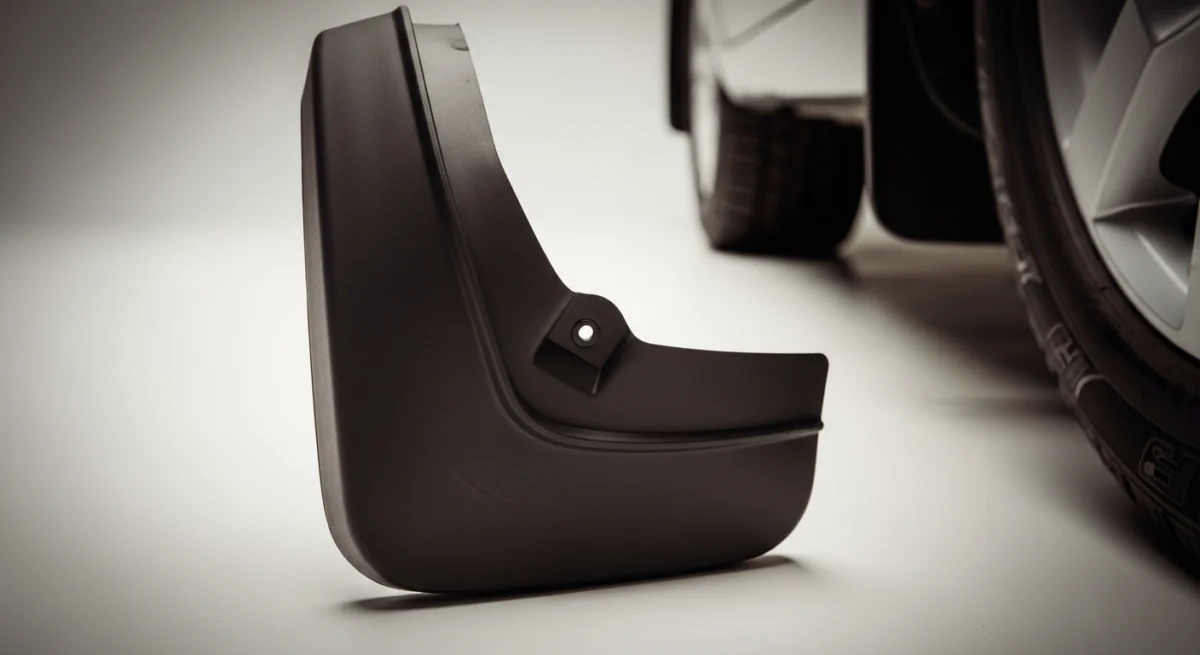
Flexible mud flaps, unlike their rigid counterparts, are designed to bend and flex upon impact rather than break or crack. They are typically made from durable, resilient materials like rubber, thermoplastic elastomers (TPE), or reinforced polyurethane. These materials offer a unique combination of strength, flexibility, and impact resistance.
The Mechanics of Protection
The core functionality of a flexible mud flap is simple: to intercept projectiles launched by the tires of your vehicle. These projectiles can include:
- Rocks and stones
- Mud and dirt
- Water and snow
- Road salt and chemicals
By deflecting these materials downwards and towards the rear, flexible mud flaps protect your vehicle’s:
- Paint
- Body panels
- Undercarriage
- Other vehicles on the road
The “flexible” aspect is what makes them so effective. When a rigid mud flap encounters a significant obstacle, it’s likely to break or transfer the impact force to the mounting points on the vehicle. A flexible mud flap, however, will bend and absorb the impact, minimizing the risk of damage to both the flap itself and the vehicle.
Benefits and Key Features of Flexible Mud Flaps
The advantages of choosing flexible mud flaps over traditional rigid options are numerous.
- Superior Durability: Flexible materials are far less prone to cracking or breaking under stress or impact. This translates to a longer lifespan and reduced replacement costs.
- Enhanced Protection: The ability to bend and conform to obstacles means flexible mud flaps provide better coverage and protection, especially on uneven terrain.
- Reduced Risk of Damage: By absorbing impacts instead of transferring them, flexible mud flaps minimize the risk of damage to the vehicle’s body panels and mounting points.
- Improved Aesthetics: Many flexible mud flaps come in a variety of styles and finishes, allowing you to customize your vehicle’s look while maintaining optimal protection. Customization options may include laser-cut logos, textured surfaces, and a wide array of colors.
- Safety for other vehicles: Reduces the risk of kicking up rocks and debris that can cause damage to vehicles following behind.
- Compliance with Regulations: In many areas, mud flaps are legally required, especially for larger vehicles. Flexible mud flaps ensure compliance with these regulations while providing superior performance.
- All-Weather Performance: Designed to withstand extreme temperatures, from scorching summers to freezing winters, without becoming brittle or losing their flexibility.
Key Features to Look For
When selecting flexible mud flaps, consider these important features:
- Material Quality: Opt for high-quality materials like TPE or reinforced polyurethane for maximum durability and longevity.
- Thickness: Thicker mud flaps offer greater impact resistance but may also be less flexible. Find the right balance for your needs.
- Size and Coverage: Choose mud flaps that provide adequate coverage for your vehicle’s tires. Wider tires generally require wider mud flaps.
- Mounting Hardware: Ensure that the mud flaps come with high-quality, corrosion-resistant mounting hardware. Stainless steel is an excellent choice.
- Anti-Spray Design: Some flexible mud flaps feature integrated anti-spray designs that help minimize water and mud spray, improving visibility for other drivers.
- Universal or Vehicle-Specific Fit: Universal mud flaps can be adapted to fit a wide range of vehicles, while vehicle-specific mud flaps are designed for a precise fit on a particular make and model.
Installation Tips for Flexible Mud Flaps
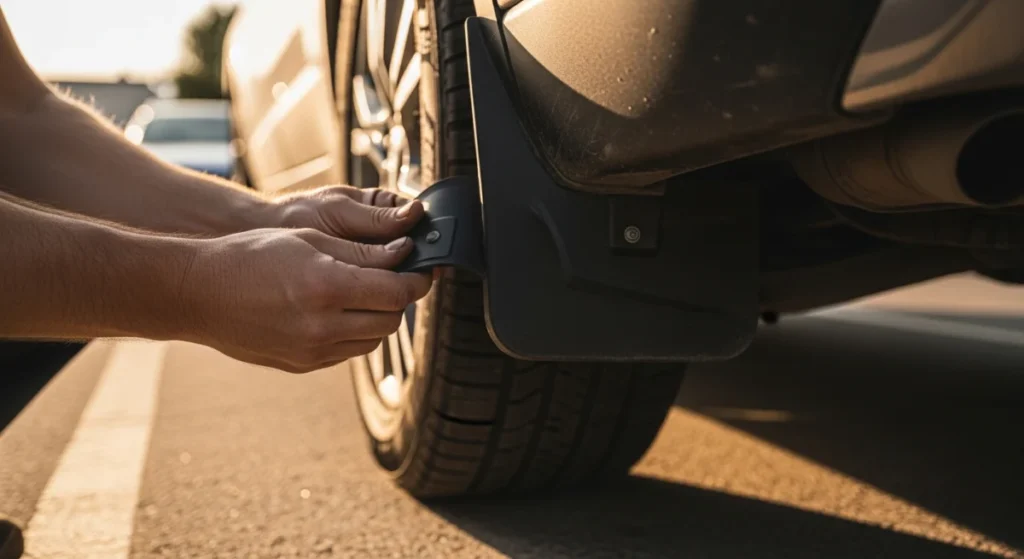
Installing flexible mud flaps is typically a straightforward process, but proper installation is crucial for optimal performance.
General Guidelines
1. Gather Your Tools: You’ll typically need a drill, screwdriver (Phillips or flathead), socket wrench, measuring tape, and safety glasses. 2. Read the Instructions: Carefully review the installation instructions provided by the manufacturer. 3. Position the Mud Flap: Hold the mud flap in place to determine the optimal mounting position. Ensure it provides adequate coverage without interfering with tire movement. 4. Mark the Mounting Holes: Use a marker or pencil to mark the location of the mounting holes on the vehicle’s fender or wheel well. 5. Drill Pilot Holes: Drill small pilot holes at the marked locations. This will make it easier to install the mounting screws or bolts. Be careful not to drill into any brake lines, wiring, or other critical components. 6. Attach the Mud Flap: Secure the mud flap to the vehicle using the provided mounting hardware. Tighten the screws or bolts firmly, but avoid over-tightening. 7. Repeat for All Mud Flaps: Follow the same procedure for all four mud flaps. 8. Test the Installation: After installation, check that the mud flaps are securely attached and do not interfere with tire movement or steering.
Specific Considerations
- Vehicle-Specific Mud Flaps: Vehicle-specific mud flaps typically come with pre-drilled holes and custom mounting brackets for a perfect fit.
- Universal Mud Flaps: Universal mud flaps may require some trimming or modification to fit your vehicle properly.
- No-Drill Mud Flaps: Some mud flaps are designed for no-drill installation, using existing mounting points or adhesive tape. These are often easier to install but may not be as secure as drilled-in mud flaps.
Maintenance and Care for Long-Lasting Performance
Flexible mud flaps are relatively low-maintenance, but a few simple steps can help extend their lifespan and maintain their appearance.
- Regular Cleaning: Wash your mud flaps regularly with soap and water to remove dirt, mud, and road grime.
- Inspect for Damage: Periodically inspect your mud flaps for cracks, tears, or other signs of damage. Replace damaged mud flaps promptly to maintain optimal protection.
- Tighten Mounting Hardware: Check the tightness of the mounting hardware periodically and tighten as needed.
- UV Protection: Consider applying a UV protectant spray to your mud flaps to prevent fading and cracking from sun exposure.
Top Buying Factors to Consider
Choosing the right flexible mud flaps requires careful consideration of several factors.
1. Vehicle Type: Select mud flaps that are appropriate for your vehicle type (car, truck, SUV, etc.). Consider the size and shape of your tires and wheel wells. 2. Driving Conditions: If you frequently drive on gravel roads or in harsh weather conditions, opt for heavy-duty mud flaps made from durable materials. 3. Material Quality: Choose mud flaps made from high-quality materials that can withstand the rigors of daily use. 4. Fit and Installation: Consider whether you prefer vehicle-specific or universal mud flaps, and whether you are comfortable with drilling. 5. Style and Appearance: Select mud flaps that complement your vehicle’s style and appearance. 6. Price: Set a budget and compare prices from different manufacturers and retailers. Remember that quality is more important than price. 7. Reviews and Ratings: Read online reviews and ratings from other customers to get an idea of the quality and performance of different mud flaps.
Essential FAQs About Flexible Mud Flaps
Here are some frequently asked questions about flexible mud flaps:
1. Are flexible mud flaps better than rigid ones? Yes, in most cases. Their flexibility allows them to absorb impacts and prevent damage, offering superior durability and protection. 2. Will flexible mud flaps fit any vehicle? Not all of them. You need to consider whether you are buying universal fit mud flaps, or vehicle-specific mud flaps. 3. How long do flexible mud flaps last? With proper care, high-quality flexible mud flaps can last for many years, even under harsh conditions. The lifespan largely depends on the quality of materials and driving conditions. 4. Do I need to drill to install flexible mud flaps? It depends. Some mud flaps use existing mounting points, some use tape, while others do require drilling. Read the product specifications carefully. 5. Are mud flaps required by law? Regulations vary by location. Check your local laws to determine if mud flaps are required for your vehicle.
Conclusion
Flexible mud flaps are a worthwhile investment for any vehicle owner who wants to protect their ride from road debris and maintain its value. By understanding the benefits, key features, and installation considerations, you can choose the right flexible mud flaps for your needs and enjoy years of reliable protection. Don’t let rock chips and road grime ruin your vehicle’s appearance – invest in a set of high-quality flexible mud flaps today.