Durable mud flaps: A Comprehensive Guide
Tired of paint chips and rock damage on your truck, SUV, or trailer? You’re not alone. Road debris accounts for billions of dollars in vehicle damage every year. While often overlooked, durable mud flaps are a crucial investment in protecting your vehicle and those around you. This guide dives deep into the world of durable mud flaps, exploring their benefits, features, installation, maintenance, and how to choose the right set for your needs. Consider this your definitive resource for understanding and selecting the best mud flaps to keep your ride looking its best.
What Are Durable Mud Flaps and How Do They Work?
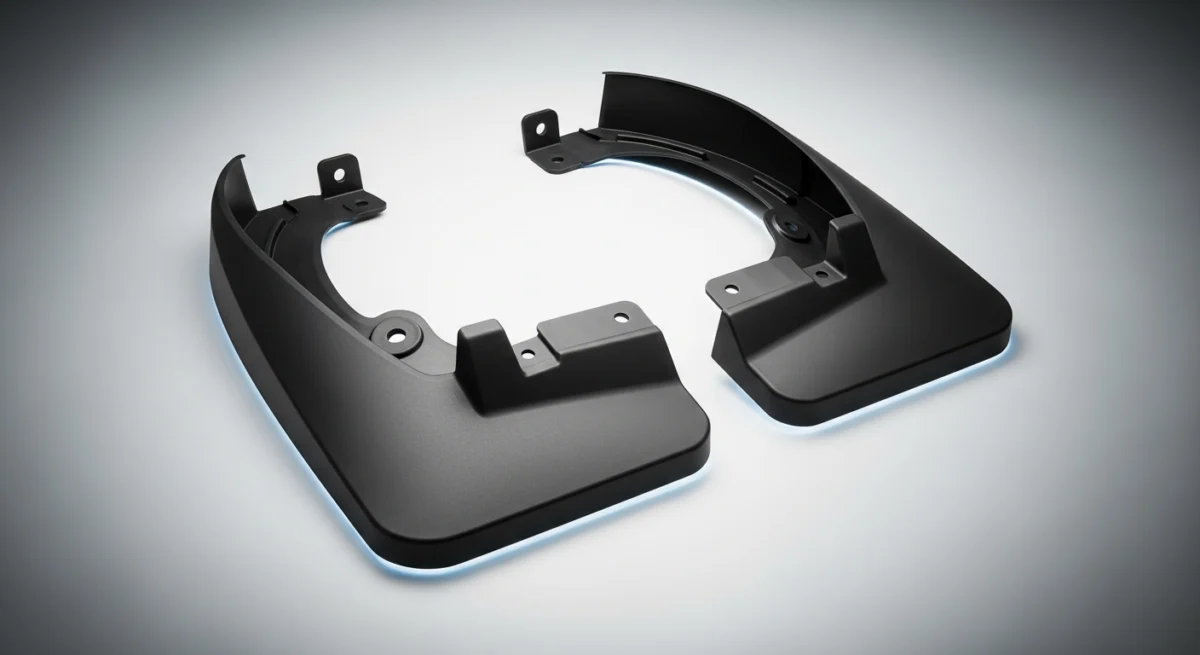
Durable mud flaps are protective barriers installed behind your vehicle’s tires. Their primary function is to deflect road spray, rocks, mud, snow, and other debris kicked up by the tires. By intercepting this debris, mud flaps prevent it from hitting your vehicle’s body, the undercarriage, and vehicles traveling behind you.
The Physics Behind Mud Flap Effectiveness
The effectiveness of mud flaps relies on simple physics. As your tires rotate, they fling loose material at high speeds. The mud flap acts as an obstacle, forcing the debris to lose momentum and fall to the ground instead of being launched into the air. The size, shape, and material of the mud flap all play a critical role in its ability to effectively deflect debris. Larger mud flaps offer more coverage, while more flexible materials can absorb impacts better.
Benefits and Key Features of Durable Mud Flaps
Investing in a set of durable mud flaps offers a wide array of benefits beyond just keeping your vehicle clean.
Protecting Your Vehicle’s Finish
This is the most obvious benefit. Mud flaps prevent paint chips, scratches, and dings caused by flying rocks and debris. Over time, the cumulative damage from road spray can significantly degrade your vehicle’s appearance and reduce its resale value.
Preventing Rust and Corrosion
Road salt, especially in northern climates, is highly corrosive. Mud flaps prevent salt spray from directly contacting your vehicle’s undercarriage, wheel wells, and rocker panels, significantly reducing the risk of rust and corrosion.
Improving Visibility for Other Drivers
Mud flaps help keep road spray contained, improving visibility for vehicles following behind you, especially in wet conditions. This is a major safety benefit, reducing the risk of accidents caused by reduced visibility.
Compliance with Regulations
In many states and provinces, mud flaps are legally required for certain types of vehicles, particularly commercial trucks and trailers. Ensuring your vehicle complies with these regulations can prevent fines and other legal issues.
Aesthetic Enhancement
While primarily functional, mud flaps can also enhance your vehicle’s appearance. Many aftermarket mud flaps come in a variety of styles, colors, and finishes, allowing you to customize your vehicle’s look.
Key Features to Look For:
- Material: Common materials include rubber, thermoplastic, and aluminum. Each material offers different levels of durability, flexibility, and weather resistance.
- Thickness: Thicker mud flaps are generally more durable and resistant to tearing.
- Size and Shape: Choose mud flaps that provide adequate coverage for your tires and vehicle. Consider the width of your tires and the overall size of your vehicle.
- Mounting Hardware: Ensure the mud flaps come with high-quality mounting hardware that is compatible with your vehicle.
- Anti-Spray Technology: Some mud flaps feature special designs or materials that further reduce road spray.
Installation Tips for Durable Mud Flaps
Installing mud flaps is a relatively straightforward process, but it’s important to follow the instructions carefully to ensure a secure and long-lasting installation.
Gathering the Necessary Tools
Before you begin, gather the following tools:
- Socket wrench set
- Screwdriver set
- Drill (if necessary)
- Measuring tape
- Marker or pencil
- Safety glasses
- Work gloves
Step-by-Step Installation Guide
1. Read the Instructions: Carefully read the instructions that came with your mud flaps. 2. Position the Mud Flap: Hold the mud flap in place behind the tire and align it with the mounting holes. 3. Mark the Mounting Holes: Use a marker or pencil to mark the location of the mounting holes on your vehicle. 4. Drill Pilot Holes (If Necessary): If your vehicle doesn’t have pre-drilled mounting holes, you may need to drill pilot holes. Use a drill bit that is slightly smaller than the diameter of the mounting screws. 5. Attach the Mud Flap: Using the provided mounting hardware, attach the mud flap to your vehicle. Tighten the screws securely, but don’t overtighten them. 6. Repeat for Remaining Mud Flaps: Repeat the process for the remaining mud flaps. 7. Inspect the Installation: Once all the mud flaps are installed, inspect the installation to ensure they are securely attached and properly aligned.
Tips for a Secure Installation:
- Use thread locker on the mounting screws to prevent them from loosening over time.
- Consider using fender washers to distribute the load and prevent the screws from pulling through the mud flap.
- If you’re drilling into metal, use a rust-preventative primer on the drilled holes to prevent corrosion.
- Always wear safety glasses when drilling to protect your eyes from debris.
Maintenance and Care of Durable Mud Flaps
To ensure your mud flaps last for years to come, it’s important to perform regular maintenance and care.
Regular Cleaning
Wash your mud flaps regularly with soap and water to remove dirt, mud, and road salt. This will help prevent corrosion and extend their lifespan.
Inspecting for Damage
Periodically inspect your mud flaps for signs of damage, such as cracks, tears, or loose mounting hardware. Repair or replace damaged mud flaps promptly to prevent further damage to your vehicle.
Protecting from UV Damage
Exposure to sunlight can cause some mud flap materials to degrade over time. Consider using a UV protectant spray to help prolong their lifespan.
Replacing Worn or Damaged Mud Flaps
Even with proper care, mud flaps will eventually wear out or become damaged. When this happens, it’s important to replace them promptly to maintain their protective function.
Top Buying Factors for Durable Mud Flaps
Choosing the right mud flaps for your vehicle requires careful consideration of several factors.
Vehicle Type and Size
The size and type of your vehicle will influence the size and shape of the mud flaps you need. Trucks and SUVs typically require larger mud flaps than cars.
Tire Size
Choose mud flaps that provide adequate coverage for your tire width. Wider tires require wider mud flaps.
Material and Durability
Consider the climate and road conditions in your area. If you live in an area with harsh winters or rough roads, you’ll need more durable mud flaps.
Mounting Options
Ensure the mud flaps are compatible with your vehicle’s mounting options. Some mud flaps require drilling, while others can be installed using existing mounting points.
Style and Appearance
Choose mud flaps that complement your vehicle’s style and appearance.
Price and Value
Compare prices from different brands and retailers, but don’t sacrifice quality for a lower price. Look for mud flaps that offer a good balance of price and durability.
Essential FAQ Section
Q: Are mud flaps legally required in my state?
A: Regulations vary by state and vehicle type. Check your local Department of Motor Vehicles (DMV) or Department of Transportation (DOT) for specific requirements.
Q: What’s the difference between rubber and thermoplastic mud flaps?
A: Rubber mud flaps are more flexible and resistant to tearing, while thermoplastic mud flaps are more rigid and durable. Thermoplastic also holds its shape better at highway speeds.
Q: Can I install mud flaps myself, or do I need a professional?
A: Installing mud flaps is generally a straightforward process that most people can do themselves with basic tools. However, if you’re not comfortable working on your vehicle, it’s best to have them installed by a professional.
Q: How often should I replace my mud flaps?
A: The lifespan of your mud flaps will depend on the material, the conditions they’re exposed to, and how well you maintain them. Inspect them regularly and replace them when they show signs of significant wear or damage.
Q: Are universal mud flaps a good option?
A: Universal mud flaps can be a good option if you’re on a budget or can’t find custom-fit mud flaps for your vehicle. However, they may require some modification to fit properly.
Conclusion
Investing in durable mud flaps is a smart decision for any vehicle owner. They offer a wide range of benefits, from protecting your vehicle’s finish to improving visibility for other drivers. By understanding the different types of mud flaps available, the key features to look for, and how to properly install and maintain them, you can choose the right set for your needs and enjoy years of reliable protection. Don’t wait until your vehicle sustains damage – invest in durable mud flaps today and keep your ride looking its best.