Imagine the scenario: You’re packed and ready for a family road trip, but your car is overflowing with luggage, camping gear, and sporting equipment. Sound familiar? You’re not alone. A significant portion of car owners faces this space crunch, especially during holidays and long journeys. A roof box offers a compelling solution, and a dual-opening roof box takes that solution to the next level. Let’s dive into the world of these versatile carriers and explore how they can transform your travel experience.
What is a Dual-Opening Roof Box?
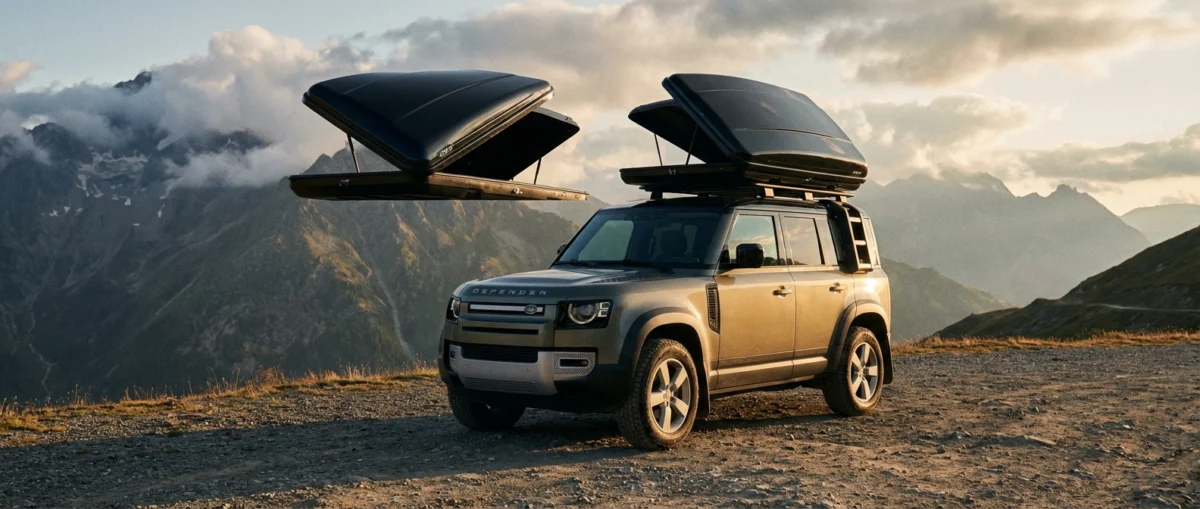
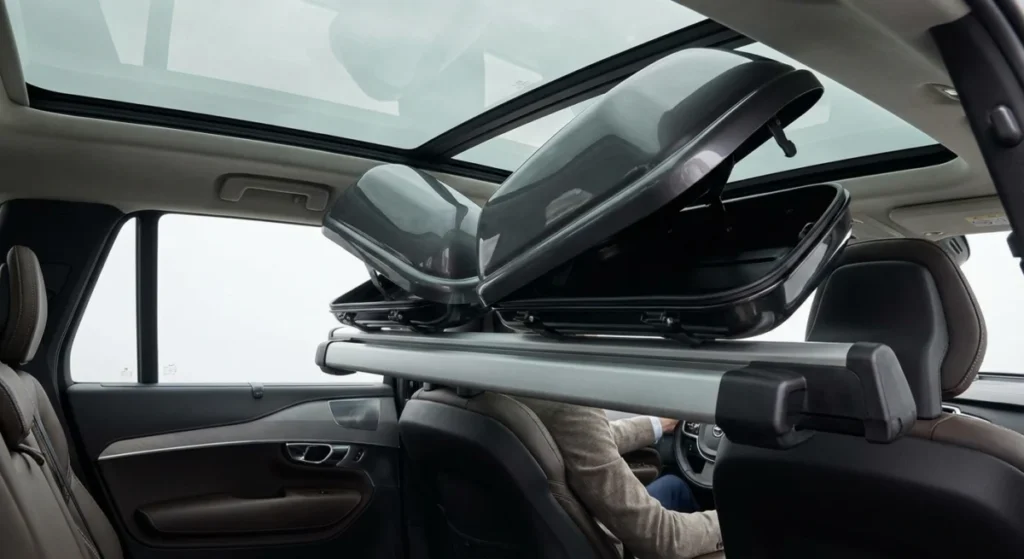
A dual-opening roof box is a cargo carrier designed to mount on the roof of a vehicle, providing additional storage space. The defining characteristic of a dual-opening model is its ability to be opened from either side of the vehicle. Unlike traditional single-side opening roof boxes, which can only be accessed from one side, dual-opening models offer greater flexibility and convenience, especially when loading and unloading items.
How it Works
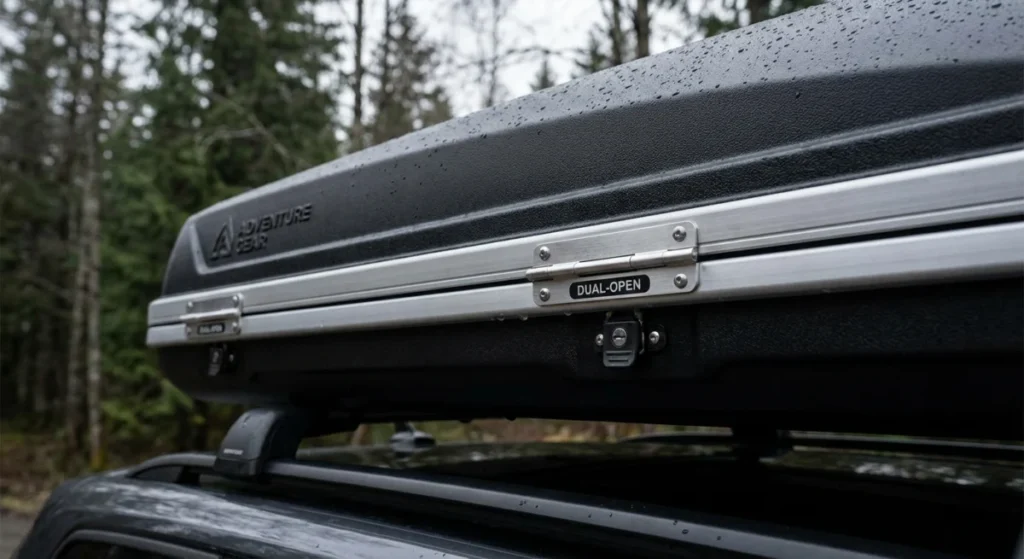
The mechanism is relatively straightforward. The box utilizes two separate locking systems, one on each side. Each lock controls a series of latches that secure the lid to the base. The user can unlock and open the box from either the driver’s side or the passenger’s side, depending on which is most convenient. This functionality often involves a more complex hinge and latch system compared to single-opening models, ensuring both secure closure and smooth operation from either side.
Benefits and Key Features
Enhanced Convenience: The primary benefit is unparalleled convenience. Whether you’re parked in a tight spot or need to access specific items on one side of the car, a dual-opening roof box provides easy access from either direction. This eliminates the need to walk around the entire vehicle to reach your belongings.
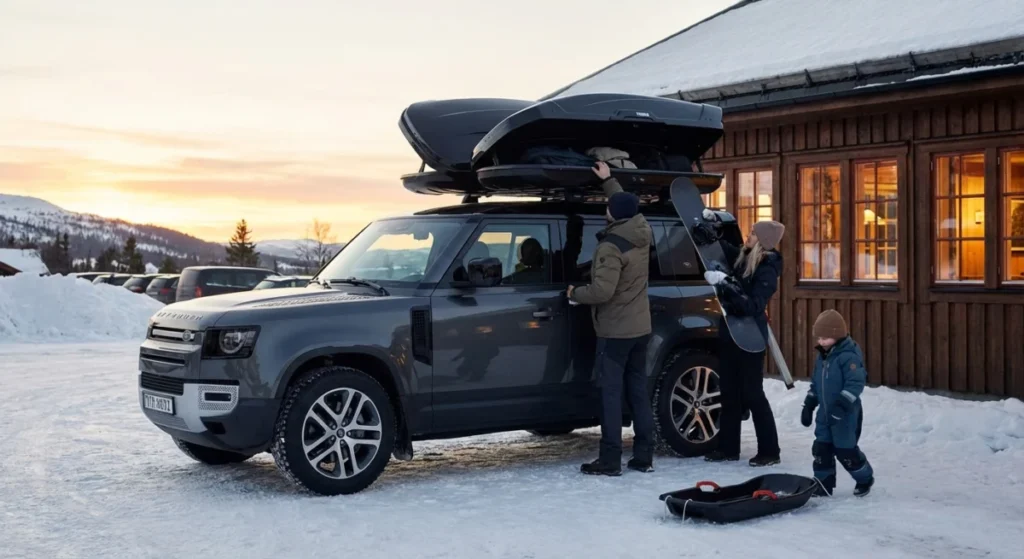
Improved Loading and Unloading: Loading and unloading bulky or heavy items becomes significantly easier. Two people can simultaneously access the box from either side, streamlining the process and reducing strain.
Accessibility in Tight Parking Spaces: Imagine parking in a narrow parking spot. With a single-opening box, one side might be blocked. A dual-opening option allows you to access your gear regardless of parking constraints.
Increased Flexibility: This design caters to various vehicle setups and personal preferences. Whether you’re right-handed or left-handed, or your preferred parking orientation, the dual-opening design offers unparalleled flexibility.
Load distribution: Dual opening boxes allow for strategic and easier distribution of weight.
Key Features often found in Dual-Opening Roof Boxes:
- Aerodynamic Design: Most modern roof boxes are designed to minimize wind resistance and noise, improving fuel efficiency.
- Durable Construction: Typically made from UV-resistant ABS plastic or similar materials, these boxes are built to withstand the elements and protect your cargo.
- Secure Locking Mechanisms: Multi-point locking systems and robust latches ensure the box remains securely closed, even at high speeds or in windy conditions.
- Internal Tie-Down Straps: Many models include straps to secure your belongings and prevent them from shifting during transit.
- Easy Installation: Universal mounting systems are designed to fit a wide range of roof racks.
- Integrated Handles: Handles on the interior or exterior of the box to aid with opening and closing.
- Weather Resistance: Sealed seams and overlapping lid designs to prevent water intrusion.
Installation Tips
Safety First: Always consult your vehicle’s owner’s manual and the roof box’s instructions before installation. Ensure your roof rack is properly installed and rated to carry the weight of the box and its contents.
Tools Required: You’ll typically need a wrench, a measuring tape, and possibly a level. A second person is highly recommended for lifting the box onto the roof.
Installation Steps:
1. Positioning the Roof Rack: Ensure your roof rack crossbars are spaced correctly according to the roof box manufacturer’s specifications. 2. Lifting the Box: Carefully lift the roof box onto the roof rack. It’s best to have two people for this step to prevent injury and damage. 3. Centering the Box: Center the box on the roof rack and align it with the vehicle. 4. Attaching the Box: Most roof boxes use a clamp or bracket system to attach to the crossbars. Follow the manufacturer’s instructions carefully to secure the box. 5. Tightening the Clamps: Tighten the clamps or brackets evenly, ensuring the box is securely fastened to the roof rack. 6. Testing: Gently rock the box to ensure it’s stable. Double-check all connections before driving. 7. Load test: Load the box carefully, distributing the weight evenly, and conduct a short test drive.
Maintenance and Care
Maintaining your dual-opening roof box will extend its lifespan and ensure it performs optimally.
- Regular Cleaning: Wash the box regularly with mild soap and water to remove dirt, road grime, and insect debris.
- UV Protection: Apply a UV protectant spray periodically to prevent fading and cracking of the plastic.
- Lubrication: Lubricate the locking mechanisms and hinges with a silicone-based lubricant to ensure smooth operation.
- Storage: When not in use, store the box in a cool, dry place, away from direct sunlight. Cover it with a tarp or storage bag to protect it from dust and damage.
- Inspection: Regularly inspect the box for cracks, damage, or loose parts. Address any issues promptly to prevent further deterioration.
- Check the locks: After each use, check that the locks are clean and undamaged.
- Tighten Mounts: Before each long trip, ensure that the mounting points are still tight to the roof racks.
Top Buying Factors
When choosing a dual-opening roof box, consider the following factors:
- Size and Capacity: Select a box that’s appropriately sized for your vehicle and your storage needs. Consider the length, width, and height of the box, as well as its internal volume (measured in liters or cubic feet).
- Weight Capacity: Ensure the box can handle the weight of your gear. Exceeding the weight limit can compromise safety and damage the box.
- Material and Durability: Opt for a box made from high-quality, UV-resistant materials that can withstand the elements.
- Aerodynamics: Choose a box with an aerodynamic design to minimize wind resistance and noise. This will improve fuel efficiency and reduce cabin noise.
- Locking Mechanism: Look for a secure locking system with multiple locking points to deter theft and keep your belongings safe.
- Mounting System: Ensure the box is compatible with your roof rack. Universal mounting systems are generally the easiest to install.
- Ease of Use: Consider the ease of opening, closing, and loading/unloading the box. Features like integrated handles and internal tie-down straps can enhance usability.
- Warranty: A good warranty provides peace of mind and protects your investment.
- Price: Dual-opening boxes often come with a premium price tag, so balance features and build quality with your budget.
- Brand Reputation: Stick to reputable brands known for quality and reliability.
- Reviews: Check user reviews and ratings to see what other owners have to say about their experiences with specific models.
Essential FAQ
Q: Are dual-opening roof boxes more expensive than single-opening ones? A: Generally, yes. The more complex mechanism and added convenience usually translate to a higher price point. However, the increased versatility often justifies the cost.
Q: Will a roof box affect my car’s fuel economy? A: Yes, any roof box will impact fuel economy to some extent. However, choosing an aerodynamically designed model can minimize the impact. Driving at lower speeds can also help.
Q: Can I install a dual-opening roof box myself? A: Yes, most roof boxes are designed for DIY installation. However, it’s highly recommended to have a second person assist, especially when lifting the box onto the roof. Always follow the manufacturer’s instructions carefully.
Q: How do I know if a roof box will fit my car? A: Check the manufacturer’s specifications for compatibility with your vehicle’s roof rack system. Consider the dimensions of the box and ensure it doesn’t interfere with the operation of your trunk or hatch. Many retailers offer online compatibility checkers.
Q: What’s the best way to pack a roof box? A: Distribute the weight evenly. Place heavier items towards the center and lighter items towards the front and rear. Secure items with tie-down straps to prevent shifting during transit. Avoid overpacking the box.
Conclusion
A dual-opening roof box represents a significant upgrade in convenience and versatility compared to traditional single-side opening models. While they may come with a slightly higher price tag, the ease of access, improved loading capabilities, and overall flexibility make them a worthwhile investment for anyone who frequently needs extra storage space for road trips, camping adventures, or sporting activities. By carefully considering your needs, researching available options, and following the tips outlined above, you can choose the perfect dual-opening roof box to transform your travel experience.