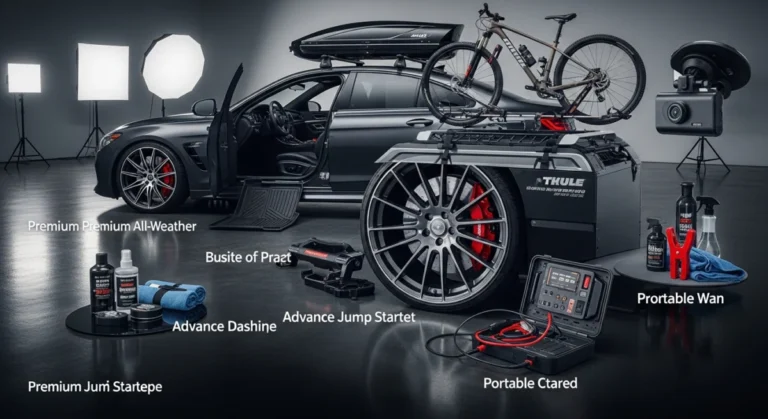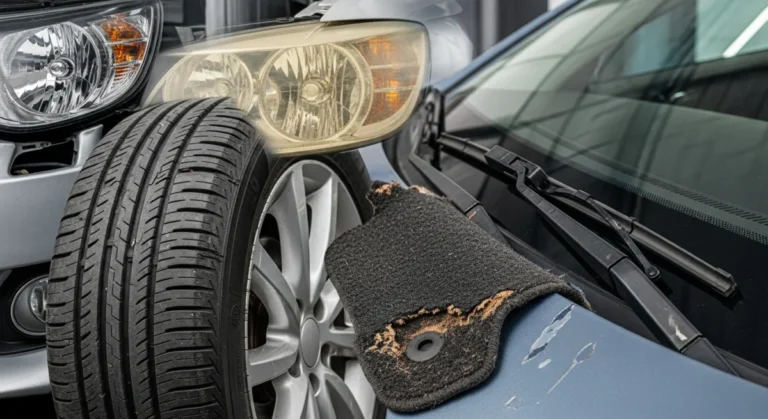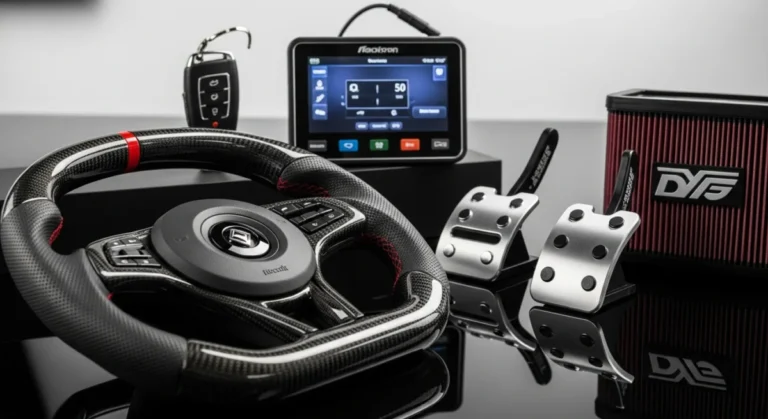
Whether you’re looking to add a dash of personal flair, enhance performance, or boost safety, accessorizing your vehicle is a popular and often necessary part of car ownership. The big question is: should you tackle the installation yourself, or leave it to the professionals? A recent study shows that nearly 60% of car owners attempt at least one DIY accessory installation, but a significant portion of those experience issues ranging from improper function to outright damage. This guide dives deep into the DIY vs. professional accessory installation debate, equipping you with the knowledge to make the best decision for your specific needs, budget, and skill level.
DIY Vs. Professional Accessory Installation: A Deep Dive
Adding accessories to your vehicle can significantly enhance its functionality, aesthetics, and value. Deciding whether to install them yourself (DIY) or hire a professional requires careful consideration of various factors. Let’s explore the pros, cons, and key considerations for each approach.
DIY Accessory Installation: Empowerment and Potential Pitfalls
What is it / How it Works: DIY accessory installation involves purchasing aftermarket parts and installing them yourself, using tools, instructions, and often online resources. The process can range from simple cosmetic upgrades to more complex electrical or mechanical modifications.
Benefits and Key Features:
- Cost Savings: Arguably the biggest draw, DIY installation eliminates labor costs, potentially saving you a significant amount of money.
- Personal Satisfaction: Successfully completing a DIY project provides a sense of accomplishment and pride.
- Learning Experience: You gain hands-on experience and learn valuable skills related to your vehicle’s mechanics or electronics.
- Flexibility: You can work at your own pace and schedule, without being bound by a professional’s availability.
- Customization: You have complete control over the entire process, ensuring the accessory is installed exactly how you want it.
Installation Tips (If Applicable):
- Read the Instructions: This is paramount. Understand the entire process before you even pick up a tool.
- Disconnect the Battery: For any electrical work, disconnect the negative terminal of your battery to prevent short circuits.
- Gather the Right Tools: Using the correct tools prevents damage to your vehicle or the accessory itself.
- Double-Check Connections: Ensure all connections are secure and properly insulated, especially electrical connections.
- Watch Tutorials: YouTube and other online platforms are filled with tutorials demonstrating specific installation procedures.
- Take Pictures: Document the process, especially when removing parts, to aid in reassembly.
Maintenance and Care:
- Regular Inspections: Periodically inspect your installation to ensure all connections remain secure and the accessory is functioning correctly.
- Cleanliness: Keep the accessory clean and free from debris.
- Wiring Check: For electrical accessories, periodically check wiring for wear and tear.
Top Buying Factors:
- Skill Level: Be honest about your abilities. Choose projects that align with your comfort level.
- Tool Availability: Do you have the necessary tools, or will you need to purchase or borrow them?
- Time Commitment: DIY projects can take significantly longer than professional installations.
- Vehicle Complexity: Modern vehicles often have complex electrical systems that require specialized knowledge.
- Warranty Implications: Some aftermarket modifications can void your vehicle’s warranty. Research carefully.
Professional Accessory Installation: Expertise and Peace of Mind
What is it / How it Works: Professional installation involves hiring a qualified technician to install your chosen accessory. This typically involves scheduling an appointment, dropping off your vehicle, and allowing the technician to complete the installation.
Benefits and Key Features:
- Expertise and Experience: Professionals have the knowledge and experience to install accessories correctly and efficiently.
- Warranty Protection: Many professional installers offer warranties on their work, providing peace of mind.
- ⏱ Time Savings: Professionals can complete installations much faster than most DIYers.
- Quality Assurance: Professionals ensure the accessory is installed properly and functioning as intended.
- Vehicle Compatibility: Professionals are familiar with a wide range of vehicle makes and models, ensuring compatibility.
Installation Tips (If Applicable):
- Communicate Clearly: Explain your needs and expectations to the installer.
- Verify Credentials: Choose a reputable installer with positive reviews and relevant certifications.
- Get a Written Estimate: Obtain a detailed estimate outlining the cost of labor and any necessary parts.
- Ask Questions: Don’t hesitate to ask questions about the installation process or the accessory itself.
- Review the Warranty: Understand the terms and conditions of the installer’s warranty.
Maintenance and Care:
- Follow Installer’s Recommendations: Adhere to any maintenance or care instructions provided by the installer.
- Contact for Issues: If you experience any problems with the installation, contact the installer promptly.
Top Buying Factors:
- Complexity of the Installation: Complex installations are best left to professionals.
- Cost: Professional installation is generally more expensive than DIY.
- Time Constraints: If you’re short on time, professional installation is the way to go.
- Warranty Concerns: If you’re concerned about voiding your vehicle’s warranty, professional installation can provide added protection.
- Peace of Mind: For those who lack the confidence or skills to install accessories themselves, professional installation offers peace of mind.
Specific Accessories: DIY or Pro?
To further illustrate the decision-making process, let’s consider a few common accessories:
- Floor Mats: These are almost always DIY-friendly. Easy installation. Minimal risk.
- Dash Cams: Simple dash cams that plug into the cigarette lighter are DIY. Hardwired dash cams for parking mode are often best left to professionals, due to the potential for draining the battery or interfering with the vehicle’s electrical system.
- Remote Starters: Generally, professional installation is recommended. Modern vehicles have complex security systems that can be difficult to bypass. Improper installation can lead to serious issues.
- Performance Exhaust Systems: This depends on your skill level and the complexity of the system. Bolt-on systems are more DIY-friendly, while custom fabrication requires professional expertise.
- Stereo Systems: Replacing a simple head unit might be DIY-able. Installing a complex system with amplifiers, subwoofers, and custom wiring is often best left to the pros.
Essential FAQ Section
Q1: Will installing accessories myself void my car’s warranty?
This depends on the accessory and the manufacturer’s warranty policy. Some manufacturers may void the warranty if the accessory causes a problem and wasn’t installed by a certified professional. It’s crucial to review your warranty documentation carefully.
Q2: What are the dangers of DIY electrical work in a car?
Improper electrical work can lead to short circuits, fire hazards, battery drain, and damage to your vehicle’s electrical system. Always disconnect the battery before working on electrical components and ensure all connections are properly insulated.
Q3: How do I find a reputable professional installer?
Check online reviews, ask for recommendations from friends or family, and verify the installer’s certifications and experience. Look for installers who specialize in the type of accessory you want to install.
Q4: Is it always cheaper to install accessories myself?
While DIY installation saves on labor costs, you might need to purchase specialized tools or materials, which can offset some of the savings. Also, consider the value of your time and the potential cost of mistakes.
Q5: What if I start a DIY installation and get stuck?
Don’t be afraid to seek help. Contact a professional installer or consult online forums and tutorials. Sometimes, knowing when to admit defeat and seek professional assistance can save you time, money, and frustration.
Conclusion
Choosing between DIY and professional accessory installation involves weighing the benefits and risks of each approach. Carefully assess your skill level, the complexity of the installation, your budget, and your tolerance for risk. Armed with this knowledge, you can make an informed decision that aligns with your needs and ensures a successful and enjoyable accessorizing experience. Remember, safety and proper functionality should always be your top priorities.