Let’s face it: life is an adventure, and sometimes, that adventure needs more stuff than your car can comfortably handle. Whether it’s skis for a winter getaway, camping gear for a summer escape, or luggage for a family road trip, running out of space is a common travel woe. That’s where car roof boxes, also known as cargo carriers, come to the rescue. In fact, the global roof box market is projected to reach billions in the coming years, demonstrating their growing popularity. This guide will equip you with everything you need to know about these fantastic storage solutions, ensuring you choose the right one and use it safely and effectively.
What is a Car Roof Box and How Does It Work?
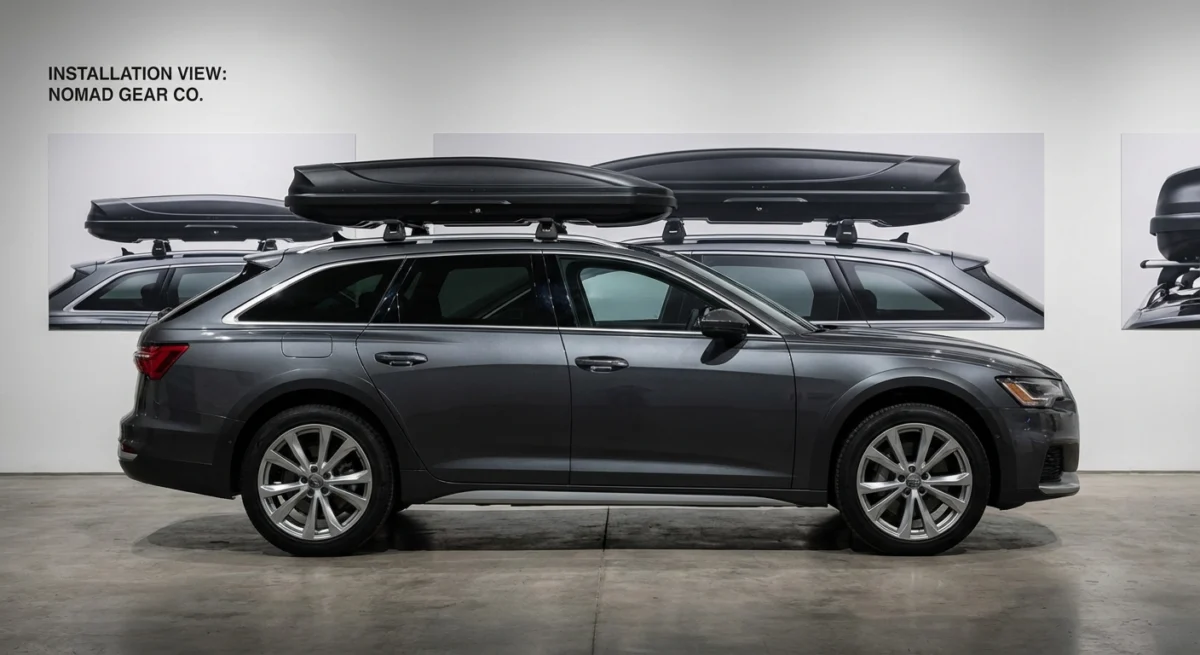
A car roof box is essentially a weatherproof container designed to be mounted on the roof of a vehicle, providing additional storage space. Think of it as an external trunk, offering a safe and secure way to transport items that won’t fit inside the car’s interior.
The Mechanics of a Roof Box
Roof boxes typically consist of a durable plastic shell, often made from ABS (Acrylonitrile Butadiene Styrene) or similar materials. This shell is designed to be aerodynamic, minimizing wind resistance and noise. The box opens via a hinged lid, usually secured with a locking mechanism for security.
The box attaches to the car’s roof rack using a clamping system. These clamps secure the box to the crossbars of the roof rack. Internal straps or tie-down points within the box allow you to secure your cargo, preventing it from shifting during transit. The weight capacity is crucial, so always check the manufacturer’s specifications.
Benefits and Key Features of a Car Roof Box
Investing in a car roof box offers numerous advantages beyond simply increasing storage space. Let’s explore the key benefits and features:
- Increased Storage Capacity: The most obvious benefit is the added space. Roof boxes come in various sizes, from compact models for skis to large capacity carriers for family vacations. This allows you to free up valuable legroom and cargo space inside your vehicle.
- Protection from the Elements: Roof boxes are designed to be weatherproof, protecting your belongings from rain, snow, sun, and dust. This is crucial for items like luggage, camping gear, and sporting equipment.
- Improved Aerodynamics: Modern roof boxes are engineered with aerodynamics in mind. Their streamlined shapes help reduce wind resistance and noise, minimizing the impact on fuel efficiency. However, there will be some impact, so be prepared for it.
- Enhanced Security: Most roof boxes come with locking mechanisms, providing a secure way to transport your belongings. This is particularly important when traveling or parking in public areas.
- Versatility: Roof boxes are suitable for a wide range of activities, from skiing and snowboarding to camping and road trips. They can accommodate a variety of items, including luggage, sports equipment, and camping gear.
- Ease of Use: Modern roof boxes are designed for easy installation and removal. Many models feature tool-free mounting systems, allowing you to quickly attach and detach the box as needed.
- Variety of Sizes and Styles: Roof boxes come in various sizes, shapes, and colors, allowing you to choose one that best fits your vehicle and personal style.
Key Features to Look For
When selecting a roof box, consider the following features:
- Size and Capacity: Choose a size that meets your specific needs and the load capacity of your vehicle’s roof.
- Aerodynamic Design: Opt for a streamlined design to minimize wind resistance and noise.
- Mounting System: Consider the ease of installation and the compatibility with your roof rack. Tool-free mounting systems are a plus.
- Locking Mechanism: Ensure the box has a secure locking system to protect your belongings.
- Durability and Weather Resistance: Look for a box made from high-quality materials that can withstand the elements.
- Opening Mechanism: Some boxes open from one side, while others open from both. Consider which option is more convenient for you.
- Internal Tie-Down Points: These help secure your cargo and prevent it from shifting during transit.
- UV Protection: Helps to protect the box from sun damage and fading.
Installation Tips for Your Roof Box
Proper installation is crucial for safety and optimal performance. Here are some key tips:
- Read the Instructions: Always read the manufacturer’s instructions carefully before installation.
- Use the Correct Tools: Use the appropriate tools for tightening clamps and securing the box. Overtightening can damage the box or the roof rack.
- Ensure Proper Alignment: Make sure the box is properly aligned on the roof rack. It should be centered and level.
- Tighten Clamps Securely: Tighten the clamps according to the manufacturer’s instructions. Re-check the tightness after the first few miles of driving.
- Distribute Weight Evenly: Distribute the weight of your cargo evenly inside the box. Place heavier items in the center.
- Check Clearance: Be aware of the height of your vehicle with the roof box installed. Avoid low-hanging obstacles such as branches, bridges, and parking garages.
- Get Help: Consider enlisting a friend to help with the installation, especially for larger roof boxes.
- Test Before You Go: Before embarking on a long trip, take a short test drive to ensure the box is securely installed and there are no issues.
Maintenance and Care for Your Roof Box
Proper maintenance will prolong the life of your roof box and ensure it performs optimally.
- Regular Cleaning: Clean the box regularly with soap and water to remove dirt, grime, and road debris.
- UV Protection: Apply a UV protectant to the box to prevent fading and cracking from sun exposure.
- Lubricate Locking Mechanisms: Lubricate the locking mechanisms periodically to keep them working smoothly.
- Winter Care: Remove snow and ice from the box before driving. Avoid using harsh chemicals or abrasive cleaners.
- Storage: When not in use, store the box in a dry, protected area. This will help prevent damage from the elements. Consider using a roof box storage lift or stand.
- Inspect Regularly: Inspect the box regularly for any signs of damage, such as cracks, dents, or loose clamps. Address any issues promptly.
Top Buying Factors When Choosing a Car Roof Box
Choosing the right car roof box depends on several factors. Here’s a breakdown of the key considerations:
1. Vehicle Compatibility: Ensure the roof box is compatible with your vehicle’s roof rack. Check the roof rack’s weight capacity and crossbar spacing. Some boxes require specific roof rack systems. 2. Size and Capacity: Determine the size and capacity you need based on the types of items you’ll be transporting. Consider the length of skis, the volume of luggage, or the size of camping gear. 3. Budget: Roof boxes range in price from budget-friendly models to high-end options. Set a budget and look for a box that offers the best value for your money. 4. Aerodynamics: Choose a box with a streamlined design to minimize wind resistance and noise. This will improve fuel efficiency and reduce driving fatigue. 5. Ease of Use: Consider the ease of installation, opening, and closing. Look for features like tool-free mounting systems and dual-side opening. 6. Security: Ensure the box has a secure locking mechanism to protect your belongings from theft. 7. Material and Durability: Opt for a box made from high-quality materials that can withstand the elements. Look for UV protection and impact resistance. 8. Brand Reputation: Consider the reputation of the brand. Established brands often offer better quality and customer support. Thule, Yakima, and SportRack are among the most trusted brands in the industry. 9. Reviews and Ratings: Read reviews and ratings from other customers to get an idea of the box’s performance and reliability. 10. Storage: Where will you keep the roof box when it’s not on your vehicle?
Essential FAQ about Car Roof Boxes
Here are some frequently asked questions about car roof boxes:
Q: Will a roof box affect my gas mileage?
A: Yes, a roof box will typically reduce your gas mileage due to increased wind resistance. The impact varies depending on the size and shape of the box, as well as your driving speed. Expect a decrease of 1-5 MPG.
Q: Are roof boxes waterproof?
A: Most roof boxes are designed to be weatherproof, meaning they can withstand rain and snow. However, they are not completely waterproof. Heavy rain or submersion could potentially allow some water to enter the box.
Q: Can I leave my roof box on my car all the time?
A: While you can leave a roof box on your car when not in use, it’s generally recommended to remove it when possible. This will improve gas mileage, reduce wear and tear on the box and roof rack, and prevent potential theft.
Q: How much weight can a roof box hold?
A: The weight capacity of a roof box varies depending on the model. Always check the manufacturer’s specifications. It’s also important to consider the weight capacity of your vehicle’s roof rack. Never exceed either limit.
Q: What if the roof box doesn’t fit my roof rack?
A: If a roof box doesn’t fit your roof rack, you may need to purchase a compatible roof rack system or adapter. Consult with a professional installer to ensure proper fitment and safety.
Conclusion
A car roof box is a worthwhile investment for anyone who frequently needs extra storage space for travel, sports, or other activities. By understanding the benefits, key features, installation procedures, and maintenance requirements, you can choose the right roof box for your needs and enjoy years of reliable service. With a little research and careful consideration, you can unlock a world of adventure without leaving anything behind. Safe travels!