Car customization isn’t just about vanity; it’s about expressing yourself, enhancing performance, and making your vehicle truly *yours*. Whether you’re aiming for improved handling, a unique aesthetic, or simply more comfort, the world of aftermarket car parts and accessories offers a universe of possibilities. According to SEMA (Specialty Equipment Market Association), the automotive aftermarket is a multi-billion dollar industry, and it’s growing. But with so many options available, navigating this landscape can be daunting. This guide will break down key customization categories, providing expert insights into benefits, installation, maintenance, and essential buying factors. Let’s dive in and transform your ride!
Wheels and Tires
What are They / How They Work
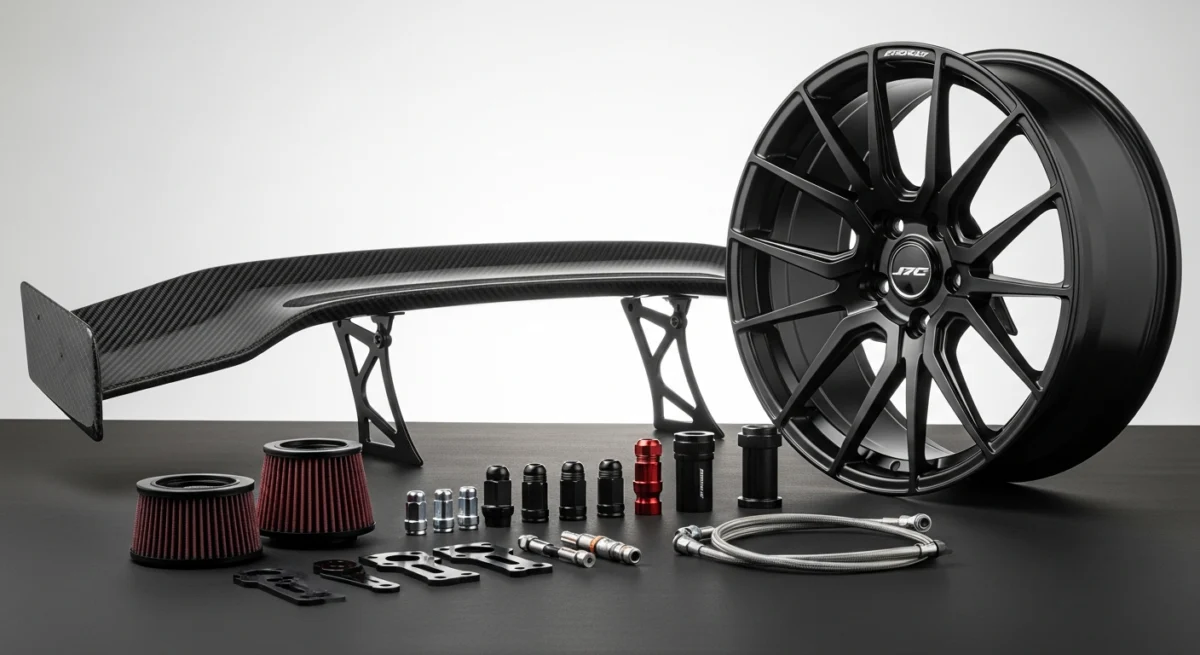
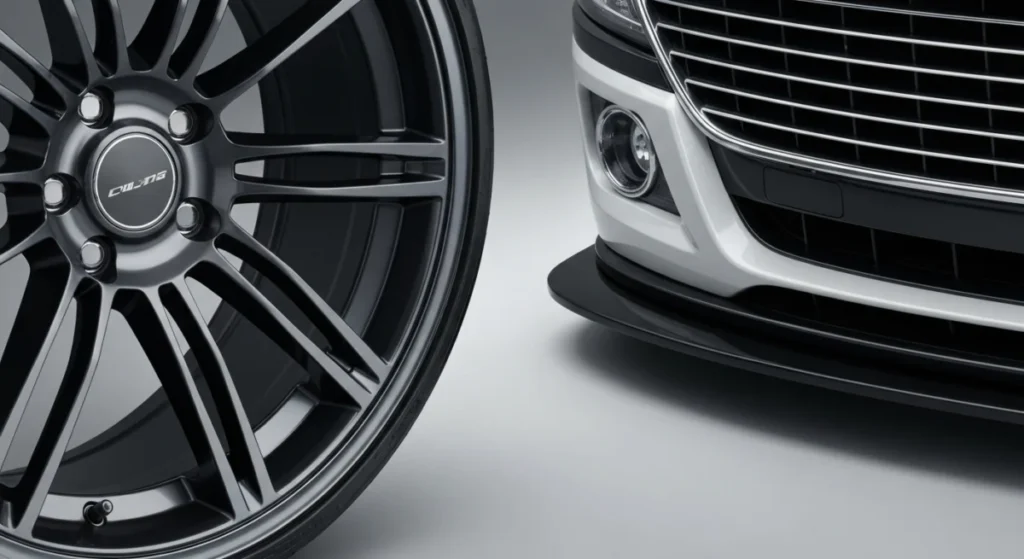
Wheels and tires are arguably the most impactful visual upgrade you can make. Wheels provide the foundation for mounting tires, directly impacting handling and aesthetics. Tires are the vehicle’s only point of contact with the road, influencing grip, braking, and ride comfort. They work by creating friction between the tire compound and the road surface, allowing you to accelerate, brake, and steer effectively. Wheel size (diameter and width), offset, and bolt pattern must be compatible with your vehicle’s specifications. Tire size is also crucial, affecting speedometer accuracy, ground clearance, and overall handling characteristics.
Benefits and Key Features
- Improved Aesthetics: Wider wheels, different finishes (matte, gloss, chrome), and unique designs instantly enhance the visual appeal of your car.
- Enhanced Handling: Lighter wheels reduce unsprung weight, improving suspension responsiveness and cornering ability. Performance tires offer superior grip for better acceleration, braking, and handling.
- Increased Safety: Upgrading to tires with a higher speed rating and better wet/dry traction can significantly improve safety, especially in challenging driving conditions.
- Personalization: A vast array of styles and finishes allows you to tailor the look of your car to your individual taste.
- Performance Gains: Lower profile tires and wider wheels can improve acceleration, braking distances, and lateral grip in performance applications.
Installation Tips
- Torque Wrench is Key: Always use a torque wrench to tighten lug nuts to the manufacturer’s specified torque. Overtightening can damage studs and warp rotors, while under-tightening can lead to wheel detachment.
- Proper Lifting Procedures: Use jack stands to support the vehicle safely before removing wheels. Never work under a vehicle supported only by a jack.
- Hub-Centric Rings: If your wheels have a larger center bore than your vehicle’s hub, use hub-centric rings to ensure proper centering and prevent vibration.
- Check Tire Pressure: Inflate tires to the recommended pressure, usually found on a sticker on the driver’s side door jamb.
- Lug Nut Pattern: Follow the correct lug nut tightening sequence (star pattern) to ensure even pressure distribution.
Maintenance and Care
- Regular Cleaning: Wash wheels and tires regularly with a dedicated wheel cleaner and tire brush to remove brake dust and grime.
- Tire Pressure Monitoring: Check tire pressure at least once a month and before long trips.
- Tire Rotation: Rotate tires every 5,000-8,000 miles to promote even wear.
- Wheel Alignment: Get a wheel alignment after installing new wheels or tires, or if you notice uneven tire wear or pulling to one side.
- Inspect for Damage: Regularly inspect wheels and tires for damage, such as cracks, bulges, or punctures.
Top Buying Factors
- Vehicle Compatibility: Ensure wheels and tires are compatible with your vehicle’s bolt pattern, offset, and recommended tire size. Use online fitment guides or consult with a tire professional.
- Wheel Material: Choose wheels made from high-quality materials such as aluminum alloy for strength and weight savings. Forged wheels are stronger and lighter than cast wheels but are also more expensive.
- Tire Type: Select tires based on your driving needs and conditions. All-season tires offer a good balance of performance in various weather conditions, while summer tires provide superior grip in warm weather but are not suitable for snow or ice.
- Budget: Set a budget and stick to it. Wheel and tire packages can range from affordable to very expensive, so prioritize your needs and choose the best option within your price range.
- Brand Reputation: Research brands known for quality, performance, and durability. Read reviews and compare different options before making a purchase.

Suspension Upgrades
What is it / How it works
Suspension upgrades involve modifying the vehicle’s suspension system to improve handling, ride quality, and appearance. This can include replacing shocks, struts, springs, sway bars, or even the entire suspension system. The suspension system works by absorbing bumps and vibrations from the road, keeping the tires in contact with the surface, and controlling body roll during cornering.
Benefits and Key Features
- Improved Handling: Lowering springs, stiffer sway bars, and performance shocks reduce body roll and improve cornering stability.
- Enhanced Ride Quality: Adjustable shocks and struts allow you to fine-tune the ride comfort to your preferences.
- Lowered Stance: Lowering springs or coilover systems can give your car a more aggressive and sporty look.
- Increased Performance: Performance suspension components improve handling and control, allowing you to push your car harder on the track or on winding roads.
- Adjustability: Coilover systems offer adjustable ride height and damping, allowing you to customize the suspension to your specific needs.
Installation Tips
- Professional Installation Recommended: Suspension upgrades can be complex and require specialized tools and knowledge. Professional installation is highly recommended.
- Compressing Springs is Dangerous: Spring compressors are used to safely remove and install coil springs. Use extreme caution and follow the manufacturer’s instructions carefully.
- Torque Specifications: Always torque all suspension components to the manufacturer’s specified torque.
- Wheel Alignment: Get a wheel alignment after installing any suspension upgrades.
- Break-In Period: Allow a break-in period for the new suspension components to settle before aggressive driving.
Maintenance and Care
- Regular Inspection: Inspect suspension components regularly for wear and damage.
- Lubrication: Lubricate suspension components as needed to prevent squeaking and binding.
- Alignment Checks: Get your wheel alignment checked periodically to ensure proper handling and tire wear.
- Cleanliness: Keep suspension components clean to prevent corrosion and damage.
Top Buying Factors
- Driving Style: Consider your driving style and needs when choosing suspension upgrades. Do you prioritize comfort, performance, or a combination of both?
- Budget: Suspension upgrades can range from relatively affordable to very expensive. Set a budget and choose the best option within your price range.
- Brand Reputation: Research brands known for quality, performance, and durability.
- Adjustability: Consider adjustable suspension components if you want to fine-tune the ride and handling of your car.
- Compatibility: Ensure the suspension upgrades are compatible with your vehicle’s make, model, and year.
Performance Exhaust Systems
What is it / How it works
A performance exhaust system replaces the factory exhaust system with one designed to improve engine performance and sound. It works by reducing backpressure, allowing the engine to breathe more freely and efficiently. This can result in increased horsepower and torque.
Benefits and Key Features
- Increased Horsepower and Torque: Reduced backpressure allows the engine to exhale more efficiently, leading to power gains.
- Improved Fuel Economy: In some cases, a performance exhaust can improve fuel economy by optimizing engine efficiency.
- Enhanced Sound: A performance exhaust system typically produces a deeper, more aggressive exhaust note.
- Weight Reduction: Some performance exhausts are lighter than the factory system, reducing overall vehicle weight.
- Aesthetic Appeal: Polished stainless steel or titanium exhaust systems can enhance the look of your car.
Installation Tips
- Professional Installation Recommended: Exhaust system installation can be challenging and may require welding or cutting.
- Work on a Cool Exhaust: Allow the exhaust system to cool completely before attempting to remove it.
- Penetrating Oil: Use penetrating oil to loosen rusted bolts and fasteners.
- New Gaskets: Use new gaskets and hardware when installing the new exhaust system.
- Proper Alignment: Ensure the exhaust system is properly aligned to prevent leaks and vibrations.
Maintenance and Care
- Regular Inspection: Inspect the exhaust system regularly for leaks, rust, and damage.
- Cleaning: Clean the exhaust tips regularly to maintain their appearance.
- Tighten Connections: Check and tighten exhaust connections periodically to prevent leaks.
Top Buying Factors
- Sound Level: Consider the desired sound level when choosing a performance exhaust system. Some systems are very loud, while others are more subtle.
- Material: Stainless steel is a durable and corrosion-resistant material for exhaust systems. Titanium is lighter and stronger but also more expensive.
- Fitment: Ensure the exhaust system is designed specifically for your vehicle’s make, model, and year.
- Brand Reputation: Choose an exhaust system from a reputable brand known for quality and performance.
- Emissions Compliance: Check local emissions regulations before installing a performance exhaust system. Some systems may not be legal for street use.
Essential FAQ
- Q: Will aftermarket wheels void my car’s warranty? A: Not necessarily. Installing aftermarket wheels generally won’t void your entire warranty, but any damage caused directly by the wheels or their installation might not be covered.
- Q: How do I choose the right size tires for my car? A: Refer to your vehicle’s owner’s manual or the sticker on the driver’s side door jamb. These provide the recommended tire size. You can also consult with a tire professional.
- Q: Is it better to install suspension upgrades myself or have a professional do it? A: Unless you have experience and the right tools, professional installation is highly recommended for suspension upgrades. Incorrect installation can be dangerous.
- Q: Can a performance exhaust system improve my gas mileage? A: In some cases, yes. A well-designed performance exhaust can improve engine efficiency, potentially leading to a slight increase in fuel economy. However, this depends on driving habits and other factors.
- Q: What’s the difference between coilovers and lowering springs? A: Lowering springs simply replace the stock springs to lower the vehicle’s ride height. Coilovers are complete suspension units that include both springs and adjustable shocks, allowing for more precise control over ride height and damping.
Conclusion
Car customization is a journey of self-expression and performance enhancement. By understanding the various products available, their benefits, installation considerations, and maintenance requirements, you can confidently transform your vehicle into a reflection of your personal style and driving preferences. Remember to prioritize safety, quality, and compatibility when making your choices, and don’t hesitate to seek professional advice when needed. Happy customizing!