Here’s your expert guide on car covers:
Car covers: The unsung heroes of automotive preservation. Every year, countless vehicles suffer from avoidable damage caused by environmental elements, vandalism, and simple neglect. The solution? Often overlooked, but incredibly effective: a high-quality car cover. This isn’t just about keeping your car clean; it’s about preserving its value, protecting its finish, and extending its lifespan. Let’s dive into the world of car covers and unlock their potential.
What is a Car Cover and How Does it Work?
At its core, a car cover is a protective barrier designed to shield your vehicle from external elements. Think of it as a tailored coat for your car, custom-fit (ideally!) to its dimensions and crafted from materials resistant to various forms of damage.
The Mechanism of Protection
The magic of a car cover lies in its ability to deflect and absorb environmental aggressors. A well-designed cover works in several ways:
- Deflection: The outer layer acts as the first line of defense, bouncing off rain, snow, hail, and sunlight.
- Absorption: Inner layers are often designed to absorb moisture, preventing it from reaching the car’s paint. Breathable fabrics also allow trapped moisture to escape, preventing mildew.
- Physical Barrier: The cover prevents scratches from dust, debris, tree sap, bird droppings, and other sources of potential damage.
- UV Protection: Specialized materials block harmful UV rays, preventing paint fading and interior degradation.
- Security: A cover can deter theft or vandalism by obscuring the vehicle’s contents and requiring extra effort to access.
Benefits and Key Features of Car Covers
Investing in a car cover provides a multitude of benefits that extend beyond mere aesthetics. Here’s a breakdown of the key advantages and features to look for:
- Paint Protection: Shields against scratches, swirl marks, fading, and oxidation caused by sun exposure and abrasive elements.
- Interior Preservation: Reduces heat buildup inside the car, preventing cracking and fading of upholstery, dashboards, and other interior components.
- Weather Resistance: Protects against rain, snow, ice, wind, and UV rays. Look for covers with water-resistant or waterproof properties.
- Dust and Debris Prevention: Keeps your car clean by preventing dust, pollen, tree sap, bird droppings, and other contaminants from accumulating on the surface.
- Security and Privacy: Deters theft and vandalism by concealing the contents of your car and making it more difficult to break into.
- Hail Protection: Some specialized covers offer padded layers to absorb the impact of hailstones, minimizing or preventing damage.
- Cost Savings: Reduces the frequency of car washes and detailing, saving you time and money in the long run.
- Resale Value: Preserves the appearance and condition of your car, potentially increasing its resale value.
Essential Features to Consider
- Material: The fabric of your car cover is crucial. Options include polyester, polypropylene, cotton, and advanced synthetic blends. Consider the climate and your specific needs.
- Water Resistance/Waterproofness: For outdoor use, especially in rainy climates, a water-resistant or waterproof cover is essential. Breathability is also crucial to prevent moisture buildup.
- UV Protection: Look for covers with UV-resistant coatings to prevent paint fading and interior damage.
- Breathability: A breathable cover allows moisture to escape, preventing mildew and corrosion.
- Fit: A snug, custom-fit cover provides better protection and prevents the cover from being blown off by the wind.
- Reinforced Seams: Strong seams ensure durability and prevent tearing.
- Elastic Hems: Elastic hems provide a secure and snug fit around the bottom of the car.
- Grommets and Straps: Grommets and straps allow you to secure the cover in place, preventing it from being blown away by the wind.
- Cable and Lock System: Some covers come with a cable and lock system for added security.
- Storage Bag: A storage bag makes it easy to store the cover when not in use.
- Soft Inner Lining: Protects paint from scratches caused by the cover itself.
Car Cover Installation Tips
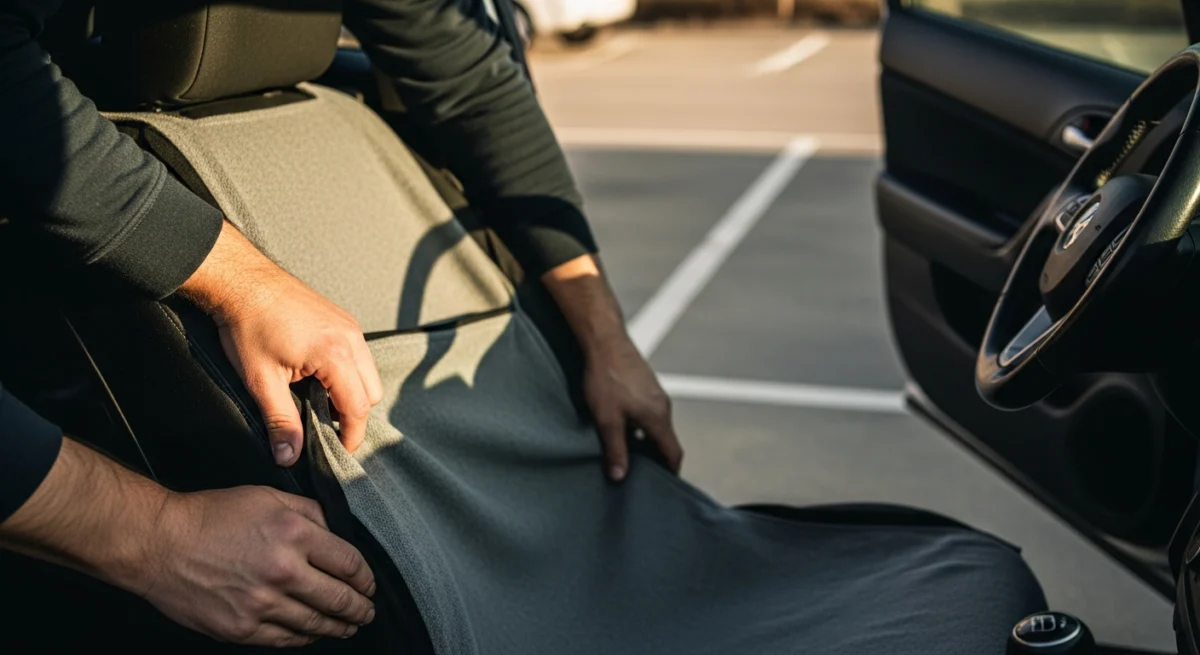
Proper installation is key to maximizing the benefits of your car cover. Here’s a step-by-step guide:
1. Clean Your Car: Thoroughly wash and dry your car before installing the cover. This prevents dirt and debris from being trapped under the cover and scratching the paint. 2. Locate the Front and Rear: Most covers are labeled with “front” and “rear” indicators. If not, look for features like mirror pockets, which typically face forward. 3. Unfold the Cover: Carefully unfold the cover and drape it over the car, starting with the front. 4. Position the Cover: Adjust the cover to ensure it fits snugly over the front bumper, hood, and windshield. 5. Secure the Sides: Pull the cover over the sides of the car, ensuring it fits snugly over the roof, doors, and rear fenders. 6. Secure the Rear: Pull the cover over the rear bumper and trunk, ensuring it fits snugly around the back of the car. 7. Fasten Straps (if applicable): If your cover has straps, fasten them securely underneath the car to prevent it from being blown off by the wind. 8. Attach Cable and Lock (if applicable): If your cover has a cable and lock system, thread the cable through the grommets and secure it with the lock. 9. Check the Fit: Ensure the cover fits snugly and securely around the entire car.
Car Cover Maintenance and Care
Proper maintenance will extend the life of your car cover and ensure it continues to provide optimal protection.
- Regular Cleaning: Periodically clean your car cover to remove dirt, dust, and debris. Use a soft brush and mild soap and water. Avoid harsh chemicals or abrasive cleaners.
- Drying: Allow the cover to air dry completely before storing it. Never store a wet or damp cover, as this can lead to mildew and mold growth.
- Storage: When not in use, store the cover in a clean, dry place, preferably in its original storage bag.
- Inspections: Regularly inspect the cover for tears, holes, or other damage. Repair any damage promptly to prevent further deterioration.
- Avoid Sharp Objects: Be careful not to snag or tear the cover on sharp objects, such as antennas or protruding trim.
- UV Protectant: Periodically apply a UV protectant spray to the cover to help prevent fading and cracking.
- Mildew Treatment: If mildew develops, use a mildew cleaner specifically designed for fabrics.
Top Buying Factors for Car Covers
Choosing the right car cover depends on several factors, including your budget, climate, and specific needs. Here’s a summary of the key considerations:
- Vehicle Type and Size: Ensure the cover is designed to fit your specific make and model. A custom-fit cover provides the best protection.
- Climate: Consider the weather conditions in your area. For rainy climates, choose a waterproof or water-resistant cover. For sunny climates, choose a cover with UV protection.
- Indoor vs. Outdoor Use: Indoor covers are typically lighter and less expensive than outdoor covers. Outdoor covers need to be more durable and weather-resistant.
- Material Quality: Invest in a high-quality cover made from durable, breathable materials.
- Features: Consider features such as water resistance, UV protection, breathability, and security features.
- Budget: Car covers range in price from affordable to premium. Set a budget and choose a cover that offers the best value for your money.
- Warranty: Look for a cover with a warranty that covers defects in materials and workmanship.
- Customer Reviews: Read online reviews to get feedback from other car owners about the quality and performance of different car covers.
- Brand Reputation: Choose a cover from a reputable brand with a proven track record of producing high-quality products.
- Storage: Consider how easy the cover is to store when not in use.
Essential Car Cover FAQs
Here are some frequently asked questions about car covers:
1. Will a car cover scratch my paint? It *can* if dirt or debris is trapped between the cover and the paint. Always clean your car before installing the cover, and choose a cover with a soft inner lining. 2. How often should I wash my car cover? Wash it as needed, typically every few months, or whenever it becomes visibly dirty. 3. Can I use a car cover on a freshly painted car? No. Allow the paint to fully cure (usually 30-90 days) before using a cover to avoid trapping moisture and damaging the finish. 4. Are all “waterproof” car covers truly waterproof? Not necessarily. Some are water-resistant, meaning they can repel water for a limited time. Truly waterproof covers are often less breathable. 5. How do I choose the right size car cover? Consult the manufacturer’s fit guide for your specific make and model. If in doubt, measure your car’s length, width, and height.
Conclusion
A car cover is more than just an accessory; it’s an investment in the long-term health and appearance of your vehicle. By understanding the benefits, features, and proper maintenance techniques, you can choose the right cover and protect your car from the elements, ensuring it stays looking its best for years to come. Don’t underestimate the power of this simple, yet effective solution – your car will thank you.