Here’s your comprehensive guide on car covers for long-term storage:
Planning to tuck your beloved vehicle away for an extended hibernation? Whether it’s a classic car, a seasonal ride, or simply a car you’re not currently using, long-term car storage requires careful consideration. One of the most crucial aspects of protecting your investment during storage is choosing the right car cover. Think of it as a tailored shield against the elements, preventing costly damage and preserving its value. This guide will walk you through everything you need to know about car covers designed specifically for long-term storage, ensuring your vehicle emerges as pristine as the day it was parked. Did you know that improper car storage is responsible for over $2 billion dollars of preventable damage to vehicles each year? Let’s prevent that from happening to your car.
Understanding Car Covers for Long-Term Storage
What is a Long-Term Storage Car Cover?
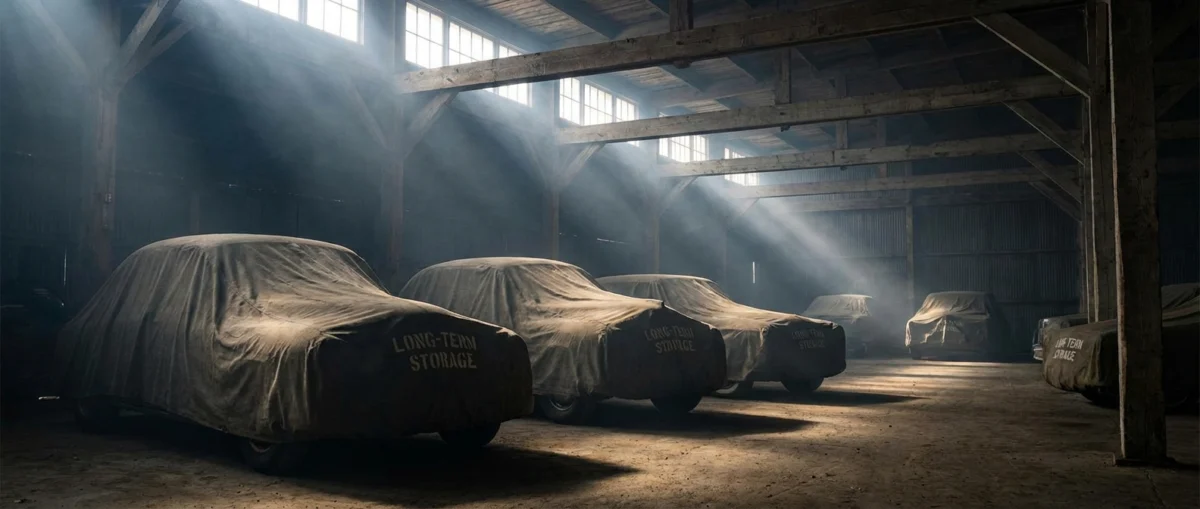
A long-term storage car cover is a protective covering designed to shield a vehicle from the various environmental hazards it might face while sitting unused for weeks, months, or even years. Unlike general-purpose car covers, these are specifically engineered to offer superior protection against moisture, UV radiation, dust, debris, and even minor impacts. The key difference lies in the materials used and the overall construction. These covers are usually multi-layered, breathable, and often feature specialized coatings to maximize their protective capabilities. They essentially create a barrier against the elements, minimizing the degradation of your vehicle’s paint, interior, and mechanical components.
How it Works
Long-term storage car covers work through a combination of physical barriers and material technology.
- Physical Barrier: The cover physically blocks dust, dirt, bird droppings, tree sap, and other debris from contacting the vehicle’s surface.
- UV Protection: Specialized materials reflect harmful UV rays, preventing fading, cracking, and discoloration of the paint and interior surfaces.
- Moisture Management: Breathable fabrics allow moisture to escape from under the cover, preventing condensation buildup which can lead to rust and mildew.
- Impact Resistance: Some covers feature padded layers that offer a degree of protection against minor bumps and scratches.
- Security: Many covers also deter potential thieves or vandals by concealing the vehicle and making it less appealing as a target.
Benefits and Key Features of Long-Term Storage Car Covers
Investing in a quality car cover for long-term storage provides a multitude of benefits that far outweigh the initial cost:
- Protection from the Elements: This is the primary benefit. Covers protect against sun, rain, snow, hail, wind, and other environmental factors.
- Prevents Paint Damage: UV rays cause fading and oxidation. A good cover significantly reduces this damage, preserving your car’s finish.
- Minimizes Interior Damage: UV rays also damage interior components like dashboards, seats, and upholstery. A cover extends the life of your interior.
- Reduces Rust and Corrosion: By keeping moisture away, a breathable cover helps prevent rust and corrosion, especially in areas prone to these issues.
- Deters Pests: A well-fitted cover prevents rodents and insects from nesting inside the car.
- Maintains Vehicle Value: Protecting your vehicle during storage helps maintain its resale value.
- Saves Time and Money: By preventing damage, you’ll save money on detailing, repairs, and potential restoration work.
- Discourages Theft and Vandalism: Out of sight, out of mind. A covered car is less likely to attract unwanted attention.
Key Features to look for:
- Breathability: Essential for preventing moisture buildup. Look for covers made from breathable fabrics like Tyvek or multi-layer polypropylene.
- Water Resistance: Should repel water to prevent soaking and potential damage. Water-*resistant* is sufficient for most indoor storage, while water-*proof* is better for outdoor storage, although breathability may be compromised.
- UV Protection: A UV-resistant coating or fabric is crucial for protecting against sun damage.
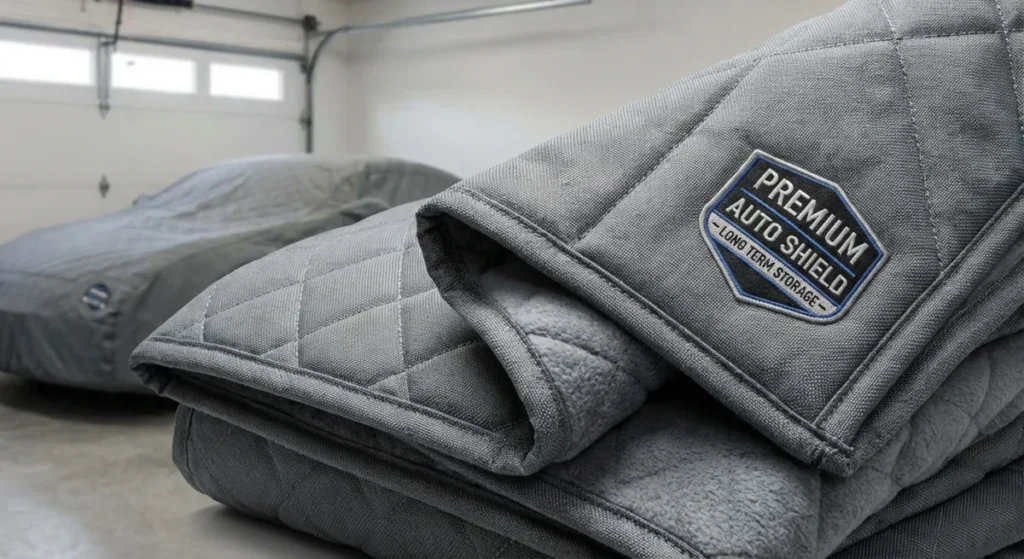
- Multi-Layer Construction: Multiple layers provide enhanced protection against impacts, scratches, and the elements.
- Soft Inner Lining: A soft inner lining made of fleece or cotton protects the car’s paint from scratches.
- Custom Fit: A custom-fit cover offers the best protection and prevents the cover from flapping in the wind. Universal-fit covers are more affordable but may not provide the same level of protection.
- Reinforced Seams: Strong, reinforced seams ensure the cover’s durability and prevent tearing.
- Elastic Hems: Elastic hems provide a snug fit around the bottom of the car, keeping the cover securely in place.
- Tie-Down Straps or Grommets: Help to secure the cover in windy conditions.
- Antenna Patch: Some covers include a reinforced patch for the antenna to prevent tearing.
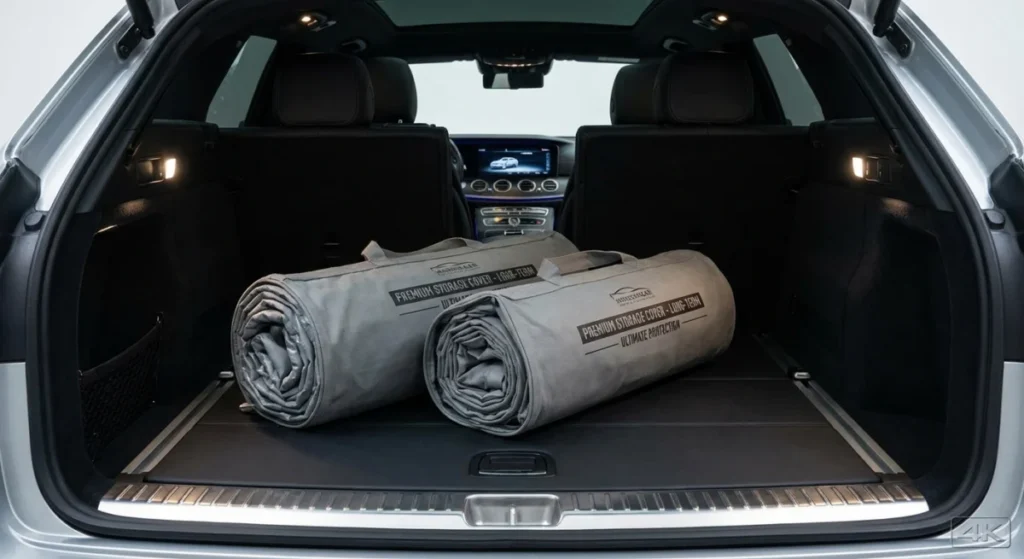
- Storage Bag: A storage bag makes it easy to store the cover when not in use.
Installation Tips for Car Covers
Proper installation is critical to maximizing the effectiveness of your car cover.
- Clean the Car Thoroughly: Before installing the cover, wash and dry the car to remove any dirt, dust, or debris that could scratch the paint. Consider a wax or sealant for added protection.
- Choose a Dry Day: Install the cover on a dry, wind-free day to prevent moisture from getting trapped underneath.
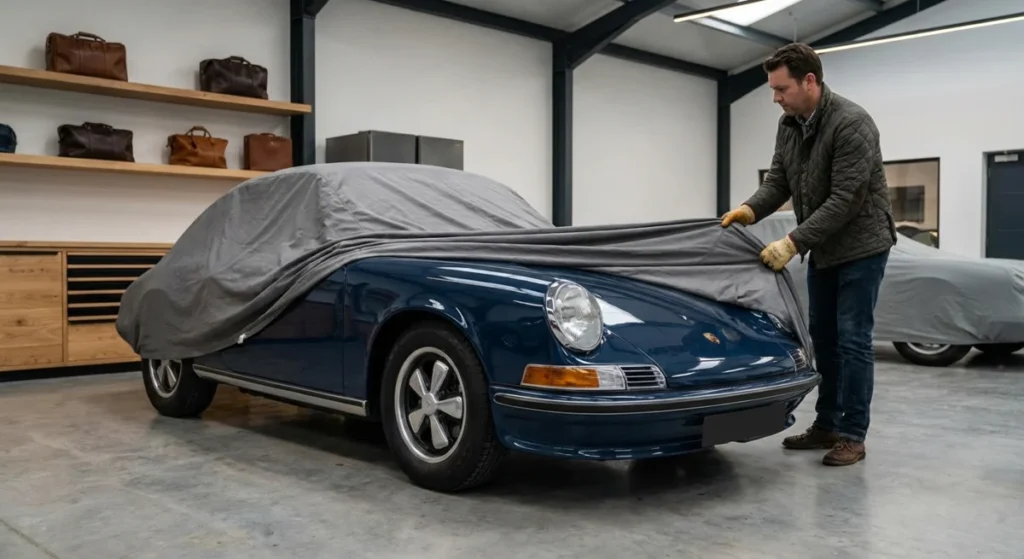
- Unfold Carefully: Unfold the cover carefully to avoid dragging it across the ground and picking up dirt or debris.
- Position Correctly: Start by positioning the cover over the front of the car, aligning the front corners with the front bumper.
- Secure the Cover: Gently pull the cover over the rest of the car, ensuring it fits snugly. Secure the elastic hems and tie-down straps, if applicable.
- Adjust as Needed: Make any necessary adjustments to ensure the cover fits properly and is securely in place.
- Antenna Considerations: If your car has an antenna, either retract it, remove it, or use the antenna patch provided with the cover.
- Avoid Sharp Edges: Be careful when installing the cover around sharp edges, such as mirrors or spoilers, to avoid tearing the fabric.
Maintenance and Care of Car Covers
Proper maintenance will extend the life of your car cover and ensure it continues to provide optimal protection.
- Regular Cleaning: Periodically clean the cover to remove dirt, dust, and debris. Use a soft brush or vacuum cleaner for dry cleaning. For more thorough cleaning, follow the manufacturer’s instructions. Some covers can be machine washed, while others require hand washing with mild soap and water.
- Avoid Harsh Chemicals: Do not use harsh chemicals or abrasive cleaners, as they can damage the fabric and coatings.
- Dry Thoroughly: Always dry the cover completely before storing it to prevent mildew growth. Hang it in a well-ventilated area or use a clothesline.
- Proper Storage: When not in use, store the cover in a clean, dry place, preferably in the storage bag provided.
- Inspect Regularly: Regularly inspect the cover for any signs of damage, such as tears, holes, or worn seams. Repair any damage promptly to prevent further deterioration.
- Consider a Cover Cleaner/Protectant: Specialty cleaners and protectants are available specifically for car covers. These can help to maintain the cover’s water resistance, UV protection, and overall appearance.
Top Buying Factors for Long-Term Storage Car Covers
Choosing the right car cover for long-term storage depends on several factors, including your budget, storage environment, and the type of vehicle you need to protect.
- Budget: Car covers range in price from budget-friendly universal-fit options to high-end custom-fit models. Determine your budget and look for the best quality cover within your price range.
- Storage Environment: Consider where the car will be stored. For indoor storage, a lightweight, breathable cover is sufficient. For outdoor storage, you’ll need a more durable, water-resistant cover with UV protection.
- Vehicle Type: Choose a cover that is designed for your specific vehicle type. Custom-fit covers offer the best protection, but universal-fit covers can be a good option if you’re on a tight budget.
- Material Quality: Look for covers made from high-quality, durable materials that are breathable, water-resistant, and UV-resistant.
- Fit: A snug fit is essential for preventing the cover from flapping in the wind and causing scratches. Choose a custom-fit cover or a universal-fit cover that is the correct size for your vehicle.
- UV Protection: UV protection is crucial for preventing paint damage, especially if the car will be stored outdoors.
- Breathability: Breathability is essential for preventing moisture buildup, which can lead to rust and mildew.
- Durability: Choose a cover that is durable and can withstand the elements. Look for reinforced seams and strong tie-down straps.
- Warranty: Check the warranty offered by the manufacturer. A longer warranty indicates that the manufacturer has confidence in the quality of their product.
- ⭐ Reviews: Read online reviews to get an idea of the experiences other customers have had with the cover.
Essential FAQ Section
- Q: How often should I clean my car cover?
- A: Cleaning frequency depends on the environment. If stored outdoors, clean it every 2-3 months. For indoor storage, cleaning every 6 months may suffice. Always check for visible dirt or debris and clean as needed.
- Q: Can I use a regular car cover for long-term storage?
- A: While you *can*, it’s not recommended. Regular car covers might not offer adequate protection against UV rays, moisture, or physical impacts, increasing the risk of damage.
- Q: Will a car cover scratch my car’s paint?
- A: A poorly fitted or dirty cover can scratch paint. Ensure the car is clean before covering it, and choose a cover with a soft inner lining. Proper installation and regular cleaning are key to prevent scratches.
- Q: Is it better to store my car indoors or outdoors with a cover?
- A: Indoor storage is always preferable, as it offers the best protection from the elements. However, if outdoor storage is the only option, a high-quality, waterproof car cover is essential.
- Q: What if my car is stored in a humid environment?
- A: Breathability is critical in humid environments. Choose a cover specifically designed for humid conditions, ensuring it allows moisture to escape and prevents mildew buildup. Consider using a dehumidifier in the storage area if possible.
Conclusion
Protecting your vehicle during long-term storage is a smart investment. By choosing the right car cover and following the maintenance tips outlined in this guide, you can ensure your car remains in excellent condition, ready to hit the road whenever you are. Don’t underestimate the importance of a quality car cover – it’s your first line of defense against the elements and a key factor in preserving your vehicle’s value and enjoyment for years to come. Consider it an investment in peace of mind!