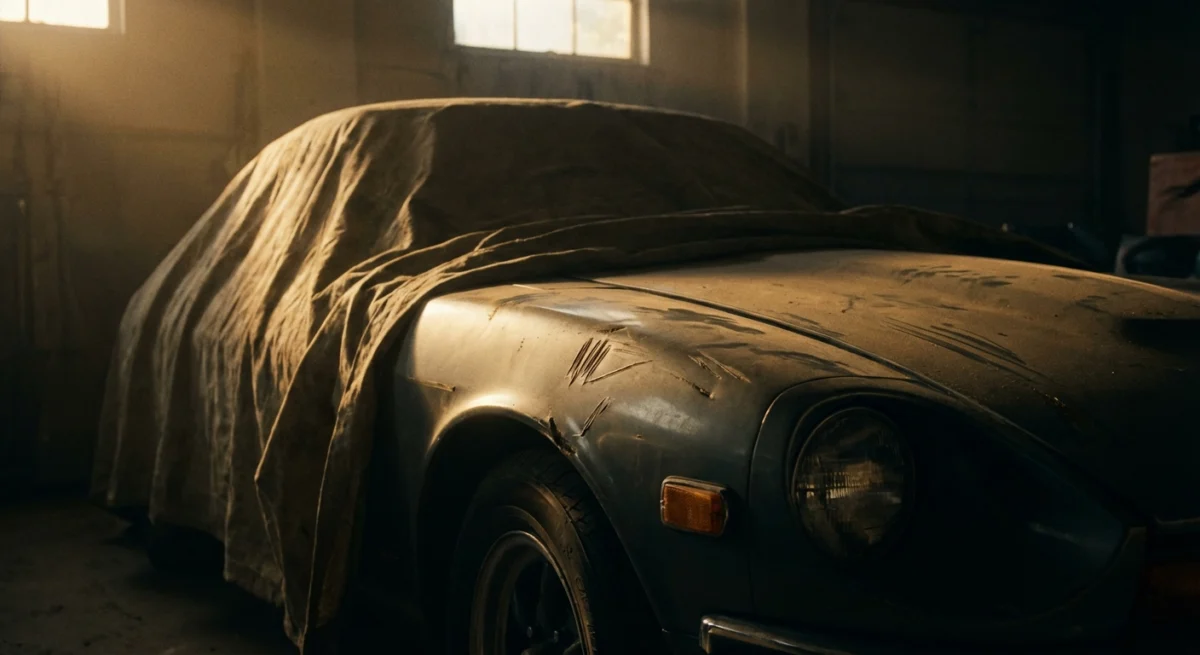
Car covers: your car’s first line of defense against the elements. But could this seemingly protective shield actually be scratching your paint? Unfortunately, yes, it can. Studies show that improper car cover use is a surprisingly common cause of swirl marks and minor scratches, accounting for a significant percentage of cosmetic damage reported annually. Don’t despair! With the right cover, proper installation, and diligent maintenance, you can shield your vehicle from the elements *without* sacrificing its pristine finish. This guide will arm you with the knowledge to choose, use, and maintain a car cover that protects, not destroys, your paint.
Understanding Car Covers and Their Impact on Paint
What is a Car Cover and How Does it Work?
A car cover acts as a physical barrier between your vehicle’s paint and the external environment. It’s essentially a fitted sheet for your car, designed to protect against a range of threats, including:
- Sun damage (UV rays)
- Rain, snow, and ice
- Dust, dirt, and pollen
- Bird droppings
- Tree sap
- Scratches from stray animals or accidental bumps
The “how” is simple: the cover prevents these elements from directly contacting and damaging the paint surface. The effectiveness of this protection hinges on the cover’s material, fit, and how it’s used. A poorly fitted, abrasive cover can do more harm than good, trapping dirt and grinding it against the paint.
Benefits and Key Features of a Good Car Cover
A well-chosen car cover offers numerous advantages:
- Protection from the elements: This is the primary function, shielding your paint from fading, oxidation, and water damage.
- Scratch prevention: A soft inner lining and a snug fit minimize the risk of scratches caused by wind or movement.
- Theft deterrence: A covered car is less appealing to potential thieves as it obscures what’s inside and adds a layer of inconvenience.
- Interior protection: By blocking sunlight, a car cover helps prevent fading and cracking of your dashboard, seats, and other interior components.
- Maintenance reduction: A cover keeps your car cleaner, reducing the frequency of washing and waxing.
Key features to look for include:
- Breathable fabric: Allows moisture to escape, preventing condensation buildup and potential mold growth.
- Soft inner lining: Protects the paint surface from abrasion. Microfiber or fleece linings are ideal.
- Water resistance or waterproof material: Depending on your climate, you’ll need a cover that can repel or withstand rain and snow.
- UV protection: Essential for sunny climates to prevent paint fading.
- Custom or semi-custom fit: Ensures a snug fit that minimizes movement and maximizes protection.
- Reinforced seams: Provide durability and prevent tearing.
- Grommets for tie-downs: Allow you to secure the cover in windy conditions.
- Elasticized hem: Helps to keep the cover in place.
Installation Tips: Minimizing Scratch Risk
Proper installation is crucial to prevent scratches. Here’s how to do it right:
- Wash your car: Before putting on the cover, ensure your car is clean. Dirt and debris trapped underneath the cover will act like sandpaper.
- Ensure the cover is clean: Dust and dirt can accumulate on the cover itself. Shake it out or wipe it down with a soft cloth before each use.
- Fold the cover: Avoid dragging the cover across your car. Carefully fold it and place it on the roof.
- Unroll and secure: Unroll the cover from the roof, gently fitting it over the car. Secure any straps or tie-downs according to the manufacturer’s instructions.
- Avoid excessive stretching: Don’t force the cover over tight areas. If it doesn’t fit properly, double-check the size or consider a custom-fit option.
- Inspect regularly: Check the cover for any signs of wear and tear, such as tears or loose seams. Repair or replace as needed.
- Windy conditions: In high winds, ensure the cover is securely fastened to prevent it from flapping and scratching the paint. Consider using additional tie-downs or a car cover lock.
Maintenance and Care: Keeping Your Cover Scratch-Free
Maintaining your car cover is just as important as maintaining your car.
- Regular cleaning: Wash your cover regularly to remove dirt, dust, and other contaminants. Follow the manufacturer’s instructions for cleaning. Most covers can be hand-washed with mild soap and water.
- Proper drying: Allow the cover to air dry completely before storing it. Storing a damp cover can lead to mold and mildew growth.
- Storage: When not in use, store the cover in a clean, dry place. Avoid storing it in direct sunlight or extreme temperatures.
- Inspection: Regularly inspect the cover for any damage, such as tears or holes. Repair or replace as needed.
- Avoid dragging: Never drag the cover across the ground, as this can pick up dirt and debris that can scratch your paint.
- Handle with care: Avoid using harsh chemicals or abrasive cleaners on the cover.
- Address minor abrasions immediately: If the cover exhibits signs of abrasion such as pilling, or embedded contaminants, replace or repair as necessary.
Top Buying Factors: Choosing the Right Cover for Your Needs
Choosing the right car cover involves considering several factors:
- Climate: Consider your local climate and choose a cover that offers appropriate protection. For rainy climates, prioritize waterproof or water-resistant materials. For sunny climates, focus on UV protection.
- Storage environment: Where will your car be parked? An indoor cover is different from an outdoor cover. Indoor covers prioritize dust protection and breathability, while outdoor covers need to withstand the elements.
- Vehicle type: Ensure the cover is designed for your specific vehicle make and model. A properly fitted cover provides better protection and reduces the risk of scratches.
- Material: Different materials offer varying levels of protection. Popular choices include:
- Polyester: Durable and water-resistant, but not very breathable.
- Polypropylene: Lightweight and breathable, but not as durable as polyester.
- Tyvek: Waterproof and breathable, but can be expensive.
- Multi-layer fabrics: Offer a combination of benefits, such as water resistance, breathability, and UV protection.
- Price: Car cover prices range from budget-friendly to premium. Consider your budget and prioritize the features that are most important to you. A slightly more expensive cover with a soft inner lining and proper fit is often a worthwhile investment to protect your paint.
- Reviews: Read online reviews to get insights from other car owners. Pay attention to comments about scratch resistance, durability, and fit.
- Warranty: A good warranty indicates the manufacturer’s confidence in their product.
- Purpose: Are you looking for long-term storage or daily protection? This will influence the features you prioritize (e.g., security grommets vs. quick installation).
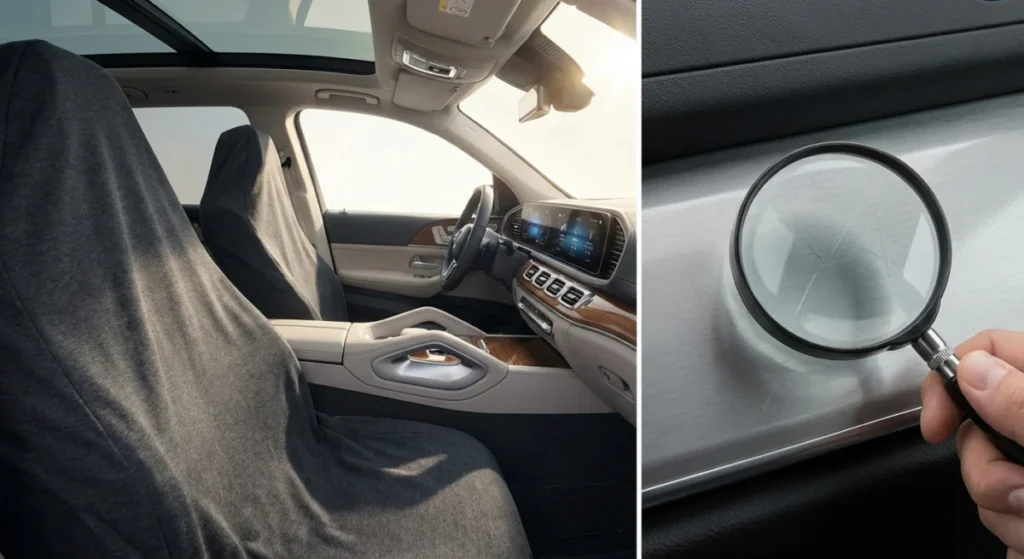
Essential FAQs about Car Covers and Paint Scratches
- **Q: Will *any* car cover scratch my paint?**
- A: No, not necessarily. The risk of scratches depends on the cover’s material, fit, cleanliness, and how carefully you install and remove it. A high-quality cover with a soft inner lining, used properly, is unlikely to cause scratches.
- Q: Are custom-fit car covers worth the extra cost?
- A: In most cases, yes. A custom-fit cover minimizes movement and prevents the cover from rubbing against the paint. They also offer better protection from the elements as they cover every panel of your vehicle.
- Q: How often should I wash my car cover?
- A: Ideally, wash your car cover every 1-3 months, or more frequently if it becomes heavily soiled. Follow the manufacturer’s instructions for cleaning.
- Q: Can I use a car cover on a freshly painted car?
- A: No. A freshly painted car needs time to fully cure. Consult with your painter regarding a suitable timeframe, which is generally several weeks. Using a car cover before the paint is fully cured can trap moisture and solvents, damaging the new finish.
- Q: What’s the best way to store my car cover when not in use?
- A: Fold the cover neatly and store it in a clean, dry bag or container. Avoid storing it in direct sunlight or extreme temperatures. Ensure the cover is completely dry before storing it to prevent mold and mildew growth.
Car covers, when selected and used correctly, are invaluable tools for protecting your vehicle’s paint and overall condition. By understanding the potential risks and taking the necessary precautions, you can enjoy the benefits of a car cover without worrying about scratches. Choose wisely, install carefully, and maintain diligently, and your car will thank you.