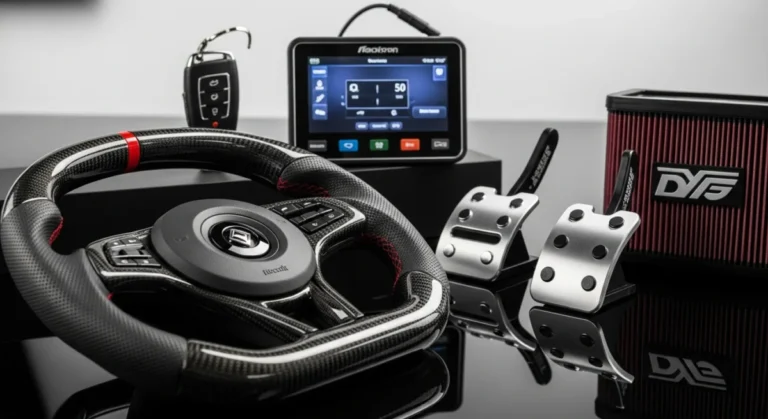
Steering wheel covers: They’re often the first customization people make to their car’s interior. Beyond aesthetics, they offer grip, comfort, and protection. But there’s a nagging concern: Can steering wheel covers slip? Unfortunately, the answer is yes, they absolutely can. A slipping steering wheel cover is not just annoying; it’s downright dangerous, potentially leading to loss of control, especially in emergency maneuvers. Studies show that drivers spend an average of 1.5 hours per day behind the wheel, and a compromised grip during that time significantly increases the risk of accidents. The good news is, with the right knowledge and a bit of attention, you can choose and install a steering wheel cover that stays firmly in place, enhancing both safety and driving pleasure. This guide will provide you with the comprehensive information needed to avoid the dreaded slip and ensure a secure and comfortable driving experience.
Understanding Steering Wheel Covers
Steering wheel covers are designed to provide an enhanced grip, protect the original steering wheel material from wear and tear, add a touch of personal style, and, in some cases, provide added comfort. They come in a wide variety of materials, sizes, and designs. The most common materials include leather, faux leather (vinyl), silicone, fabric, and rubber. The way they work is relatively straightforward: they stretch or are laced over the existing steering wheel, creating a new surface area for the driver’s hands. The effectiveness of a steering wheel cover hinges on proper fit, material quality, and installation technique.
How Steering Wheel Covers Work
Steering wheel covers operate based on the principles of friction and compression. A well-fitted cover creates significant friction between its inner surface and the original steering wheel. This friction is what prevents slippage during normal driving conditions. The compressive force, achieved through a snug fit, further enhances this frictional grip. Covers that are too loose, or made of inherently slippery materials, fail to generate sufficient friction and are prone to slipping. The installation method also plays a crucial role; a poorly installed cover might not provide the necessary compressive force, leading to unwanted movement.
Benefits and Key Features of Quality Steering Wheel Covers
Choosing a high-quality steering wheel cover offers a range of benefits beyond mere aesthetics. Let’s delve into the key features that distinguish a good cover from a potentially hazardous one:
- Enhanced Grip: The primary function. Look for materials like textured leather or silicone that offer superior grip, especially important for those with sweaty hands. Improved grip translates directly to better control.
- Comfort: Thicker covers and those made with padded materials can significantly enhance comfort, especially on long drives. Consider materials like memory foam or microfiber for added cushioning.
- Protection: A good cover protects your original steering wheel from wear and tear caused by UV rays, oils from your hands, and everyday use. This is particularly valuable for preserving the value of your vehicle.
- Style: Covers come in countless designs, colors, and materials, allowing you to personalize your vehicle’s interior. Choose a cover that complements your car’s aesthetic and reflects your personal taste.
- Durability: The longevity of a steering wheel cover depends on the quality of the materials used. Leather and high-grade synthetic materials generally last longer than cheaper alternatives. Check reviews to assess the durability reported by other users.
- Proper Fit: A snug, secure fit is paramount. A cover that’s too loose will slip, regardless of the material. Measure your steering wheel’s diameter carefully before purchasing. Some covers are specifically designed for certain steering wheel sizes and styles.
- Anti-Slip Inner Lining: Many high-quality covers feature an anti-slip inner lining made of rubber or textured material to maximize grip on the original steering wheel. This is a crucial feature to look for to prevent slippage.
- Heat and Cold Resistance: Certain materials are better at resisting temperature extremes. Leather, for instance, can get very hot in direct sunlight, while some synthetic materials remain cooler. Consider your local climate when choosing a material.
- Easy Installation: While some covers require more effort to install than others, look for designs that are relatively easy to install without specialized tools or expertise.
Installation Tips for a Secure Fit
Proper installation is absolutely critical to prevent steering wheel cover slippage. Even the best cover will be ineffective if installed incorrectly. Here’s a step-by-step guide:
1. Clean the Steering Wheel: Before installing the cover, thoroughly clean your steering wheel with a mild cleaner and a microfiber cloth. Remove any dirt, oil, or grime that could reduce friction. 2. Position the Cover: Start by aligning the cover so the seams and any decorative elements are positioned where you want them. Most covers have a designated top and bottom. 3. Stretch and Secure: Begin by stretching the cover over the top portion of the steering wheel. This often requires significant effort. Work the cover down, bit by bit, using firm, even pressure. 4. Heating for Flexibility (Optional): If you’re struggling to stretch the cover, especially in cold weather, you can gently warm it with a hairdryer. This will make the material more pliable. Be careful not to overheat the cover. 5. Work the Sides: Once the top portion is secure, work your way down the sides. Continue stretching and pulling the cover until it’s snug around the entire steering wheel. 6. Final Adjustments: Make any final adjustments to ensure the cover is evenly distributed and properly aligned. The cover should fit snugly and without any loose areas. 7. Test for Slippage: Before driving, test the cover for slippage. Grip the steering wheel firmly and try to rotate the cover. If it moves easily, you need to re-install it with more effort. 8. Laced Covers: For covers that are laced on, ensure the lacing is tight and evenly distributed. Loose lacing is a common cause of slippage. Follow the manufacturer’s instructions carefully. 9. Consider Professional Installation: If you’re struggling to install the cover properly, consider having it professionally installed by an automotive detailer or mechanic.
Maintenance and Care for Long-Lasting Grip
Regular maintenance can help prolong the life of your steering wheel cover and maintain its grip. Here are some tips:
- Regular Cleaning: Clean your steering wheel cover regularly with a mild cleaner and a microfiber cloth. This removes dirt, oil, and sweat that can degrade the material and reduce grip.
- Conditioning (for Leather): If you have a leather cover, condition it regularly with a leather conditioner. This will help keep the leather supple and prevent it from cracking.
- UV Protection: Park your car in the shade whenever possible to protect the cover from damaging UV rays. UV rays can cause the material to fade, crack, and lose its grip.
- Avoid Harsh Chemicals: Avoid using harsh chemicals or abrasive cleaners on your steering wheel cover. These can damage the material and reduce its lifespan.
- Inspect Regularly: Regularly inspect your steering wheel cover for signs of wear and tear. Replace it if you notice any cracks, tears, or significant slippage.
- Address Issues Promptly: If you notice any loose stitching or other minor damage, address it promptly to prevent it from worsening.
- Consider a Second Cover: Depending on your driving habits, you may want to consider having a second steering wheel cover on hand. This allows you to rotate covers and extend their lifespan.
Top Buying Factors for a Secure Steering Wheel Cover
Choosing the right steering wheel cover is crucial for safety and comfort. Here are the top factors to consider before making a purchase:
- Material: Leather offers excellent grip and durability but can be expensive and hot in summer. Silicone provides excellent grip and is easy to clean. Faux leather is a budget-friendly alternative but may not be as durable or grippy as real leather. Fabric covers offer comfort but may not be as durable or easy to clean.
- Size: Measure your steering wheel’s diameter carefully. Choose a cover that’s specifically designed for your steering wheel size. A cover that’s too large will slip, while a cover that’s too small may be difficult to install.
- Grip Texture: Look for covers with a textured surface to enhance grip. Common textures include raised bumps, grooves, and perforations.
- Inner Lining: Choose a cover with an anti-slip inner lining made of rubber or textured material. This will maximize grip on the original steering wheel and prevent slippage.
- Ease of Installation: Consider your comfort level with DIY projects. Some covers are easier to install than others. Read reviews to assess the installation difficulty.
- Reviews and Ratings: Read reviews from other users to get an idea of the cover’s quality, durability, and grip. Pay attention to comments about slippage.
- Brand Reputation: Choose a cover from a reputable brand known for producing high-quality automotive accessories.
- Warranty: A good warranty indicates that the manufacturer stands behind their product.
- Price: Balance your budget with your needs and preferences. Cheaper covers may not be as durable or grippy as more expensive options.
- Aesthetics: Choose a cover that complements your car’s interior and reflects your personal style.
Essential FAQs about Steering Wheel Cover Slippage
*Q1: Why is my steering wheel cover slipping even though it’s new?*
A: Several factors can contribute to a new steering wheel cover slipping. The most common reasons are incorrect size, improper installation, a naturally slippery material (like smooth vinyl), or the presence of oil or residue on the steering wheel underneath. Re-cleaning the steering wheel and ensuring a tighter fit during installation often resolves the issue.
*Q2: Can sweat cause my steering wheel cover to slip?*
A: Yes, sweat can significantly reduce the friction between the steering wheel cover and your hands, leading to slippage. Consider choosing a cover made of a breathable material like leather or a textured silicone cover that wicks away moisture. Regularly cleaning the cover is also important.
*Q3: Are there any steering wheel covers that are guaranteed not to slip?*
A: While no steering wheel cover can be 100% guaranteed not to slip under all circumstances, those with a textured rubber or silicone inner lining and a properly sized, snug fit offer the best chance of staying in place. Look for covers that are specifically marketed as “anti-slip”.
*Q4: Is it dangerous to drive with a slipping steering wheel cover?*
A: Absolutely. A slipping steering wheel cover compromises your control over the vehicle, especially in emergency situations requiring quick maneuvers. It can increase your reaction time and potentially lead to an accident. It’s crucial to address the issue immediately.
*Q5: How can I fix a steering wheel cover that has stretched out and is now slipping?*
A: Unfortunately, once a steering wheel cover has stretched out, it’s very difficult to restore its original fit. You might try gently heating it with a hairdryer and attempting to shrink it, but this is rarely effective in the long run. The best solution is usually to replace the cover with a new one that fits properly.
Conclusion
Steering wheel covers offer a range of benefits, from enhancing grip and comfort to protecting your original steering wheel. However, the risk of slippage is a serious concern that must be addressed. By understanding the factors that contribute to slippage, choosing a high-quality cover with a proper fit and anti-slip features, installing it correctly, and maintaining it regularly, you can significantly reduce the risk and enjoy a safe and comfortable driving experience. Don’t compromise on safety; prioritize a steering wheel cover that stays firmly in place, allowing you to maintain full control of your vehicle at all times.