Let’s face it, you’ve got the bike, you’ve got the itch to explore new trails, but your car’s interior is screaming “no more!”. Bike roof racks are the unsung heroes of outdoor adventures, freeing up precious cabin space and opening up a world of cycling possibilities. According to a recent study by Grand View Research, the global automotive roof rack market is projected to reach $2.5 billion by 2028, highlighting the increasing popularity and necessity of these accessories. This guide dives deep into everything you need to know about bike roof racks, from understanding the different types to choosing the perfect one for your needs and keeping it in top condition. Get ready to elevate your biking experience!
Bike Roof Racks: Your Ticket to Freedom on Two Wheels
A bike roof rack is a system designed to securely transport bicycles on the roof of a vehicle. They come in various configurations, each with its own strengths and weaknesses. Essentially, they provide a stable platform and locking mechanism to hold your bike in place while you drive, allowing you to bring your bike along on road trips, weekend getaways, or even just a ride to a nearby park. They address the fundamental problem of limited interior space when transporting bikes.
How Bike Roof Racks Work
The core function is simple: secure the bike to the roof. However, the implementation varies greatly.
- Attachment Points: Bike roof racks typically attach to your vehicle in one of three ways:
- Factory-Installed Rails: Many vehicles come with factory-installed side rails running along the roof. Racks designed for these use clamps or brackets to attach directly.
- Bare Roofs: For vehicles without rails, special feet and crossbars are required. These feet often clamp onto the door frame or utilize existing mounting points under the weather stripping.
- Fixed Points: Some cars have designated “fixed points” under covers on the roof. These allow for a very secure and specific rack attachment.
- Bike Securing Methods: Once the base rack is installed, the bike is secured to it using one of several methods:
- Fork Mount: The front wheel is removed, and the fork is clamped directly to the rack. This is a very secure method but requires removing the front wheel and storing it inside the vehicle.
- Wheel-On Mount: The entire bike is placed on the rack, and the wheels are secured using straps or clamps. This is the most convenient option, but may affect the bike’s aerodynamics and fuel efficiency more noticeably.
- Frame Mount: The bike’s frame is clamped to the rack. These are less common now, as they can potentially damage carbon fiber frames.
- Suction Cup Mounts: Although newer to the market, these options can provide a fast and relatively easy attachment option for vehicles. These are typically combined with a wheel-on mounting method.
Unveiling the Benefits and Key Features
Investing in a bike roof rack offers a range of advantages:
- Increased Interior Space: This is the most obvious benefit. No more cramped legs or struggling to fit luggage around your bike.
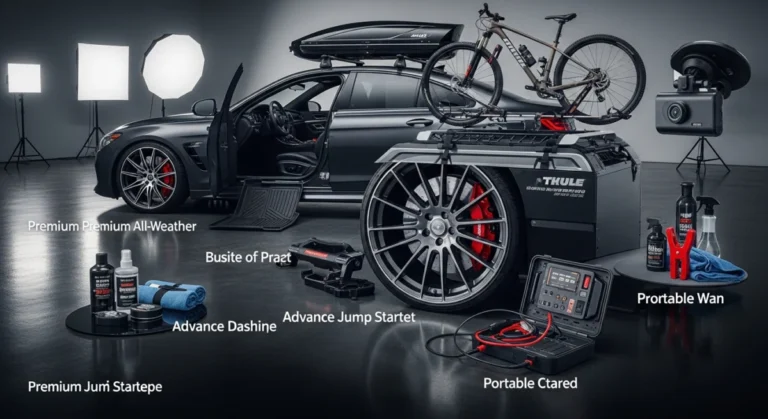
- Versatility: Many roof racks are compatible with other accessories, like cargo boxes, kayak carriers, and ski racks, making them a multi-purpose investment.
- Vehicle Protection: Properly installed, a bike roof rack prevents scratches and dents to your car’s interior from transporting your bike inside.
- Enhanced Safety: When properly secured, a bike on a roof rack is less likely to shift during travel than one crammed inside the car.
- Style and Aesthetics: Let’s face it, a bike on the roof just *looks* adventurous.
Key Features to Look For
- Material Quality: Look for durable materials like aluminum or high-strength steel for the frame and UV-resistant plastics for straps and clamps.
- Weight Capacity: Ensure the rack can handle the weight of your bike(s). Check the manufacturer’s specifications carefully.
- Locking Mechanisms: Security is paramount. Opt for racks with integrated locks for both the rack itself and the bike.
- Ease of Installation: Some racks are notoriously difficult to install. Read reviews and consider your mechanical aptitude before purchasing.
- Aerodynamic Design: A more aerodynamic rack will reduce wind noise and improve fuel efficiency.
- Adjustability: Look for a rack that can accommodate different bike frame sizes and styles.
- Compatibility: Always verify that the rack is compatible with your vehicle’s roof type and existing roof rails (if applicable).
Installation Tips for a Secure Ride
Proper installation is critical for safety and preventing damage to your vehicle or bike.
- Read the Instructions: This seems obvious, but carefully reading and understanding the manufacturer’s instructions is crucial.
- Gather Your Tools: Make sure you have all the necessary tools before you start. This might include wrenches, screwdrivers, and a torque wrench.
- Clean the Roof: Before installing the rack, clean your car’s roof to remove any dirt or debris that could interfere with the attachment.
- Tighten Properly: Use a torque wrench to tighten bolts to the specified torque. Over-tightening can damage the rack or your vehicle.
- Double-Check Everything: After installation, double-check all connections to ensure they are secure.
- Watch the Clearance: Be mindful of overhead clearances when driving with a bike on the roof. Bridges, parking garages, and drive-thrus can be a hazard.
- Test Drive: After installation, go for a short test drive at low speeds to ensure everything is secure.
Maintenance and Care for Longevity
Proper maintenance will extend the life of your bike roof rack and ensure its continued performance.
- Regular Cleaning: Wash the rack regularly with soap and water to remove dirt, grime, and road salt.
- Lubrication: Lubricate moving parts, such as locks and clamps, with a silicone-based lubricant to prevent corrosion and ensure smooth operation.
- Inspection: Regularly inspect the rack for signs of wear and tear, such as cracks, rust, or damaged straps.
- Storage: When not in use, store the rack in a dry, protected location to prevent corrosion and sun damage.
- Tighten Bolts Regularly: Periodically check and tighten all bolts to ensure they are secure. Vibration from driving can cause them to loosen over time.
- UV Protection: Consider using a UV protectant spray on plastic parts to prevent fading and cracking.
Top Buying Factors: Finding the Perfect Fit
Choosing the right bike roof rack involves considering several factors:
- Vehicle Compatibility: This is the most important factor. Ensure the rack is compatible with your vehicle’s roof type.
- Number of Bikes: Determine how many bikes you need to transport. Racks are available in single-bike and multi-bike configurations.
- Bike Type: Consider the type of bikes you’ll be transporting. Some racks are designed specifically for road bikes, mountain bikes, or e-bikes. E-bikes, in particular, are heavier and require a rack with a higher weight capacity.
- Budget: Bike roof racks range in price from a few hundred dollars to over a thousand. Set a budget before you start shopping.
- Ease of Use: Consider how easy the rack is to install, load, and unload.
- Security: Choose a rack with robust locking mechanisms to deter theft.
- Aerodynamics: If fuel efficiency is a concern, opt for a rack with an aerodynamic design.
- Brand Reputation: Research different brands and read reviews to get an idea of their quality and reliability. Thule, Yakima, and Kuat are all reputable brands.
- Warranty: A good warranty can provide peace of mind in case of defects or failures.
Essential FAQ: Your Burning Questions Answered
1. Q: Will a bike roof rack damage my car’s roof?
- A: If installed correctly and the weight limits are followed, a bike roof rack shouldn’t damage your car. However, improper installation or exceeding weight limits can cause scratches, dents, or even structural damage. Proper cleaning of the roof before installation is also critical.
2. Q: How much does a bike roof rack affect fuel efficiency?
- A: A bike roof rack can reduce fuel efficiency by 5-15%, depending on the rack’s design, the size and type of bikes being transported, and your driving speed. More aerodynamic racks and smaller bikes will have a smaller impact.
3. Q: Can I leave my bike roof rack on my car all the time?
- A: Yes, you can leave your bike roof rack on your car when not in use. However, leaving it on can reduce fuel efficiency and potentially increase wear and tear on the rack.
4. Q: Are bike roof racks universal?
- A: No, bike roof racks are not universal. They are designed to fit specific vehicle roof types. You need to choose a rack that is compatible with your car’s roof.
5. Q: How do I prevent my bike from being stolen from the roof rack?
- A: Choose a rack with integrated locking mechanisms that secure both the rack to the car and the bike to the rack. Consider using a cable lock for added security, especially when leaving your car unattended for extended periods.
Conclusion
Investing in a bike roof rack is more than just buying an accessory; it’s investing in your freedom and the ability to explore new cycling horizons. By understanding the different types of racks, key features, installation procedures, and maintenance requirements, you can choose the perfect rack for your needs and ensure years of safe and enjoyable bike transportation. So, gear up, hit the road, and let your bike roof rack be your trusted companion on your next adventure!